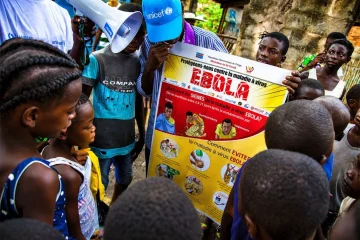
THE Ebola outbreak in eastern Democratic Republic of Congo is spreading at an unprecedented rate, producing the largest number of confirmed cases recorded in the first month of any recent African outbreak, United Nations humanitarian agencies said.
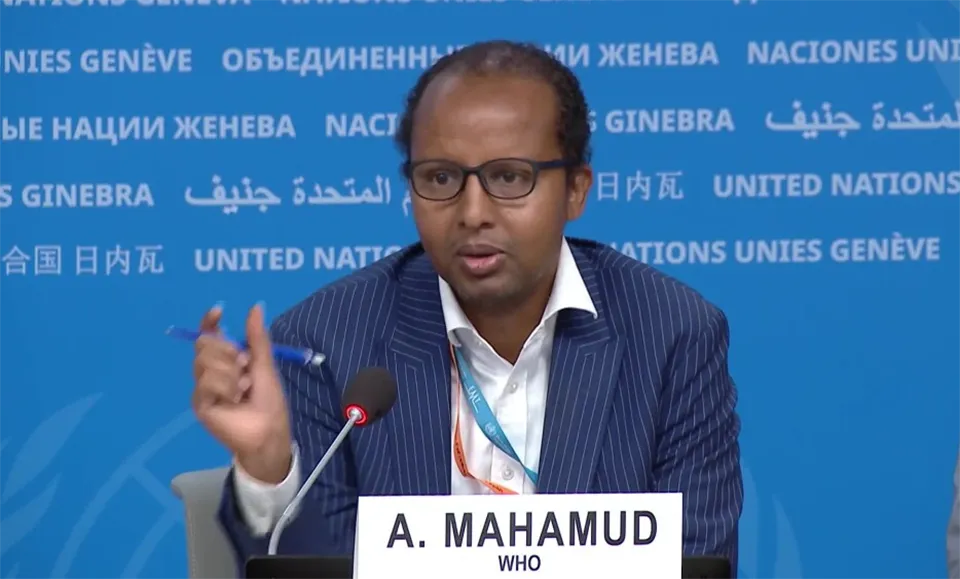
World Health Organization (WHO) emergency chief Dr Abdirahman Mahamud, who returned last week after a month in the DRC, said official figures show 1,048 confirmed cases and 267 deaths as of Monday. “This is the largest number of confirmed cases in the first month of an Ebola disease outbreak in Africa,” he said.
The outbreak, declared on 15 May and caused by the Bundibugyo species of Ebola virus, reached 250 deaths in just 37 days — far quicker than comparisons with prior crises. Dr Mahamud noted it took 78 days to reach the same toll in the 2014–2016 West Africa epidemic and 130 days in the 2018–2019 DRC outbreak.
UN agencies warned that the epidemic is inflicting hardship well beyond health facilities. Ugochi Daniels, Deputy Director General for Operations at the International Organization for Migration (IOM), said households and livelihoods are under severe strain. “Everyday life has become fraught with risk,” she said. “The journey to feed your family or earn a living can also become a journey into danger.”
Daniels said the outbreak is concentrated in border areas where people cross daily, complicating containment. IOM and partners have screened more than one million travellers at key entry points and mobility corridors since the response began. But she said the cross-border surveillance effort remains underfunded: of $55.8 million requested to support coordination and surveillance across 11 countries for six months, roughly $35 million is still outstanding. “What is needed … is a collective commitment to ensure that the effort is now fully resourced,” she said.
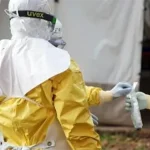
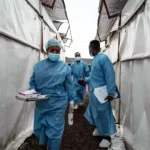
WHO reported a rapid scale-up of the clinical and laboratory response in recent weeks. Treatment capacity has risen from “a handful” to more than 500 beds across 19 health zones, Dr Mahamud said. Testing capacity in Kinshasa — which began at about 30 tests a day — has grown to more than 2,000 tests daily through a network of eight decentralized laboratories in Ituri, North Kivu and South Kivu.
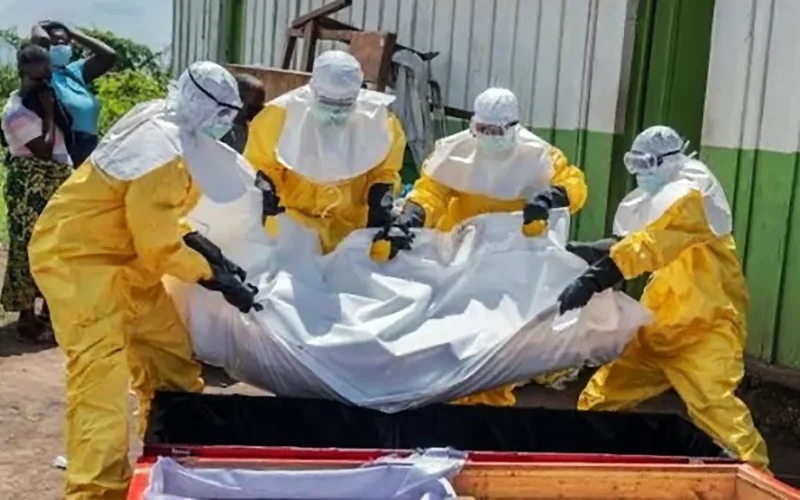
Humanitarian agencies also stressed community engagement and safe burials as critical and contested parts of the response. Paolo Cravero of the International Federation of Red Cross and Red Crescent Societies (IFRC) said teams are delivering burial kits and body bags into remote and insecure areas, but have faced violence and resistance. “We have seen violence against our volunteers at [safe and dignified burial] sites,” he said, pointing to a “lack of trust in the response” and the spread of rumours and misinformation that hinder containment.
The combined picture, UN officials said, is an outbreak moving faster than systems and communities can easily adapt to, with cross-border movements, insecurity and funding shortfalls all raising the risk of wider spread. Agencies called for urgent, sustained funding and intensified community outreach to slow transmission and protect fragile border populations.