AFRICAN MIRROR REPORTER
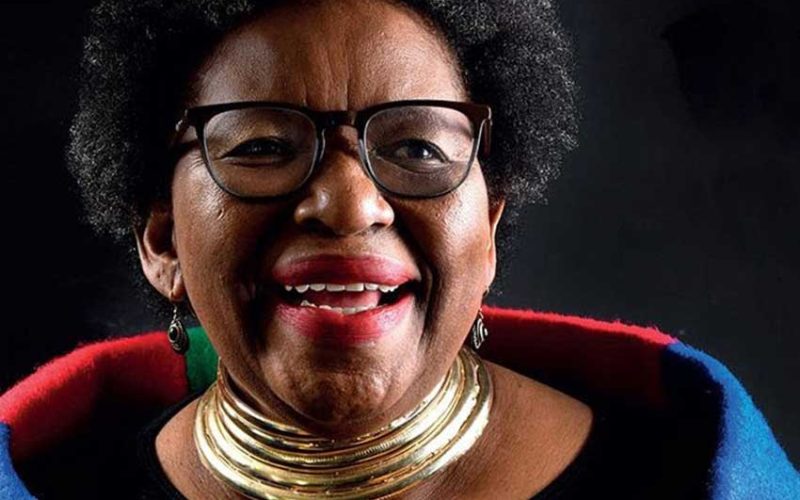
FOOD lovers in South Africa are mourning the death of Dorah Sitole, the iconic food writer, author and former magazine editor who broke many barriers to establish herself as a leading voice in the culinary world.
Sithole, 67, passed away on Sunday after a short illness.
Fans and friends of Sitole took to social media to pay warm tributes to Sitole who recently celebrated 40 years in the industry with the launch of her third book.
Part of Sitole’s immense influence has resided in her ability to take food and meals enjoyed by working and middle-class Black households, and elevate and celebrate it by showcasing it on the various platforms available to her. For many Black people, it was an affirmation that what they loved and/or what they could afford to eat was worthy of showcasing, too. That it was good, just like the cuisines and meals of other countries and communities that are elevated in food culture.
This was particularly important during apartheid and the early days of democracy, when Black people weren’t considered a community worthy of being catered for. “When people spoke of South African food, it was never really food eaten in Black or township homes. We would hear about bobotie, melktert and koeksisters, but there was never any morogo or amabele,” she said in one of her last interviews, referring to the curried mince dish, milk tart and sugary plaits that were given preference over wild spinach and sorghum. “So I think my greatest impact was during my years at True Love, where I was able to work with brands such as Tastic, Rainbow Chicken, Snowflake and Woolworths who for many years didn’t really speak to Black people.”
In many ways, Sitole was the original food influencer. It is an industry that has grown in leaps and bounds since she started doing twice-a-week demo classes as True Love magazine’s food editor.
Her last book, the third book for the acclaimed author, told the story of her life through food.
“When I was growing up, we were always hungry. There was just no food. I also don’t know if I was just born with a genetic love for food, but I really love food. I look at my grandchildren and they can eat whatever they want, whereas I never had that for the first two decades of my life. Even after I finished school and left Nigel, where my grandparents lived, to move to Dube in Soweto with my mother, there was still no food,” she says.
“In Nigel, we were really just scraping, aside from a small vegetable patch that my aunt had, which meant we could have spinach in the summer. In Dube, while we could buy bread and milk, my mother was still the sole provider and so she didn’t have much money. So what money there was had to stretch, and that’s why on Tuesday, Wednesday and Thursday we would have pap and the mixed legume stew that’s in my book. We didn’t have plenty of food, but there was something to eat. So when I started earning my own money, I started working at round 18, I began experimenting with different recipes and I started cooking more, which made me fall in love with food because finally I could eat whatever I wanted.”