
IN a groundbreaking move to combat a silent epidemic killing hundreds of thousands of Africans annually, the continent has launched its first-ever coordinated response to substandard and falsified medical products that claim up to 267,000 lives each year.
The African Union Development Agency-NEPAD officially launched the African Working Group on Substandard and Falsified Medical Products (SFMP), following a three-day summit in Addis Ababa that brought together health regulators, policymakers, and experts from across the continent.
The milestone represents Africa’s most significant step yet in addressing a crisis that has undermined healthcare systems and cost the continent over $200 million annually in diverted resources.
“I am deeply honoured to serve this committee and the continent in leading our collective response to the threat of substandard and falsified medical products,” said Dr. Bitrus Dasniyam Fraden of Nigeria, who was elected as the working group’s inaugural chair. “This is not a fight for regulators alone; it requires all of us.”
Dr. Fraden emphasised the critical importance of advocacy and strategic communication in the battle against fake medicines, stating that “every stakeholder has a vital role to play in safeguarding the health of our people.”
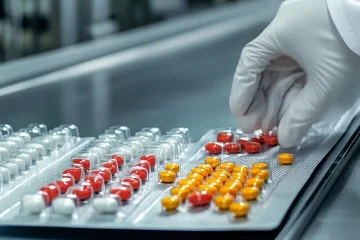
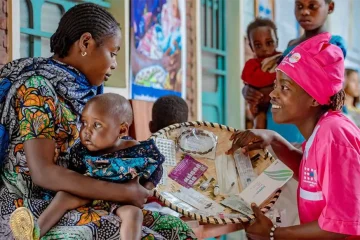
The gravity of the crisis cannot be overstated. According to the World Health Organisation, one in 10 medical products in low- and middle-income countries is either substandard or falsified. In Africa, these dangerous products – ranging from counterfeit medicines and ineffective vaccines to faulty diagnostics and medical devices – are responsible for deaths primarily from malaria, pneumonia, and other treatable conditions.
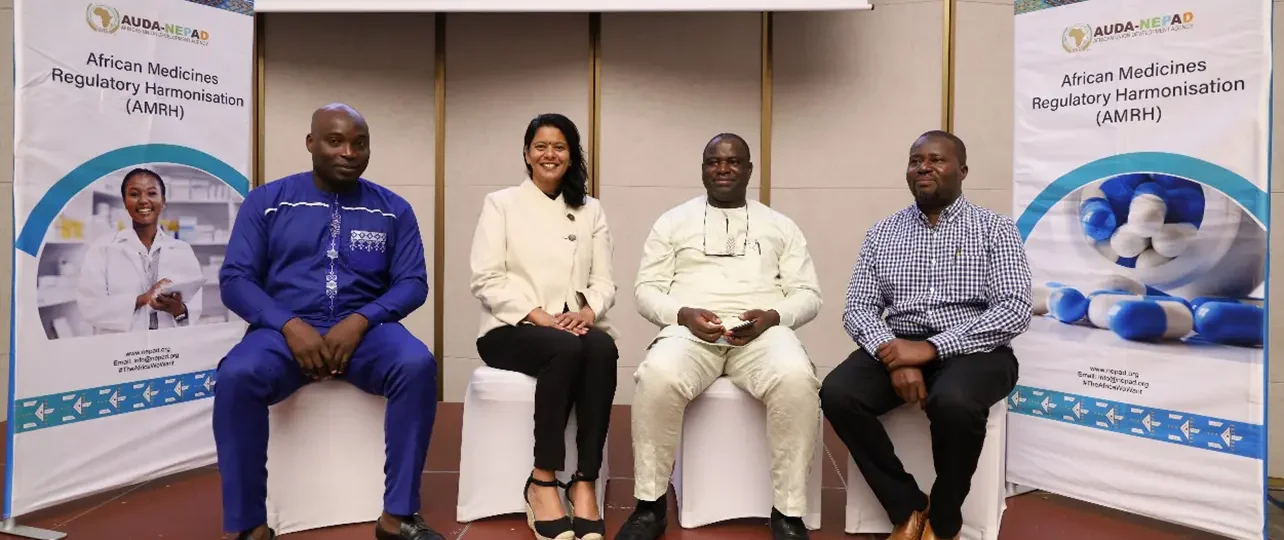
“This Working Group represents a bold step forward in Africa’s collective health security,” declared Chimwemwe Chamdimba, Head of the African Medicines Regulatory Harmonisation programme at AUDA-NEPAD. “For too long, the threat of substandard and falsified medical products has undermined the integrity of our health systems. Today, we affirm our shared responsibility to build resilient regulatory frameworks that protect every African life because quality medical products are not optional, they are essential.”
The newly formed working group elected a distinguished leadership team during the inaugural meeting:
- Chair: Dr. Bitrus Dasniyam Fraden (Nigeria)
- Vice Chair: Prof. Neelaveni Padayachee (South Africa)
- Rapporteur: Dr. Solim Aleka (Togo)
- Rapporteur: Dr. Evans Sagwa (Kenya)
This leadership team brings extensive expertise in health regulation, pharmaceutical governance, and laboratory systems to spearhead what officials are calling a “historic milestone” in Africa’s commitment to public health security.
The working group’s formation follows the adoption of the AU Declaration on the Fight Against SFMP by African Union Ministers of Health in August 2024, which acknowledged the scale of the crisis and called for urgent, coordinated action.
The Continental Plan to Combat Substandard and Falsified Medical Products – the first of its kind for Africa – was developed through extensive consultation with AU institutions, member states, national regulatory authorities, customs agencies, and global partners, including the WHO and UNODC.
The plan serves as a critical tool to operationalise the goals of Agenda 2063, Africa’s blueprint for inclusive growth and sustainable development, while complementing existing continental strategies such as the Pharmaceutical Manufacturing Plan for Africa and the Africa Health Strategy.
The crisis affects every level of society, from patients and healthcare workers to supply chains and national economies. The economic impact is equally devastating, with falsified medicines diverting critical resources away from already strained health systems across the continent.
Previously, responses to this threat have been fragmented and reactive. The new working group aims to provide the central coordination mechanism needed to guide and monitor the implementation of harmonised, cross-sectoral action and greater accountability across the pharmaceutical supply chain.
The three-day meeting in Addis Ababa marks the beginning of what health officials hope will be a transformative period in Africa’s fight against a threat that has operated in the shadows for too long, claiming lives that could have been saved with genuine, quality medical products.
As the continent moves forward with this unprecedented initiative, the focus remains clear: protecting African lives through coordinated action against an enemy that has exploited vulnerable health systems for far too long.