Our website use cookies to improve and personalize your experience and to display advertisements (if any). Our website may also include cookies from third parties like Google Adsense, Google Analytics, and Youtube. By using the website, you consent to the use of cookies.

Zimbabwe’s education law now does more for children, but there are still gaps

Zimbabwe’s education law now does more for children, but there are still gaps

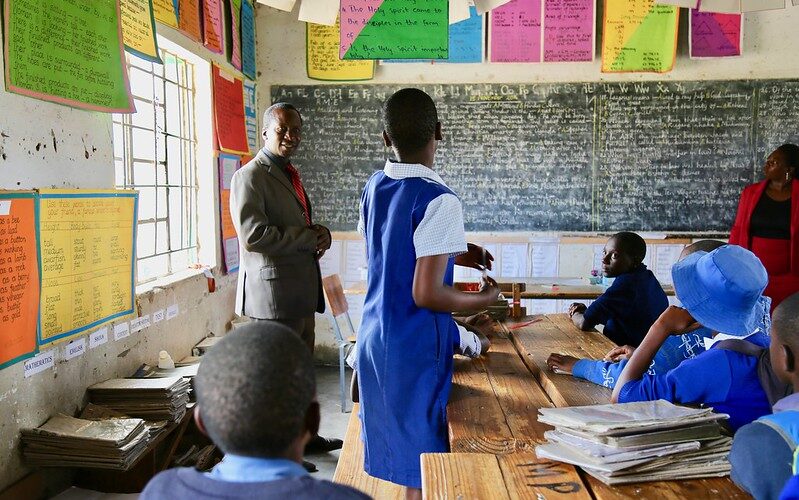
RONGEDZAYI FAMBASAYI, Doctoral Researcher: Faculty of Law, North-West University ZIMBABWE recently adopted the Education Amendment Act, 2020, to align its Education Act with the country’s Constitution. The amendment is a result of consultations about how every child could realise the right to free basic education. The Act has fairly extensive provisions to protect, respect and fulfil the right to education for all children. It addresses issues pertinent to education, including the prohibition of expelling pregnant girls from school, free and compulsory education, sexual and reproductive health issues, and the rights of learners with disabilities. As a researcher focused on children’s…
Read More
Nigerian charity tries to salvage a slum’s schooling amid pandemic

Nigerian charity tries to salvage a slum’s schooling amid pandemic

ANGELA UKOMADU and NNEKA CHILE OUTSIDE her home in the Lagos slum of Makoko, Esther Ikechukwu stacks two upturned buckets, places a handbag on top and rests a tablet against it. Her balancing act finished, the desk and the 17-year-old are ready for school. The coronavirus pandemic shut Nigeria's schools in March. Already with more children out of education than any other country, 13 million according to the United Nations, the virus threatens even more futures. Most at risk are those like Esther, growing up in Nigeria's slums with few social safety nets. Authorities say schools could soon begin a…
Read More
Password education should be age-appropriate: here’s how

Password education should be age-appropriate: here’s how

KAREN RENAUD, Visiting Professor of Cybersecurity, Rhodes University SUZANNE PRIOR, Lecturer in Computing, Abertay University CHILDREN are increasingly being exposed to, and using, technology from a very young age. This has never been more true than in 2020 when the vast majority of children worldwide have used online resources to access educational resources and communicate with family and friends during the COVID-19 pandemic. Many of the resources and websites used, along with the devices they are accessed on, require the use of a password to authenticate the user. However, young children don’t necessarily have the skills and knowledge required to…
Read More
Online and in the classroom, COVID-19 has put new demands on teachers

Online and in the classroom, COVID-19 has put new demands on teachers

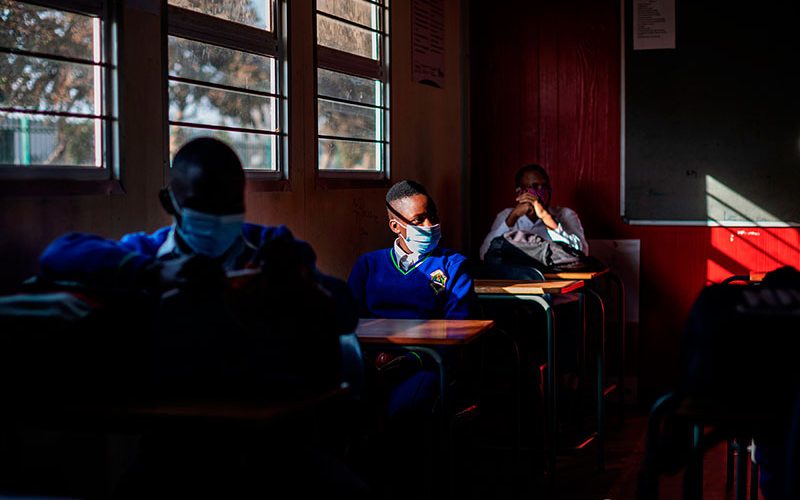
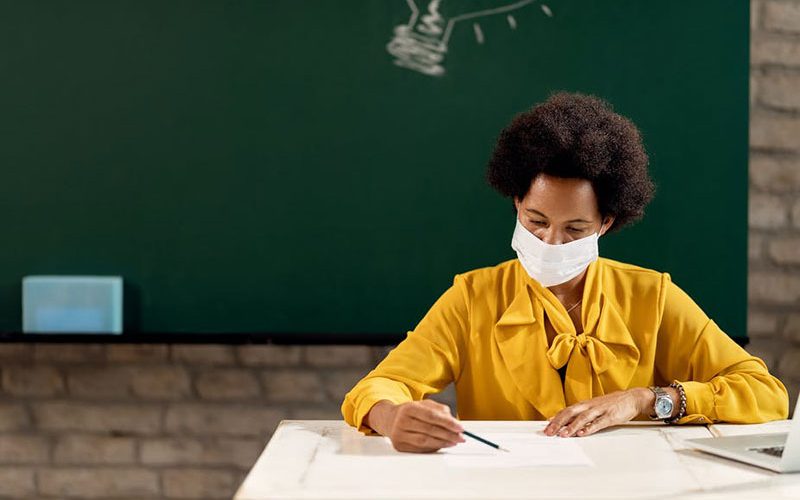
NHLANHLA MPOFU, Associate Professor, Rhodes University AS a result of the COVID-19 pandemic, schools were on lockdown in South Africa from March 2020. They only partially reopened in June, despite teacher unions’ concerns about the timing and lack of adequate protection for teachers and learners. The unions’ objections about having to work in conditions that posed a risk to health were understandable. But they have been less vocal about the teachers’ need to be equipped with the skills and infrastructure to teach during a pandemic. The unpredictability of the pandemic and the restrictions on social interaction remain in place. No…
Read More
Historic first as Unisa appoints black female vice-chancellor

Historic first as Unisa appoints black female vice-chancellor

AFRICAN MIRROR REPORTER THE University of South Africa (Unisa) - one of Africa’s biggest tertiary education institutions - has appointed its first female vice chancellor and principal in 148 years. Professor Puleng LenkaBula has been appointed to succeed Professor Mandla Makhanya from January 2021. Unisa announced that the decision to appoint LenkaBula was unanimous and followed a rigorous selection process. The institution said LenkaBula’s appointment was testimony to the transformation project it introduced and drove relentlessly in the university over the years. The appointment also ensured that  Unisa’s workforce was alive to and reflective of the demographics of South Africa…
Read More
Paying commission to academics reduces the value of research

Paying commission to academics reduces the value of research

MANY universities around the world pay academics to publish their research. Our recent study in South Africa, though, suggests they should be cautious of such practices. SIOUX MCKENNA, Director of Centre for Postgraduate Studies, Rhodes University DR EVELYN MUTHAMA, Postdoctoral Fellow, Rhodes University The country’s Department of Higher Education and Training funds public universities for every article published in academic journals on any of six accredited lists. The lists include journals that meet various quality indicators such as peer review. The idea is that funding will drive the country’s participation in the knowledge economy through its contribution to research. Universities…
Read More
We asked university students to tell their own stories in photos: here’s why

We asked university students to tell their own stories in photos: here’s why

MIKATEKO MATHEBULA, Senior Researcher at the SARCHI Chair's Higher Education and Human Development Research Programme, University of the Free State IN South Africa, university students who come from low-income households in rural areas are at a disadvantage. Having generally attended poorly resourced schools, they’re not well resourced or prepared to participate in the processes of making and sharing knowledge at tertiary education level. When they enter universities, they tend to have lower English language proficiency than middle class, urban students. They also tend to be less comfortable using the modes of expression that dominate South African universities. They may find…
Read More
More children in Zimbabwe are working to survive: what’s needed

More children in Zimbabwe are working to survive: what’s needed

THE ability of Zimbabwean families to take care of children has been compromised by a collapsing economy, compounded by COVID-19. About 4.3 million people in rural communities, including children, are food insecure this year. The World Food Programme indicates that at least 60% of the population of Zimbabwe need food aid. DR GETRUDE DADIRAI GWENZI, Early Career Researcher in the Sociology of Child Welfare in Africa, Lingnan University The Vendors Initiative for Social and Economic Transformation in Zimbabwe has estimated that over 20,000 children have turned to vending as a means of survival since the COVID-19 lockdown. According to reports,…
Read More
Spurred by COVID-19, African schools innovate to close learning gap

Spurred by COVID-19, African schools innovate to close learning gap

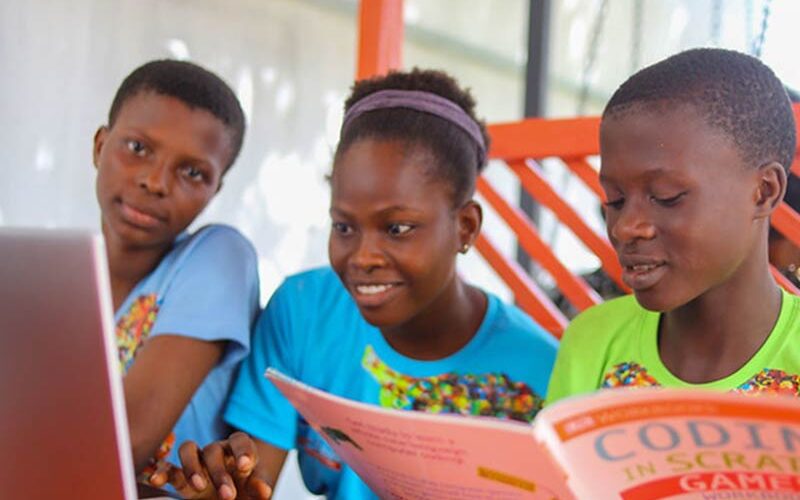
NELLIE PEYTON and KIM HARRISBERG IN rural Sierra Leone, teenagers tuned into solar-powered radios for their lessons, while Kenyan students texted a code to receive free learning guides on their phones. As COVID-19 shut Africa's schools, governments and charities rushed to make learning accessible to millions of pupils without internet or even electricity, sparking innovations that could keep children learning long after the pandemic has passed. "The situation... pushed all the governments and education ministries to think in a different way," said Elena Locatelli, an advisor on education in emergencies at the U.N. children's agency UNICEF. In a matter of…
Read More
Tanzanian ban on pregnant school girls challenged in African court

Tanzanian ban on pregnant school girls challenged in African court

NITA BHALLA A Tanzanian law that bans pregnant girls and teenage mothers from attending school is being challenged in Africa's top rights court by an international women's charity, which said the "discriminatory" rule trapped girls in poverty. Equality Now said it had filed a joint petition with a local partner at the African Court on Human and Peoples' Rights against the Tanzanian government on Thursday after years of campaigning unsuccessfully for the ban to be lifted. "We have advocated for more than three years for the government of Tanzania to lift the ban on pregnant girls and adolescent mothers accessing…
Read More