Our website use cookies to improve and personalize your experience and to display advertisements (if any). Our website may also include cookies from third parties like Google Adsense, Google Analytics, and Youtube. By using the website, you consent to the use of cookies.

Gambian editor arrested and charged after photographing defendants outside court

Gambian editor arrested and charged after photographing defendants outside court

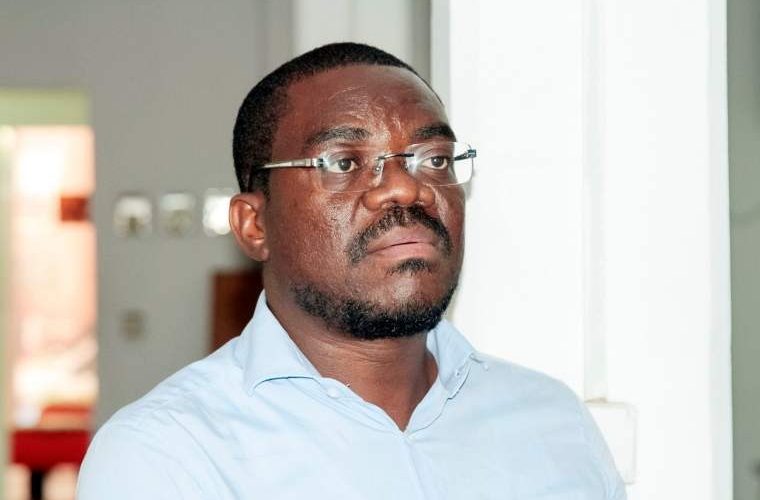
A Gambian journalist faces up to a year in prison after he was arrested at the Banjul Magistrates Court on 11 March for photographing two defendants as they exited the building — a routine act of newsgathering that press freedom organisations say falls entirely within the law. Momodou Justice Darboe, editor of the online publication Jollof News Online, had attended the court to cover a hearing involving two Austrian nationals charged with disobeying lawful orders. After the session concluded, Darboe photographed the accused as they left the courtroom. He was then attacked from behind, he told the Gambia Press Union…
Read More
African media councils adopt Lusaka Declaration to bolster self-regulation amid digital threats

African media councils adopt Lusaka Declaration to bolster self-regulation amid digital threats

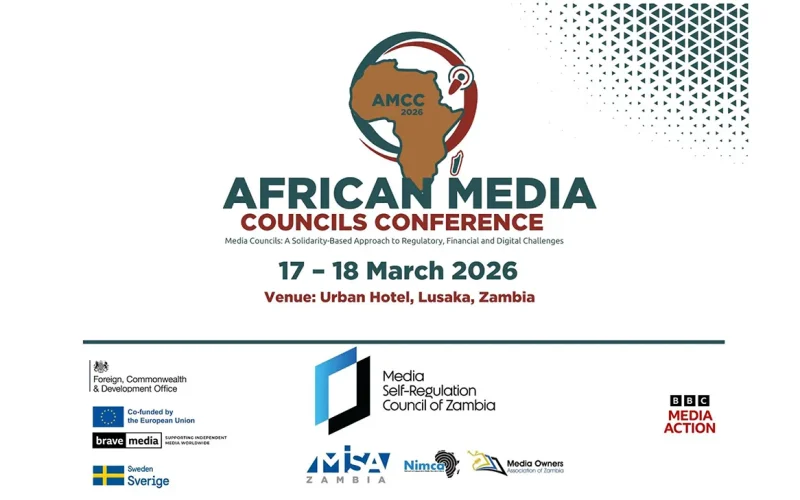
REPRESENTATIVES from African media councils, self-regulatory bodies, journalists, civil society, academia, and international partners adopted the Lusaka Declaration on 18 March 2026, calling for strengthened media self-regulation, platform accountability, and defences against disinformation and AI-driven risks. The two-day African Media Councils Conference, hosted by the Media Self-Regulation Council of Zambia (MSCZ) on 17-18 March, drew on foundational documents like the African Charter on Human and Peoples’ Rights, Windhoek+30, and the 2025 Arusha NIMCA Summit. Participants highlighted a shifting media landscape dominated by digital platforms, AI, and cross-border information flows, amid rising threats including political pressure, economic woes, journalist attacks, and…
Read More
Gambia’s former Press Union leaders warn new media laws echo Jammeh-era controls

Gambia’s former Press Union leaders warn new media laws echo Jammeh-era controls

Five former presidents of the Gambia Press Union (GPU) have issued an extraordinary joint declaration condemning proposed media regulations they say would reintroduce state control over journalism through bureaucratic mechanisms, a warning that carries singular weight given that several signatories lived through the assassinations, exiles, and imprisonments of the Yahya Jammeh years. The statement, released Monday, takes direct aim at the draft National Press Accreditation Policy and the Broadcasting and Online Content Regulations 2025, characterising both instruments as an attempt to restore permission-based journalism — the defining feature of media life under the dictatorship that ended in 2017. "History teaches…
Read More
Shot, detained, silenced: Somalia’s war on journalists deepens as Africa’s press freedom crisis widens

Shot, detained, silenced: Somalia’s war on journalists deepens as Africa’s press freedom crisis widens

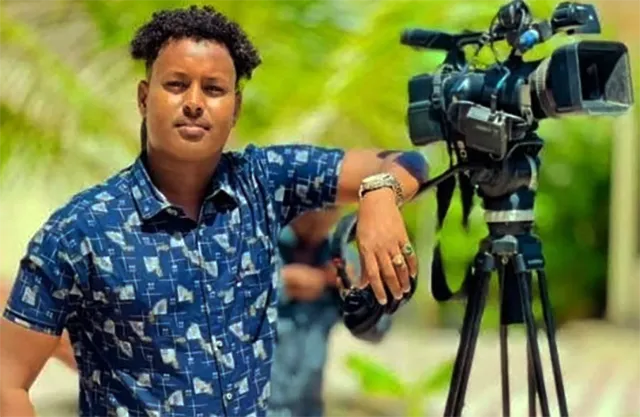
ON a night in early March, freelance journalist Abshir Khalif Shide Omar was returning from an Iftar gathering with colleagues in Kismayo, having just finished editing a programme about politicians scheduled for broadcast that same evening. He never made it home. A police officer shot him dead following a brief altercation in the commercial capital of the autonomous Jubbaland region, some 528 kilometres south of Mogadishu — making him the first journalist killed in Somalia in 2026. His death is not an aberration. It is the continuation of a documented pattern. The Somali Journalists Syndicate (SJS), releasing its annual State…
Read More
A women-led media co is challenging norms in Senegal

A women-led media co is challenging norms in Senegal

IN Dakar, Senegal, journalist and women's rights advocate Alice Djiba has made it her mission to shake up the status quo in the country's media landscape. For a long time, she was disturbed by something she noticed: in the press, women do not often appear in positions of agency and autonomy; women are not well-represented in the media, in regards to the content and in media workspaces; women do not have large media platforms where they can make their voices known; television programs and stations are dominated by men. Despite financial obstacles and social barriers, Djiba decided to create the…
Read More
Kenya’s journalists under legal siege as press freedom erodes, new report warns

Kenya’s journalists under legal siege as press freedom erodes, new report warns

NAIROBI — More than four in ten journalists and media organisations in Kenya have faced legal threats in response to their reporting, including arrest, costly litigation and the forced shutdown of online platforms, according to a landmark report that lays bare the systematic use of the law to silence the press in one of Africa's most prominent democracies. The report, Weaponising the Law: Press Freedom in Kenya, published by the Thomson Reuters Foundation in partnership with ALT Advisory and Power Law Africa, identifies six primary categories of legal threat confronting Kenyan media: abuse of court processes, regressive legislation, weak enforcement…
Read More
Released But Not Free: Journalists fear police mined their devices after Cameroon detention

Released But Not Free: Journalists fear police mined their devices after Cameroon detention

FOUR journalists detained and threatened by Cameroonian judicial police last week walked free after five hours in custody - but without their phones, cameras, or laptops. Days later, their equipment was returned but fear on what was being done with those devices when they were in the hands of the police is generating serious alarm across newsrooms and press freedom organisations. The journalists - AP reporters Nalova Akua, Angel Ngwe, and Arnold Ndal, along with freelance reporter Randy Joe Sa'ah - were seized on February 17 in Yaoundé after reporting on covert U.S. deportation flights that had brought African migrants…
Read More
Spyware attack on Angolan journalist exposes deepening threat to press freedom

Spyware attack on Angolan journalist exposes deepening threat to press freedom

AN Angolan journalist and lawyer was infected with powerful commercial spyware on World Press Freedom Day last year, in what the Committee to Protect Journalists says is the first publicly documented case of spyware targeting in the country — a disturbing signal of how surveillance technology is being deployed to silence the press ahead of elections. Teixeira Cândido, a prominent radio host and former union leader known for his criticism of Angola's government, had his phone compromised with Predator spyware after clicking a malicious WhatsApp link on May 3, 2024, according to CPJ, citing forensic findings by Amnesty International's Security…
Read More
Ethiopia revokes Reuters credentials in latest crackdown on media freedom

Ethiopia revokes Reuters credentials in latest crackdown on media freedom

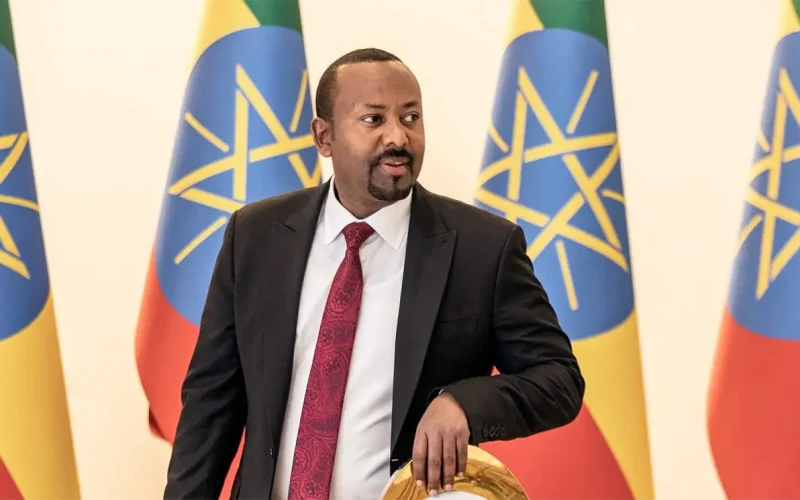
ETHIOPIAN authorities have stripped three Reuters journalists of their press credentials following an investigative report alleging the country is secretly training fighters for Sudan's civil war, marking the latest assault on media freedom in Ethiopia and across Africa. The Ethiopian Media Authority declined to renew the journalists' accreditation on February 14 and revoked Reuters' credentials to cover the African Union summit in Addis Ababa, according to the Committee to Protect Journalists. The regulatory action came four days after Reuters published an investigation from Nairobi, London, and Cairo reporting that Ethiopia was hosting a secret camp, financed by the United Arab…
Read More
Media freedom collapses across the Sahel as juntas tighten grip on independent press

Media freedom collapses across the Sahel as juntas tighten grip on independent press

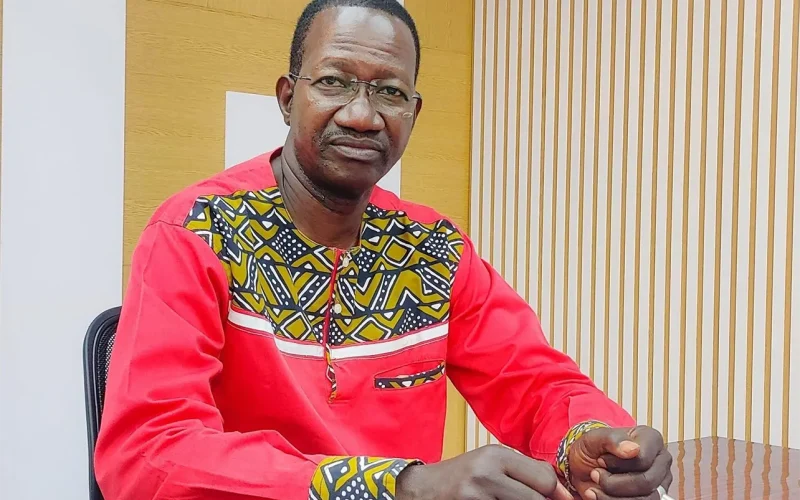
THE February 5 arrest of prominent Malian journalist Youssouf Sissoko marks the latest escalation in a systematic assault on press freedom across the Sahel, where military juntas are weaponising vaguely worded legislation to criminalise independent reporting and crush dissent. Police detained Sissoko, editor-in-chief of the weekly newspaper L'Alternance, at his Bamako residence following publication of an article that scrutinised statements by Niger's military ruler, Gen. Abdourahamane Tiani. The piece challenged Tiani's unsubstantiated allegations - made after a late-January Islamic State attack on Niamey's international airport - that France, Côte d'Ivoire, and Benin were complicit in the assault. Charged with spreading…
Read More