Our website use cookies to improve and personalize your experience and to display advertisements (if any). Our website may also include cookies from third parties like Google Adsense, Google Analytics, and Youtube. By using the website, you consent to the use of cookies.

Uganda’s electricity distribution is changing hands – what’s at stake

Uganda’s electricity distribution is changing hands – what’s at stake

UGANDA’S electricity sector is at a turning point, as Umeme Limited’s 20-year concession draws to a close. Umeme was the first private distribution operator in Anglophone Africa. For nearly two decades, the listed company was the dominant distributor of electricity to the country’s 2.3 million clients. However, Uganda decided in 2022 not to renew the licence on expiry, citing high power tariffs and low electricity access rates. Umeme’s departure and the transfer of distribution assets back to the state-owned Uganda Electricity Distribution Company (UEDCL) has sparked controversy. It centres on a US$235 million compensation claim by Umeme. The final settlement…
Read More
“I am going to Saudi Arabia, or my grave”: The exodus of Ethiopia’s frustrated youth

“I am going to Saudi Arabia, or my grave”: The exodus of Ethiopia’s frustrated youth

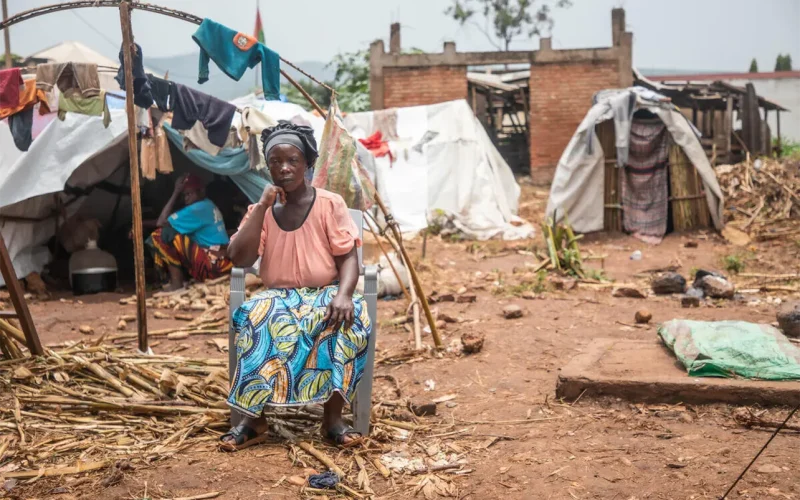
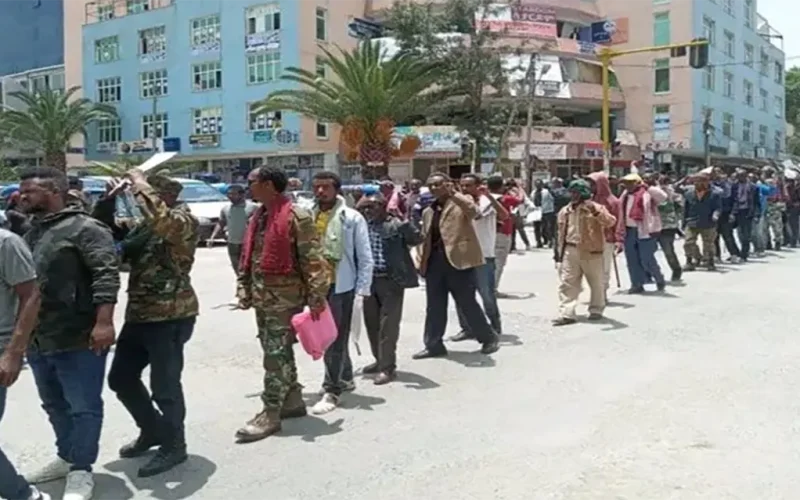
This story was originally published by The New Humanitarian. IN late 2014, something strange, anarchic and powerful began to stir in Oromia, Ethiopia’s largest and most populous region. It was a protest movement, which over the next four years would bring wave after wave of defiant young men into the streets. The protesters called themselves Qeerroo, an Oromo word traditionally used to describe a young, unmarried man. The term soon came to epitomise the frustrated ambitions of an entire generation of Oromos, as well as their increasingly assertive demands for change. The Qeerroo movement was an expression of youthful anger:…
Read More
West Africa’s bold trade experiment turns 50: an ECOWAS report card

West Africa’s bold trade experiment turns 50: an ECOWAS report card

THE Economic Community of West African States (ECOWAS) is set to mark 50 years in May 2025. It was established in 1975 by 16 member states. Though seven of the founding leaders had ascended to power through coups d’état, the initial focus was economic growth and regional trade and cooperation. Within three years, however, its mandates were expanded to encompass political, security and other objectives. These additions were necessary as the West African post-independence governments sought to respond to shifting socio-economic and security challenges. These included coup d’états in Niger, Nigeria, Ghana and Mauritania. There were also other threats to…
Read More
To truly understand Pope Francis’ theology – and impact – you need to look to his life in Buenos Aires

To truly understand Pope Francis’ theology – and impact – you need to look to his life in Buenos Aires

POPE Francis’ journey from the streets of Flores, a neighbourhood in Buenos Aires, Argentina, to the Vatican is a remarkable tale. Born in 1936, Jorge Bergoglio was raised in a middle-class family of Italian Catholic immigrants. Bergoglio defied his mother’s wish for him to become a medical doctor and chose instead to pursue the priesthood, a calling he felt during confession. The young man joined the Jesuits in the 1950s, attracted to the order’s vow of poverty and its ethos of serving others and living simply. He became a priest in 1969, Archbishop of Buenos Aires in 1998, and took…
Read More
Political rivalry reshapes DRC’s future: the Tshisekedi-Kabila saga continues

Political rivalry reshapes DRC’s future: the Tshisekedi-Kabila saga continues

A Dynasty of Division: The Inherited Rivalry THE 2025 crisis in the Democratic Republic of Congo represents the latest chapter in a political rivalry that spans generations. The tension between Félix Tshisekedi and Joseph Kabila is not merely a contemporary political contest but an inheritance of their fathers' complicated relationship. Étienne Tshisekedi, a longtime opposition leader, stood against Mobutu Sese Seko and later Laurent-Désiré Kabila, who seized power in 1997 after overthrowing Mobutu. When Laurent-Désiré Kabila was assassinated in 2001, his son Joseph inherited power at just 29 years old, establishing the first political dynasty in the DRC's post-independence era.…
Read More
Fulani: new study unravels the genetic history of Africa’s largest pastoralist community

Fulani: new study unravels the genetic history of Africa’s largest pastoralist community

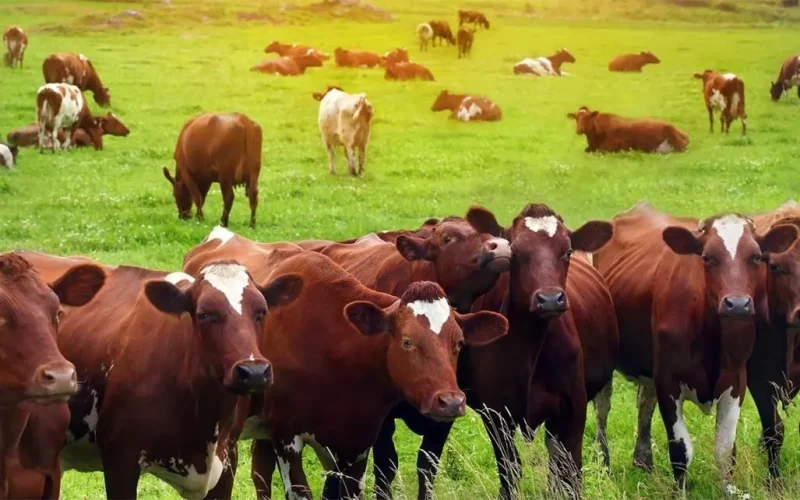
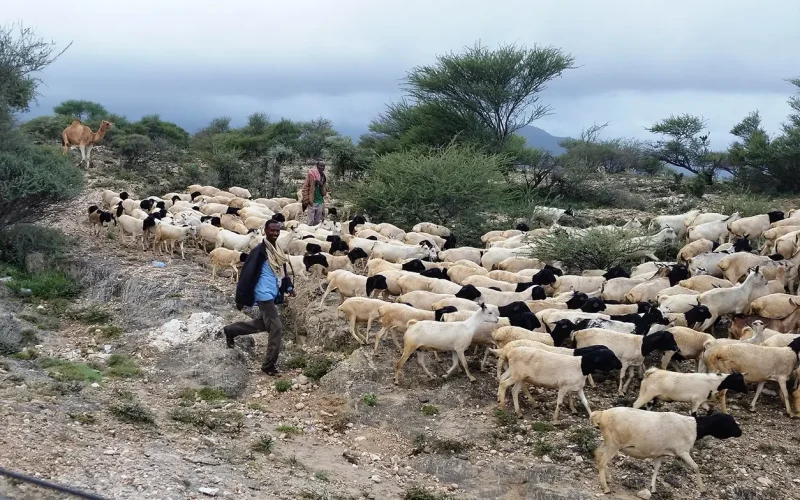
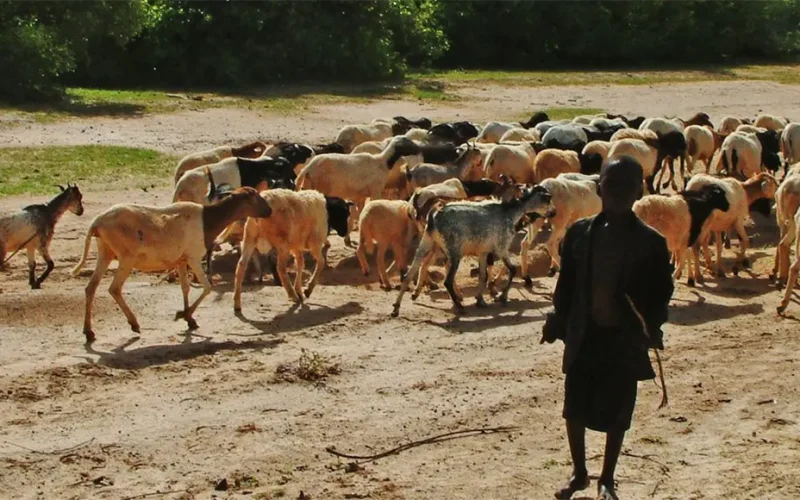
THE Fulani people are Africa’s largest pastoralist group. There are between 25 million and 40 million Fulani people across 17 African countries, from the Atlantic shores of Senegal and Mauritania to Sudan. The Fulani have long intrigued social anthropologists with their complex cultural heritage. They raise mainly cattle, goats and sheep in the vast, arid Sahel region. Some are nomadic but many have adopted a sedentary lifestyle. In the wide geographical belt where they live, they speak 11 dialects. The Fulani’s origins and migratory patterns have been subjects of scientific debates. Certain physical characteristics are similar to those commonly observed…
Read More
Wild meat is eaten by millions, but puts billions at risk – how to manage the trade

Wild meat is eaten by millions, but puts billions at risk – how to manage the trade

ONE of the most pressing issues of our time is the wild meat trade. Why? Because it’s consumed by millions and puts billions at risk from emerging diseases. It provides food and income for some of the poorest and most remote communities in Africa and Asia, yet over-exploitation makes ecosystems unstable and threatens the destruction of endangered species. In Africa, wild meat hunting is driven mostly by protein and meat scarcity (“the poor man’s meat”). In some regions, like East and Southeast Asia, it can be found in restaurants, offered as high-priced exotic delicacies (“the rich man’s status”). But consuming…
Read More
Africa’s refugee camps are plagued by flooding: we looked into drainage systems that can withstand local conditions

Africa’s refugee camps are plagued by flooding: we looked into drainage systems that can withstand local conditions

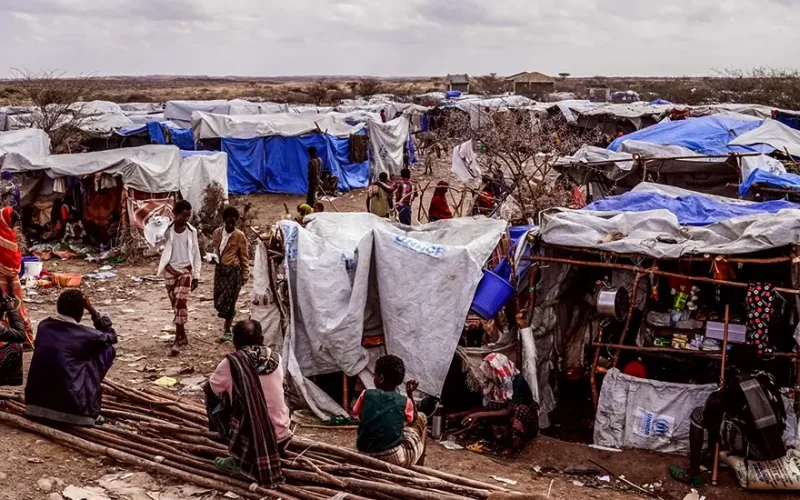
ALMOST one million people live in 24 camps for refugees and internally displaced people in Ethiopia. They have fled wars and massacres in South Sudan and Somalia and forced conscription and government oppression in Eritrea. Life in these camps is difficult. One of the challenges is drainage. The region experiences very intense, short storms. The camps don’t have proper water drainage systems, which means the stormwater causes flash flooding and mudslides. This results in: contaminated water flooding out of latrines, waste disposal sites and other unsanitary areas damage to clean water points, toilets and sewage disposal systems mosquitoes that breed…
Read More
South Africa as G20 leader can take action on Africa’s food supply: 4 ways to make a difference

South Africa as G20 leader can take action on Africa’s food supply: 4 ways to make a difference

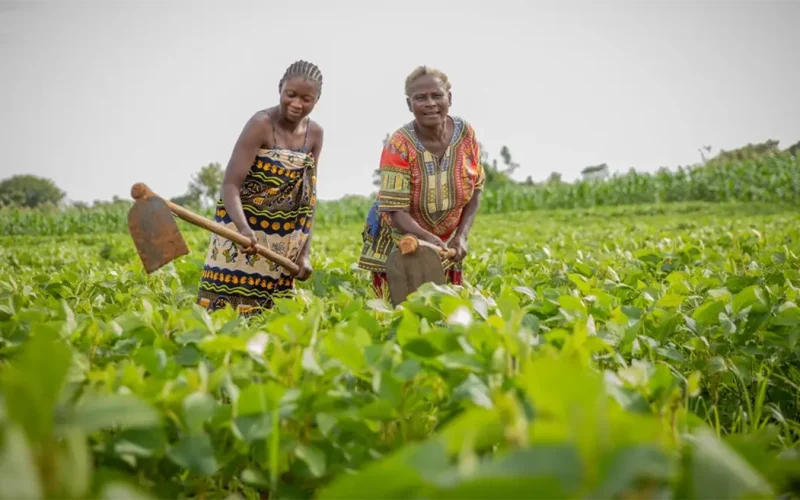
SOUTH Africa, the only African country that is a member of the G20, holds the presidency of the grouping until the end of November 2025. During this time, it could help drive the African continent’s food security agenda. The G20 is made up of 19 member countries plus the European Union and the African Union. Its members account for 85% of global GDP, 75% of international trade, and two-thirds of the world’s population. The presidency of the G20 rotates annually among member countries and is run as a troika made up of the past, present and next holder of the…
Read More