Our website use cookies to improve and personalize your experience and to display advertisements (if any). Our website may also include cookies from third parties like Google Adsense, Google Analytics, and Youtube. By using the website, you consent to the use of cookies.

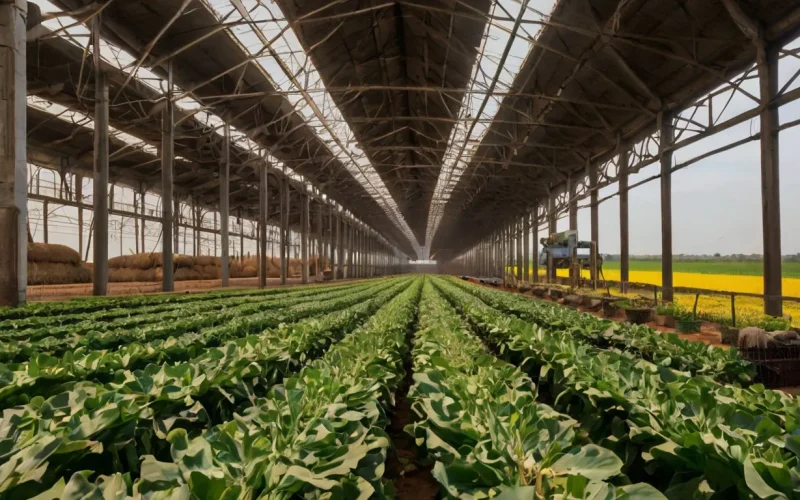
Investing in agriculture reduces poverty and inequality: economic model finds the best funding mix for 10 African countries

Investing in agriculture reduces poverty and inequality: economic model finds the best funding mix for 10 African countries

AFRICA faces challenges in reducing extreme poverty and inequality. In 2024, 8.5% of the global population was living in extreme poverty (that is, on less than US$2.15 a day). Nearly 67% of these people were living in sub-Saharan Africa. To tackle these significant issues of poverty and inequality, it is essential to identify the locations of the most impoverished individuals. This enables investments to focus on generating growth and productivity that are both inclusive of poor people and sustainable. About 70% of the poor in sub-Saharan Africa live in rural areas. Most (65% to 70%) are employed in agriculture. Agriculture…
Read More
Reform or retreat? The Catholic church in Africa after Pope Francis

Reform or retreat? The Catholic church in Africa after Pope Francis

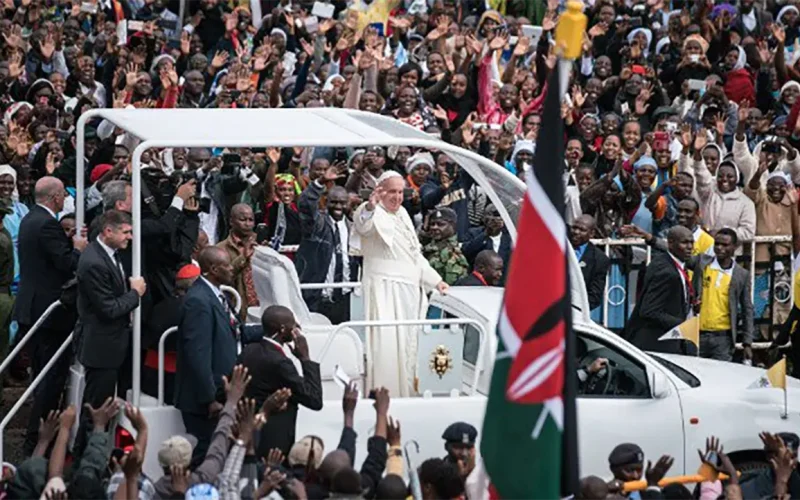
THE Catholic church faces a fundamental question as it prepares to elect a new pope. That is, whether to go back to a monarchical papacy with its pomp and pageantry, or to build on the momentum begun by Pope Francis. He focused on the poor and proffered a humble lifestyle and message of hope. I am a theologian who has studied the development of Catholicism in Africa, especially under the leadership of Pope Francis. In my view, the church after him will be defined by two forces, which will be at play during the process of choosing a new pope.…
Read More
As Sudan army gains drive mass returns, mutual aid groups begin to rebuild

As Sudan army gains drive mass returns, mutual aid groups begin to rebuild

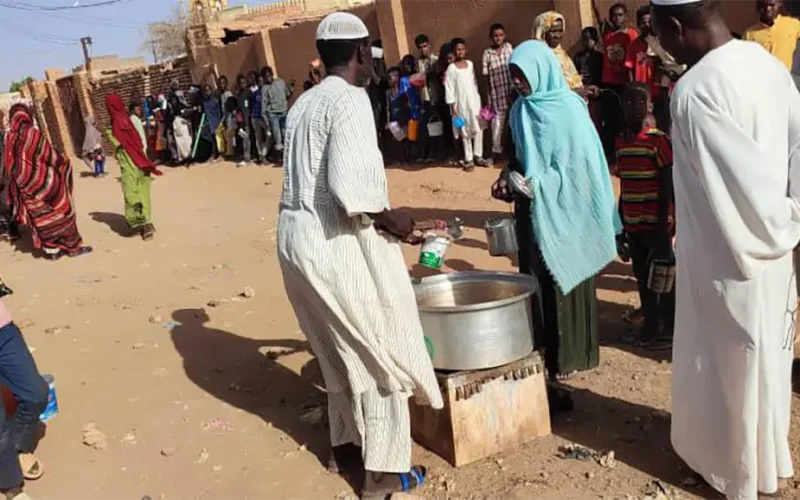
This story was originally published by The New Humanitarian.By Malaz Emad MUTUAL aid groups in Sudan are responding to the mass return of hundreds of thousands of people to major cities that have been reclaimed by the army after a long and brutal occupation by the paramilitary-turned-rebel Rapid Support Forces (RSF). But their efforts – from organising transport for returnees to running communal kitchens – are being complicated by the scale of the destruction and humanitarian need, and because of attacks against them by the army and allied militias. “The army is present, and the situation is better than when…
Read More
Ghana’s citizens have a right to protest: what does the law say about restricting it?

Ghana’s citizens have a right to protest: what does the law say about restricting it?

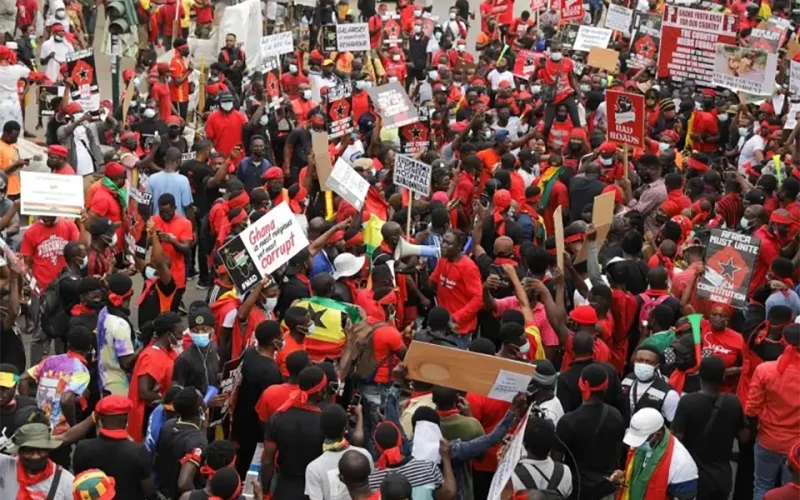
GHANA’S attorney general and minister of justice dropped charges against members of Democracy Hub, a civil society group, in February 2025, after four months of prosecution. The group had organised a protest in September 2024 against the widespread destruction and contamination of the country’s water bodies by persons and gangs engaged in illegal artisanal mining. Media reports alleged police harassment and the use of excessive force during the three-day protest. The actions of the police and the courts were the latest in a history of suppression of the exercise of the right to protest. They are based on a military-era…
Read More
Winning hearts and power: how Mali’s military regime gained popular support

Winning hearts and power: how Mali’s military regime gained popular support

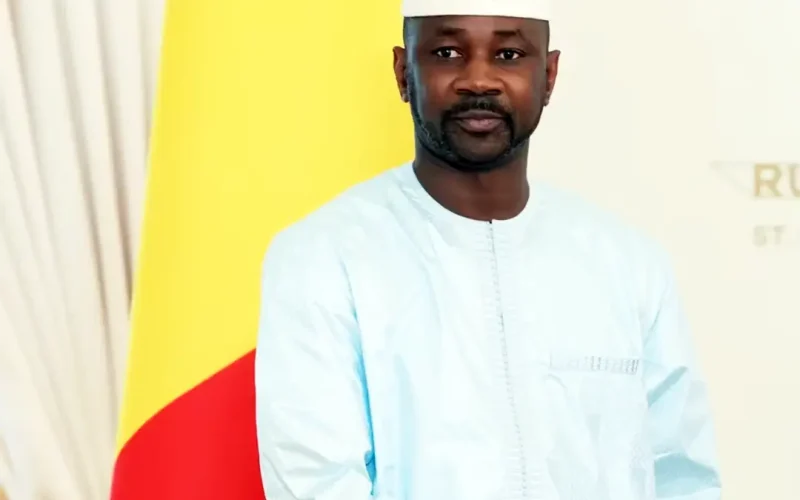
MALI’S interim president, Colonel d’Armée Assimi Goïta, who came to power in a coup on 18 August 2020, enjoys remarkably strong public support. Survey data from the pan-African research network Afrobarometer and the Mali-Métre survey, run by Germany’s Friedrich-Ebert-Stiftung since 2012, indicate high levels of satisfaction with junta rule. In the 2024 Mali-Métre, nine out of ten respondents considered the country to be moving in the right direction. Yet economic conditions are worsening for Malians. In a recent analysis, the World Bank pointed out that the junta was finding it difficult to deliver services amid sluggish growth, high inflation and…
Read More
Uganda’s electricity distribution is changing hands – what’s at stake

Uganda’s electricity distribution is changing hands – what’s at stake

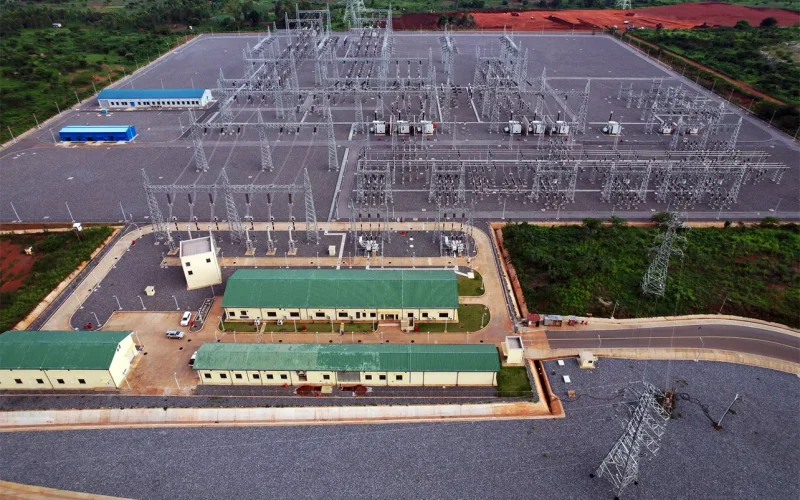
UGANDA’S electricity sector is at a turning point, as Umeme Limited’s 20-year concession draws to a close. Umeme was the first private distribution operator in Anglophone Africa. For nearly two decades, the listed company was the dominant distributor of electricity to the country’s 2.3 million clients. However, Uganda decided in 2022 not to renew the licence on expiry, citing high power tariffs and low electricity access rates. Umeme’s departure and the transfer of distribution assets back to the state-owned Uganda Electricity Distribution Company (UEDCL) has sparked controversy. It centres on a US$235 million compensation claim by Umeme. The final settlement…
Read More
“I am going to Saudi Arabia, or my grave”: The exodus of Ethiopia’s frustrated youth

“I am going to Saudi Arabia, or my grave”: The exodus of Ethiopia’s frustrated youth

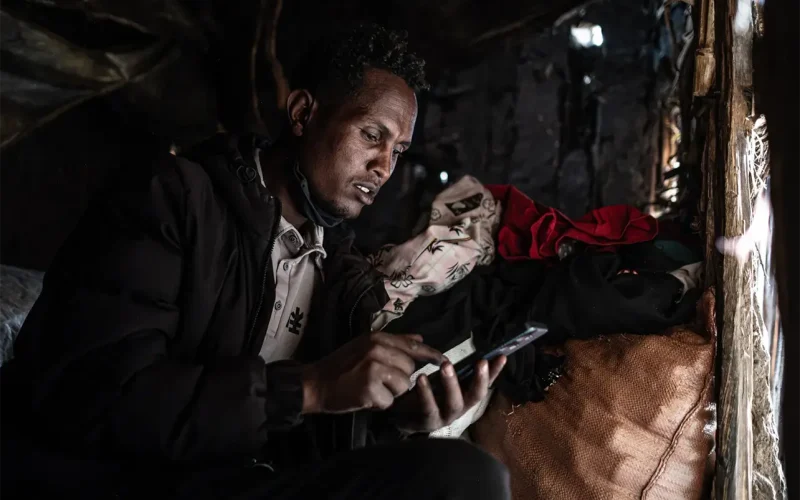
This story was originally published by The New Humanitarian. IN late 2014, something strange, anarchic and powerful began to stir in Oromia, Ethiopia’s largest and most populous region. It was a protest movement, which over the next four years would bring wave after wave of defiant young men into the streets. The protesters called themselves Qeerroo, an Oromo word traditionally used to describe a young, unmarried man. The term soon came to epitomise the frustrated ambitions of an entire generation of Oromos, as well as their increasingly assertive demands for change. The Qeerroo movement was an expression of youthful anger:…
Read More
West Africa’s bold trade experiment turns 50: an ECOWAS report card

West Africa’s bold trade experiment turns 50: an ECOWAS report card

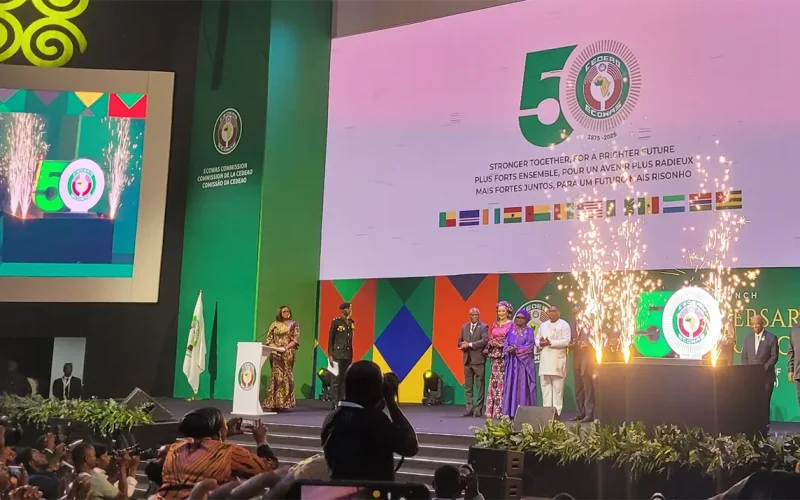
THE Economic Community of West African States (ECOWAS) is set to mark 50 years in May 2025. It was established in 1975 by 16 member states. Though seven of the founding leaders had ascended to power through coups d’état, the initial focus was economic growth and regional trade and cooperation. Within three years, however, its mandates were expanded to encompass political, security and other objectives. These additions were necessary as the West African post-independence governments sought to respond to shifting socio-economic and security challenges. These included coup d’états in Niger, Nigeria, Ghana and Mauritania. There were also other threats to…
Read More
To truly understand Pope Francis’ theology – and impact – you need to look to his life in Buenos Aires

To truly understand Pope Francis’ theology – and impact – you need to look to his life in Buenos Aires

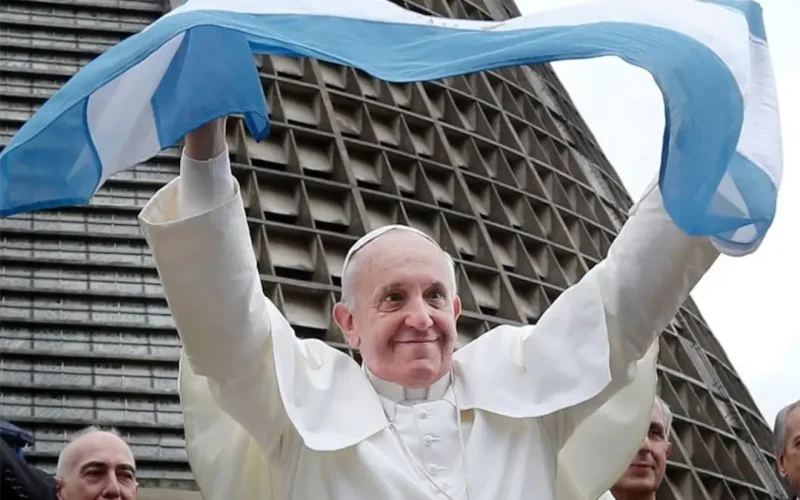
POPE Francis’ journey from the streets of Flores, a neighbourhood in Buenos Aires, Argentina, to the Vatican is a remarkable tale. Born in 1936, Jorge Bergoglio was raised in a middle-class family of Italian Catholic immigrants. Bergoglio defied his mother’s wish for him to become a medical doctor and chose instead to pursue the priesthood, a calling he felt during confession. The young man joined the Jesuits in the 1950s, attracted to the order’s vow of poverty and its ethos of serving others and living simply. He became a priest in 1969, Archbishop of Buenos Aires in 1998, and took…
Read More
Political rivalry reshapes DRC’s future: the Tshisekedi-Kabila saga continues

Political rivalry reshapes DRC’s future: the Tshisekedi-Kabila saga continues

A Dynasty of Division: The Inherited Rivalry THE 2025 crisis in the Democratic Republic of Congo represents the latest chapter in a political rivalry that spans generations. The tension between Félix Tshisekedi and Joseph Kabila is not merely a contemporary political contest but an inheritance of their fathers' complicated relationship. Étienne Tshisekedi, a longtime opposition leader, stood against Mobutu Sese Seko and later Laurent-Désiré Kabila, who seized power in 1997 after overthrowing Mobutu. When Laurent-Désiré Kabila was assassinated in 2001, his son Joseph inherited power at just 29 years old, establishing the first political dynasty in the DRC's post-independence era.…
Read More