Our website use cookies to improve and personalize your experience and to display advertisements (if any). Our website may also include cookies from third parties like Google Adsense, Google Analytics, and Youtube. By using the website, you consent to the use of cookies.
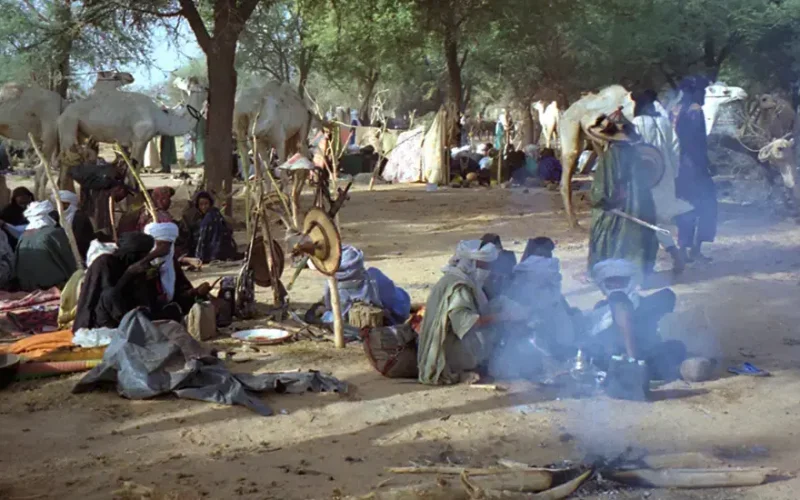
THE Fulani people are Africa’s largest pastoralist group. There are between 25 million and 40 million Fulani people across 17 African countries, from the Atlantic shores of Senegal and Mauritania to Sudan. The Fulani have long intrigued social anthropologists with their complex cultural heritage. They raise mainly cattle, goats and sheep in the vast, arid Sahel region. Some are nomadic but many have adopted a sedentary lifestyle. In the wide geographical belt where they live, they speak 11 dialects. The Fulani’s origins and migratory patterns have been subjects of scientific debates. Certain physical characteristics are similar to those commonly observed…
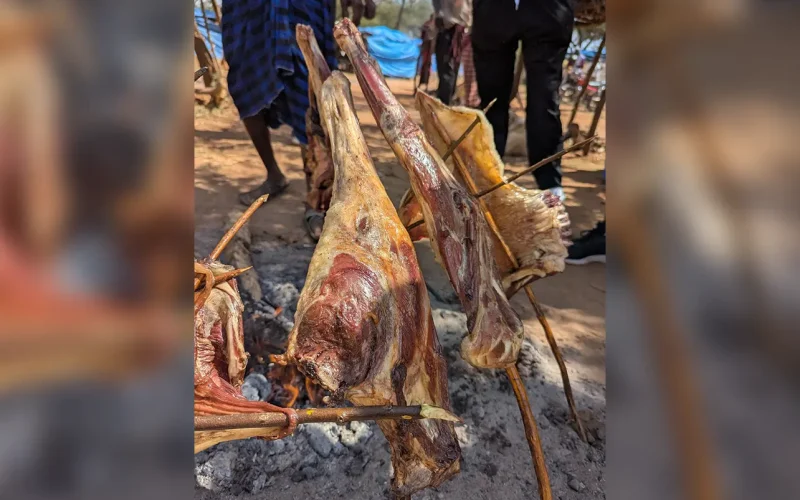
ONE of the most pressing issues of our time is the wild meat trade. Why? Because it’s consumed by millions and puts billions at risk from emerging diseases. It provides food and income for some of the poorest and most remote communities in Africa and Asia, yet over-exploitation makes ecosystems unstable and threatens the destruction of endangered species. In Africa, wild meat hunting is driven mostly by protein and meat scarcity (“the poor man’s meat”). In some regions, like East and Southeast Asia, it can be found in restaurants, offered as high-priced exotic delicacies (“the rich man’s status”). But consuming…
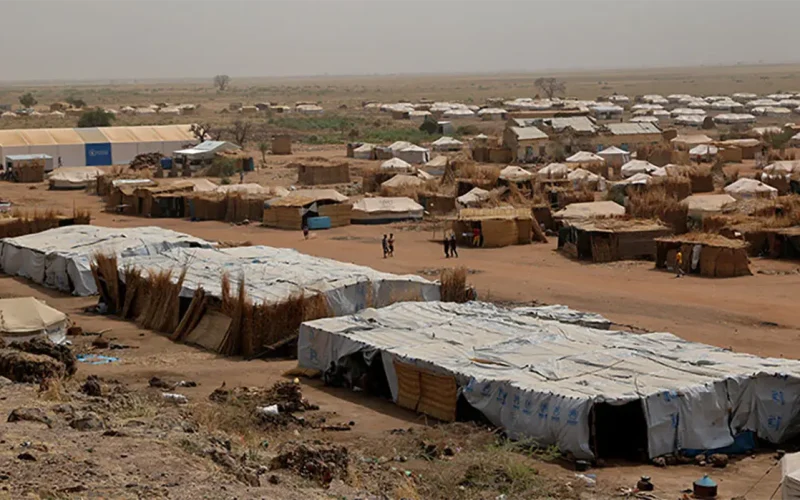
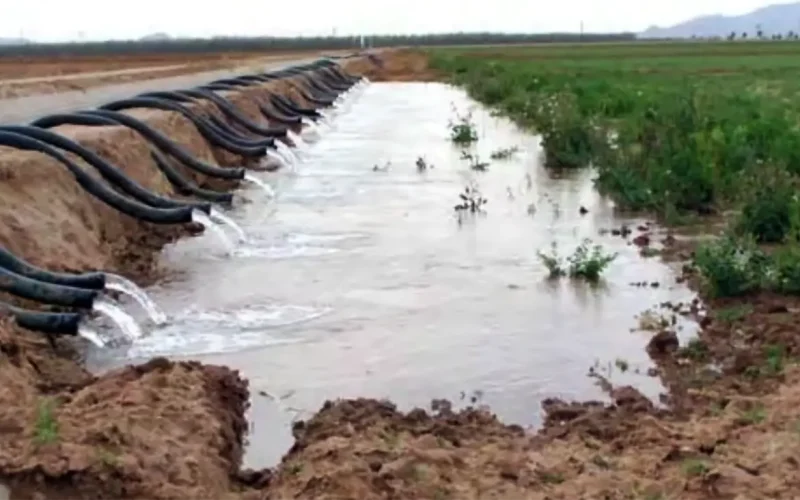
ALMOST one million people live in 24 camps for refugees and internally displaced people in Ethiopia. They have fled wars and massacres in South Sudan and Somalia and forced conscription and government oppression in Eritrea. Life in these camps is difficult. One of the challenges is drainage. The region experiences very intense, short storms. The camps don’t have proper water drainage systems, which means the stormwater causes flash flooding and mudslides. This results in: contaminated water flooding out of latrines, waste disposal sites and other unsanitary areas damage to clean water points, toilets and sewage disposal systems mosquitoes that breed…
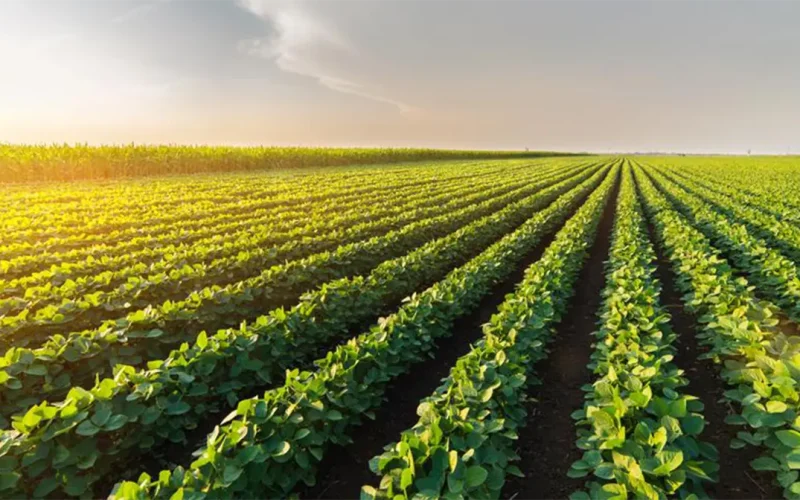
SOUTH Africa, the only African country that is a member of the G20, holds the presidency of the grouping until the end of November 2025. During this time, it could help drive the African continent’s food security agenda. The G20 is made up of 19 member countries plus the European Union and the African Union. Its members account for 85% of global GDP, 75% of international trade, and two-thirds of the world’s population. The presidency of the G20 rotates annually among member countries and is run as a troika made up of the past, present and next holder of the…
THE world has to feed a growing population with the same area of land and less water. Irrigation is key to managing this problem. A 10-year project called Transforming Irrigation in Southern Africa focused on capacity constraints on schemes in Mozambique, Tanzania and Zimbabwe and how to solve them. This led to a new project which uses small-scale irrigation schemes as learning sites for circular food systems. Here, the researchers involved in the projects share some findings. What are the barriers to smallholder irrigation schemes? First is a lack of coherence between national policies and local realities. The objectives of…
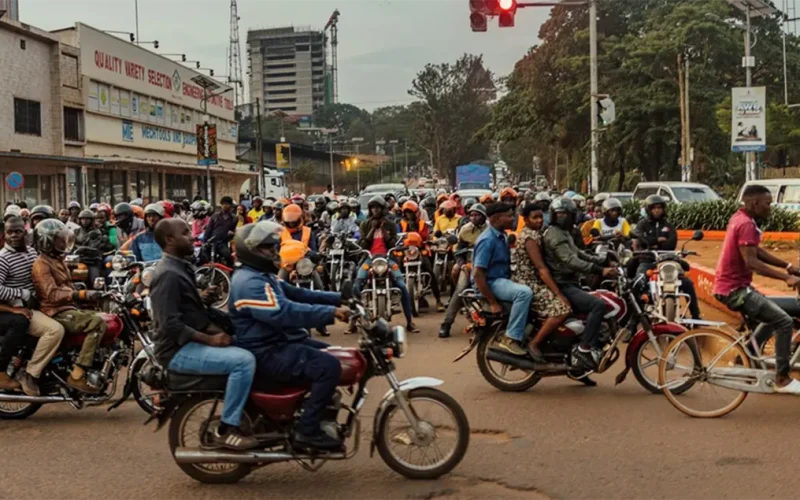
EVERY day, 10 people die on the roads of Kampala, Uganda’s capital. Road accidents cost Uganda US$1.2 billion annually, which is about 5% of its GDP. The cost typically arises from healthcare spending. Families face crippling medical bills and businesses lose workers. Motorbike taxis, which are popular in Uganda, are a leading cause of accidents. They are responsible for 64% of all recorded accidents – mostly as a result of speeding. Why do so many motorbike taxi drivers in Uganda speed? The common wisdom suggests that they do it for financial reasons. Higher speed translates to more trips, and more…
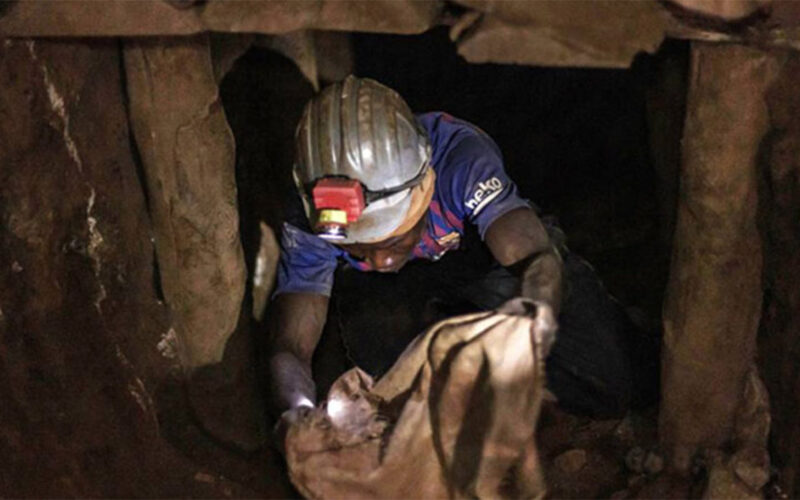
ILLEGAL mining activities in Nigeria are devastating the country’s economy, as well as fuelling violence. Strategic minerals mined in the country’s northwest region include granite, gypsum, kaolin, laterite, limestone, phosphate, potash, silica sand and gold. The Nigeria Extractive Industries Transparency Initiative has estimated that the legal mining sector contributed N814.59 billion (US$527 million) in 15 years. Earnings were highest in 2021. Nigeria’s Minister of Solid Minerals, Dele Alake, asserted in late 2024 that powerful individuals engaged in illegal mining were sponsoring banditry in the country. Recently, Edo North senator Adams Oshiomhole also alleged that retired military officers coordinated illegal mining…
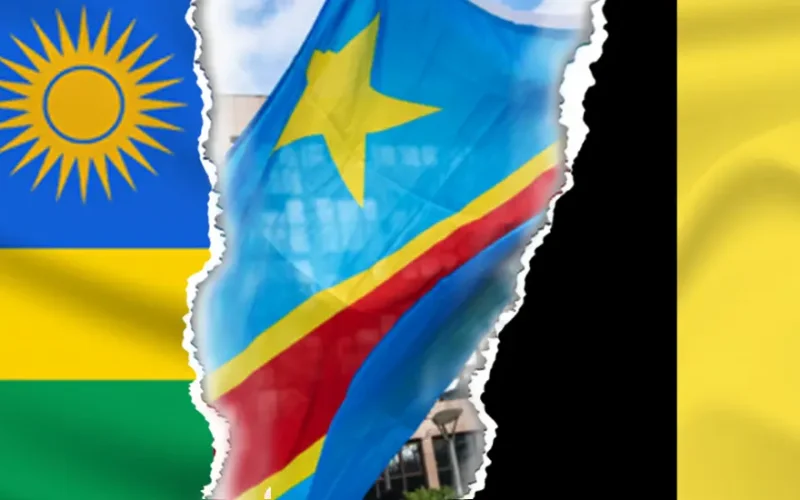
RWANDA’S foreign affairs ministry suspended all diplomatic relations with Belgium in March 2025. Soon afterwards, Belgium expelled Rwandan diplomats. This came weeks after Belgium had suspended foreign aid to Rwanda. At the root of this diplomatic fallout is the resurgence of the rebel group, March 23 Movement (M23), which has made recent military gains in the eastern Democratic Republic of Congo. Prior to Rwanda suspending diplomatic relations, President Paul Kagame accused Belgium of continually undermining Rwanda. This deterioration in Rwanda-Belgium relations illustrates decades of the Kagame regime’s lack of trust in Brussels since the 1994 genocide. Jonathan Beloff, who has…
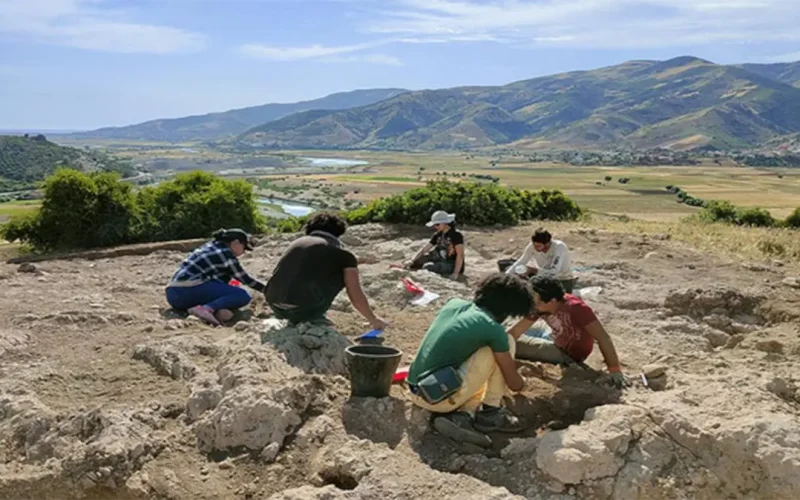
A new archaeological discovery at Kach Kouch in Morocco challenges the long-held belief that the Maghreb (north-west Africa) was an empty land before the arrival of the Phoenicians from the Middle East in around 800 BCE. It reveals a much richer and more complex history than previously thought. Everything found at the site indicates that during the Bronze Age, more than 3,000 years ago, stable agricultural settlements already existed on the African coast of the Mediterranean. This was at the same time as societies such as the Mycenaean flourished in the eastern Mediterranean. Our discovery, led by a team of…