Our website use cookies to improve and personalize your experience and to display advertisements (if any). Our website may also include cookies from third parties like Google Adsense, Google Analytics, and Youtube. By using the website, you consent to the use of cookies.

China flexes its media muscle in Africa – encouraging positive headlines as part of a soft power agenda

China flexes its media muscle in Africa – encouraging positive headlines as part of a soft power agenda

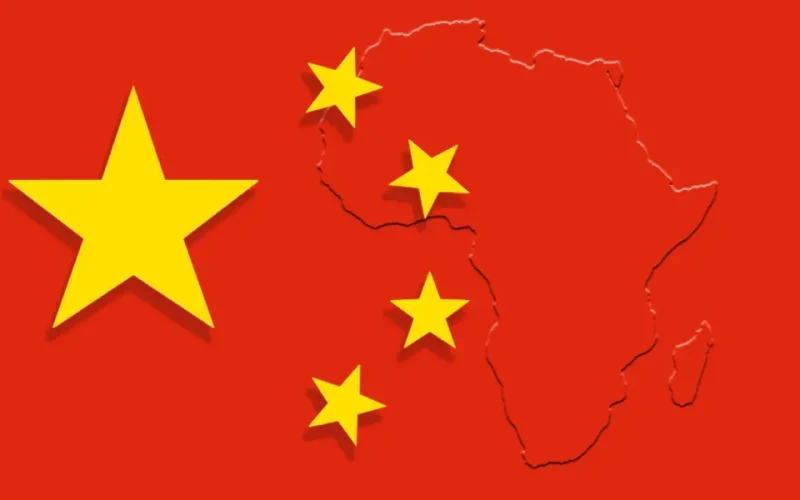
EVERY year, China’s minister of foreign affairs embarks on what has now become a customary odyssey across Africa. The tradition began in the late 1980s and sees Beijing’s top diplomat visit several African nations to reaffirm ties. The most recent visit, by Foreign Minister Wang Yi, took place in mid-January 2025 and included stops in Namibia, the Republic of the Congo, Chad and Nigeria. For over two decades, China’s burgeoning influence in Africa was symbolized by grand displays of infrastructural might. From Nairobi’s gleaming towers to expansive ports dotting the continent’s shorelines, China’s investments on the continent have surged, reaching…
Read More
An economic and mineral revolution took place long before Europeans settled South Africa’s Cape

An economic and mineral revolution took place long before Europeans settled South Africa’s Cape

WERE you told that gold mining in southern Africa started after 1852? Or that the export of iron, steel, copper and gold began in the late 19th century? Or that South Africa became integrated into a global trading system only after 1652? Or that the first powerful state in South Africa was the Zulu kingdom? If you learned that any of these things were true, you are like most South Africans, who have missed out on at least a thousand years of the country’s history. Both radical and conservative historians have focused heavily on colonial history, a story starting at…
Read More
Modern slavery and climate change: how extreme weather fuels forced labour and unwanted marriages

Modern slavery and climate change: how extreme weather fuels forced labour and unwanted marriages

WEATHER-INDUCED disasters that are the result of climate change are increasingly affecting societies. One area that hasn’t been explored much yet is how extreme weather events are creating conditions for a rise in modern slavery. Legal scholar Daniel Ogunniyi, who has done research in this field, speaks about the intersection of climate change and modern slavery in Africa. What is modern slavery and how serious is it in Africa? Unlike its historical variant, modern slavery is not a legal term with a precise definition. It is widely used to speak of practices like forced labour, human trafficking, servitude and de…
Read More
The fossil skull that rocked the world – 100 years later scientists are grappling with the Taung find’s complex colonial legacy

The fossil skull that rocked the world – 100 years later scientists are grappling with the Taung find’s complex colonial legacy

HERE'S how the story of the Taung Child is usually told: In 1924 an Australian anthropologist and anatomist, Raymond Dart, acquired a block of calcified sediment from a limestone quarry in South Africa. He painstakingly removed a fossil skull from this material. A few months later, on 7 February 1925, he published his description of what he argued was a new hominin species, Australopithecus africanus, in the journal Nature. It was nicknamed the Taung Child, a reference to the discovery site and its young age. The international scientific community rebuffed this hypothesis. They were looking outside Africa for human origins…
Read More
Peace in Sudan: what it’s going to take

Peace in Sudan: what it’s going to take

SUDAN, which included South Sudan up to 2011, has never known peace and stability since independence in 1956. The country’s instability stems from the absence of democratic rule; failure to manage its diversity; military coups; civil wars; and its fragmented and bloated security sector. Numerous political processes to mediate the peaceful resolution of conflicts started in the first decade of independence and continue today. None of these have delivered anything. The earliest peace efforts – in 1965 – sought to internally resolve the country’s north-south divide, which eventually triggered Africa’s longest civil war. Since then, there have been at least…
Read More
Violent crime in South Africa happens mostly in a few hotspots: police resources should focus there – criminologist

Violent crime in South Africa happens mostly in a few hotspots: police resources should focus there – criminologist

CRIME researchers use murder (or homicide) rate per 100,000 as a crude measure of the general level of violent interpersonal crime globally. According to the United Nations Office for Drugs and Crime, South Africa’s murder rate of 45 per 100,000 (2023/24) is the second highest for countries that publish crime data. The South African Police Service crime data shows that levels of attempted murder, armed robbery and robberies at homes have soared over the past 10 years. Other categories of violent crime, such as assault and sexual violence, also remain high. High crime rates have had considerable negative effects on…
Read More
South Africa’s food poisoning crisis: the government’s response isn’t dealing with the real issues

South Africa’s food poisoning crisis: the government’s response isn’t dealing with the real issues

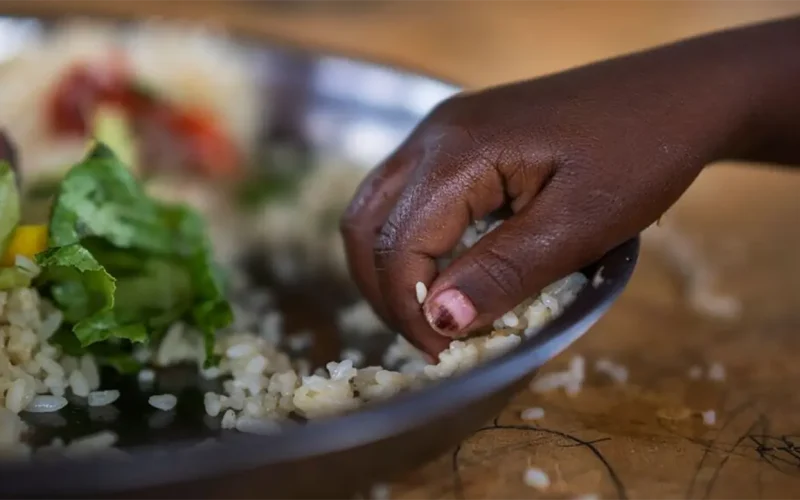
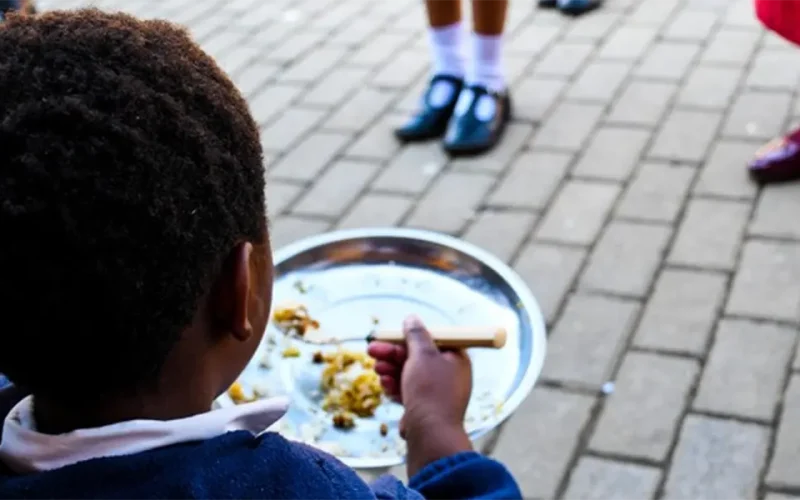
THE South African government declared a national disaster towards the end of 2024 in response to an outbreak of food-borne illnesses. The outbreak had led to the tragic deaths of over 20 children and hospitalisation of hundreds. Investigations by the National Institute for Communicable Diseases attributed the outbreak to hazardous pesticides such as Terbufos and Aldicarb. The pesticides, used in agriculture, have infiltrated the informal market as unregulated “street pesticides” for rat control, resulting in food contamination. In response, the government announced several measures. One was that all food handling outlets, including informal retailers known as spaza shops, had to…
Read More
Activists are warning of a return to the Jim Crow era in America. But who or what was Jim Crow?

Activists are warning of a return to the Jim Crow era in America. But who or what was Jim Crow?

SINCE becoming president, Donald Trump has issued a record number of executive orders. Several aim to dismantle federally funded initiatives based on the idea that “diversity, equity, and inclusion” (DEI) are goals worth achieving. In response, many commentators have warned Trump may be dragging the United States back to the dark days of the “pre-civil rights” Jim Crow era. But who or what was Jim Crow? The term Jim Crow refers to the long period in US history when black Americans could not exercise the same rights of citizenship as white Americans. “Jim Crow” segregation began when slavery ended in…
Read More
Rituals, rites and rumours: how women claim power in Zimbabwe’s informal gold mines

Rituals, rites and rumours: how women claim power in Zimbabwe’s informal gold mines

IN Zimbabwe they say, Hanzi bhande rinonzvenga vakadzi vakapinda mumigoghi (The gold belt will disappear if women go into the underground mine). Many men on artisanal or small-scale gold mining sites are uncomfortable working with women in their syndicates because of this commonly held cultural belief, that women “pollute” the sacredness of the mining space. Yet women remain a lively, if sidelined, community in the country’s growing mining sector. By 2000 there were more than 500,000 people working in artisanal and small-scale mining in Zimbabwe. By 2018 it was estimated that number could be up to 1.5 million. But this…
Read More
Femicide in Kenya: William Ruto has set up a task force – feminist scholar explains its flaws

Femicide in Kenya: William Ruto has set up a task force – feminist scholar explains its flaws

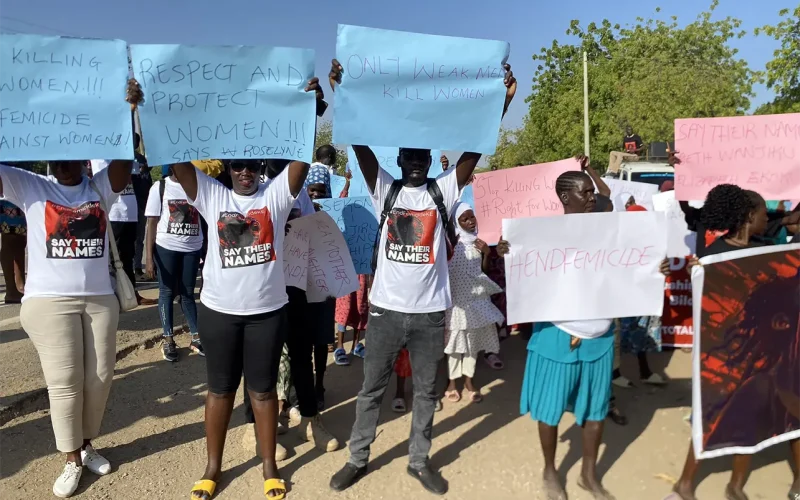
GENDER-BASED violence is a major challenge in Kenya, which has recorded a significant rise in deaths of women and girls in recent years. In January 2024, a coalition of organisations across the East African nation organised multi-city public marches to call for government action against these deaths. A year later, President William Ruto established a 42-member task force to address gender-based violence. What is its potential to lead to real change for women and girls? Feminist and security studies professor Awino Okech explores the issue. What do you make of the Kenyan government’s response to gender-based violence? Language matters, in…
Read More