Our website use cookies to improve and personalize your experience and to display advertisements (if any). Our website may also include cookies from third parties like Google Adsense, Google Analytics, and Youtube. By using the website, you consent to the use of cookies.

The Rolls-Royce, the raid and the ruin of Anita Among

The Rolls-Royce, the raid and the ruin of Anita Among

SHE arrived at President Yoweri Museveni's seventh-term inauguration on 12 May 2026, draped in a UGX 42.5 million Oscar de la Renta ensemble — yellow-gold, embroidered, imperial. It was, unmistakably, the outfit of a woman who believed herself untouchable. Four days later, her Nakasero home was surrounded by armed police officers, CID investigators, and plainclothes intelligence agents, as a joint security team executed a search warrant in connection with a corruption probe into alleged illicit enrichment and money laundering. The raid was sanctioned by Museveni. The fall of Anita Annet Among - Speaker of Uganda's 11th Parliament, National Resistance Movement…
Read More
Pensions for Botswana’s elderly are growing, but care services are lacking – study tracks 20 years

Pensions for Botswana’s elderly are growing, but care services are lacking – study tracks 20 years

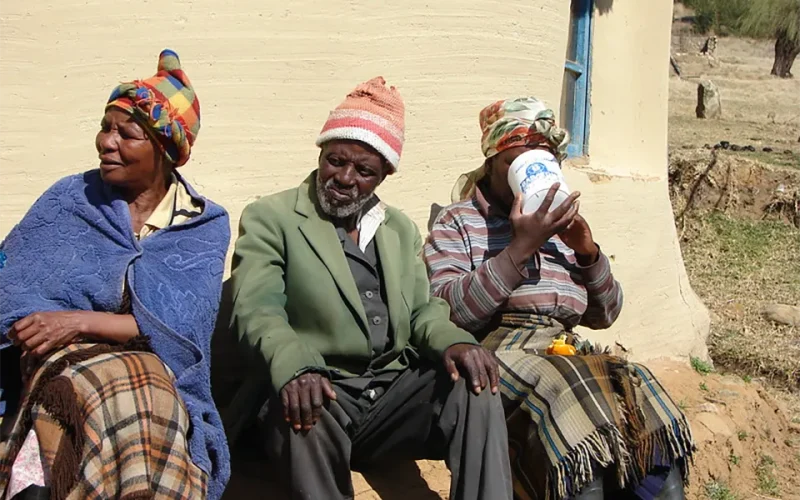
BOTSWANA’S economy is projected to contract by 0.4% in 2026, driven largely by a slowdown in the diamond sector. Diamonds account for a third of fiscal revenues and a quarter of GDP. This means the government has less money to spend, even before making any policy choices. At the same time, the government has set about reducing debt as a share of GDP by cutting expenditure to stabilise the economy. This combination is forcing difficult decisions about public spending. A key one is investment in social protection for older people. Over the past two decades, the number of older persons…
Read More
South Africans are far less tolerant of migrants than before – hotspots, drivers and solutions

South Africans are far less tolerant of migrants than before – hotspots, drivers and solutions

ANTI-IMMIGRANT marches in several major South African cities (such as Tshwane and Johannesburg) in early May 2026 once again led to questions being asked about xenophobia in post-apartheid South Africa. In the wake of the protests, President Cyril Ramaphosa called on South Africans to embrace solidarity with their African neighbours. For their part, foreign governments lodged their protests while police sought to curtail violence. The tension in the country was palpable. Are the recent outbreaks of anti-immigrant activism a harbinger of a wider uptick in anti-migrant sentiment amongst South Africans? Recent public opinion data from the Human Sciences Research Council…
Read More
Our Ocean, Our Future: Why Kenya is calling the world to act

Our Ocean, Our Future: Why Kenya is calling the world to act

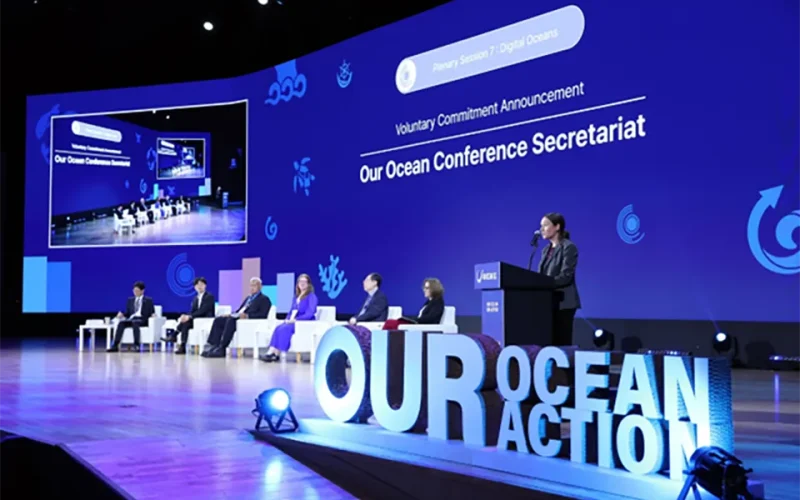
THE Our Ocean Conference was created with a simple but powerful ambition: to move the world from conversation to action for the ocean. Since its inception in 2014, the conference has mobilised governments, the private sector, civil society, and communities to make concrete, measurable commitments that protect ocean health while supporting sustainable development. Over the past decade, Our Ocean has generated thousands of commitments worth billions of dollars, driving progress on marine protection, sustainable fisheries, climate action, pollution reduction, maritime security, and a thriving blue economy. What sets Our Ocean apart is its focus on delivery: commitments are tracked, reported,…
Read More
Shock at Mali attacks, and fear of what may be to come

Shock at Mali attacks, and fear of what may be to come

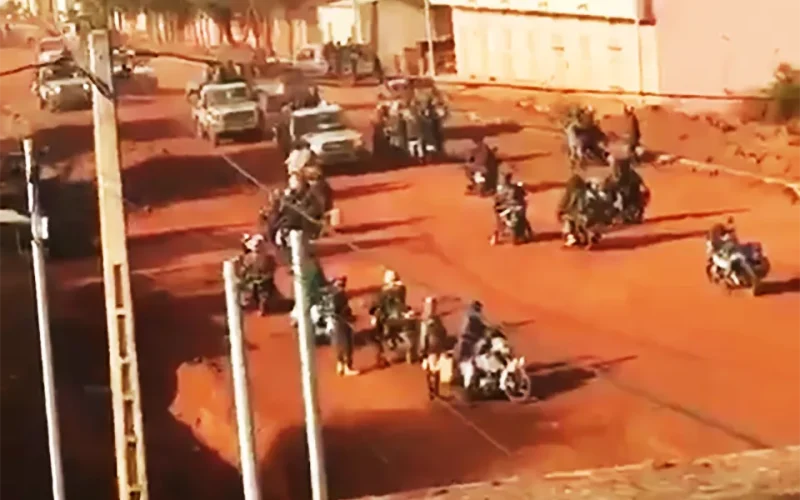
MORE than a decade ago, I stood inside a basketball stadium in Bamako, among people who had fled an upscale hotel after one of the first jihadist attacks on Mali’s capital. Some had been injured jumping from windows. Everyone was in shock. Standing in that stadium, on one of my first journalistic assignments, it never occurred to me that more than a decade later I would still be documenting similar scenes. Yet last weekend's attacks on Bamako and other cities by al-Qaeda-linked JNIM fighters and separatists show how wrong I was. On Saturday, I stood on a road leading to…
Read More
South Africa’s AI policy cited fake research, created by AI: what lessons need to be learned

South Africa’s AI policy cited fake research, created by AI: what lessons need to be learned

SOUTH Africa’s first attempt to establish a binding artificial intelligence (AI) policy framework came to an abrupt halt just 16 days after it was officially gazetted. On 10 April, the Department of Communications and Digital Technologies published the Draft South Africa National Artificial Intelligence Policy for public comment. Journalists checked the references and found that they contained fabrications. These fell into two categories: academic journals that do not exist, and real journals in which the referenced research articles were never published. Such fabrications are typical of a known generative AI problem called hallucination. Withdrawing the draft, the communications minister was…
Read More
To deliver a better humanitarian response, we need to fix Nigeria’s state dysfunction

To deliver a better humanitarian response, we need to fix Nigeria’s state dysfunction

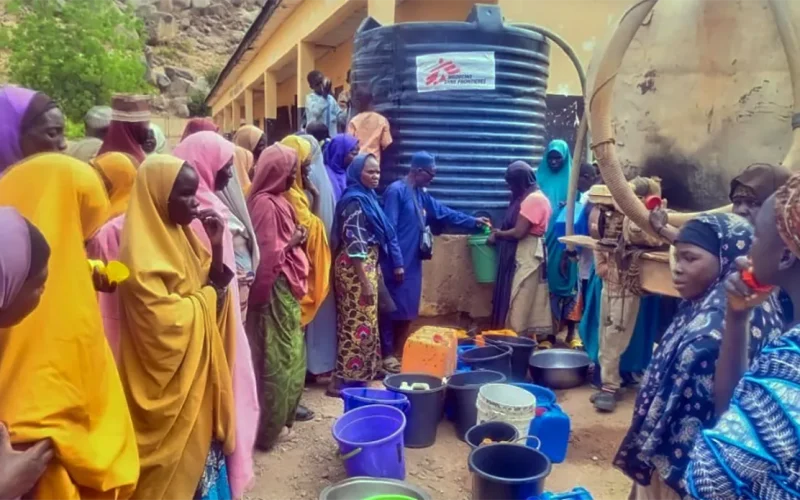
THE humanitarian crisis in northeast Nigeria is often described in the familiar shorthand of protracted conflict, mass displacement, chronic food insecurity. But this obscures a deeper truth; one that explains why, despite billions of dollars in aid, the situation continues to deteriorate. This story was originally published by The New Humanitarian.By Philip Alesin Northeast Nigeria is not just a long-running emergency. It is a complex crisis inside a dysfunctional state, where humanitarian outcomes are shaped as much by failures – of governance, security, infrastructure, and socioeconomic systems – as by the violence of Boko Haram and its jihadist cousin, Islamic…
Read More
Ghana’s mining law aims to stop speculation but leaves communities in limbo – insights from a lithium case study

Ghana’s mining law aims to stop speculation but leaves communities in limbo – insights from a lithium case study

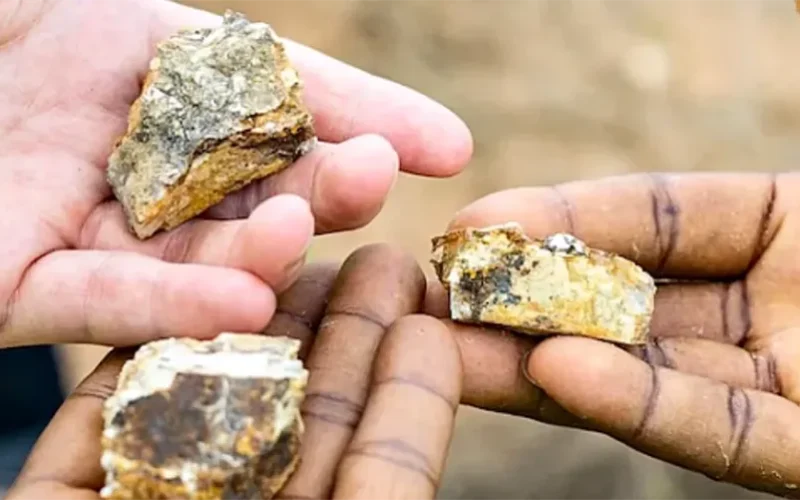
GHANA’S parliament ratified the country’s first lithium mining agreement in March 2026. This came three years after lithium mining was confirmed as commercially viable in September 2023. The Ewoyaa Lithium Project, in the Central Region of Ghana, covers an area where farming communities have lived for generations. It spans several communities. The agreement is between the government and Barari DV Ghana Limited, the local subsidiary of Australia-based Atlantic Lithium. Lithium is a mineral used in batteries that power electric vehicles, renewable energy storage systems, and everyday electronics. It’s at the heart of global minerals supply chains to decarbonise energy and…
Read More
Clinging to the throne: Mnangagwa, Tshisekedi chart the same dangerous path

Clinging to the throne: Mnangagwa, Tshisekedi chart the same dangerous path

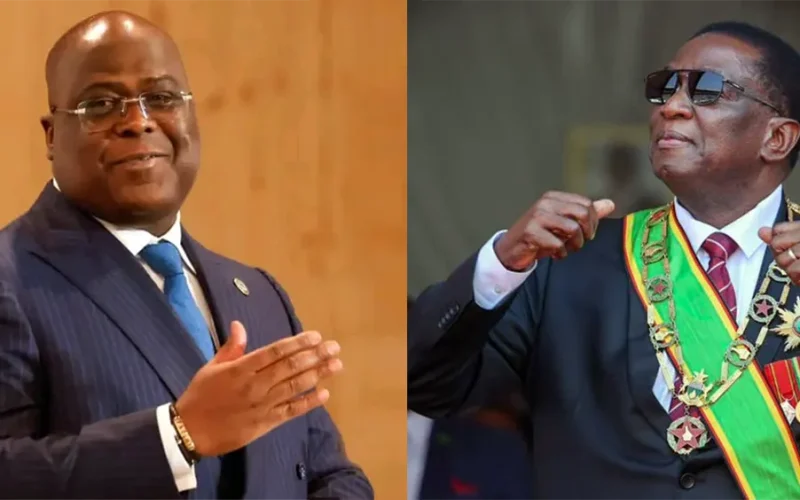
THERE is a peculiar theatre that plays out in certain African capitals whenever a president, having grown comfortable in the presidential palace, begins to hear the faint tick of the constitutional clock. The pageantry of consultation is assembled. Ruling-party conferences pass reverential resolutions. Legal advisers produce learned opinions. And slowly, the machinery of the state is bent toward a single purpose: ensuring the incumbent does not leave. In the spring of 2026, two of Africa's most consequential leaders are performing this theatre simultaneously - and the audience, from Harare's townships to Kinshasa's roiling streets, is not applauding. In Zimbabwe, President…
Read More
From genocide to countless acts of solidarity: Documenting three years of war in Sudan

From genocide to countless acts of solidarity: Documenting three years of war in Sudan

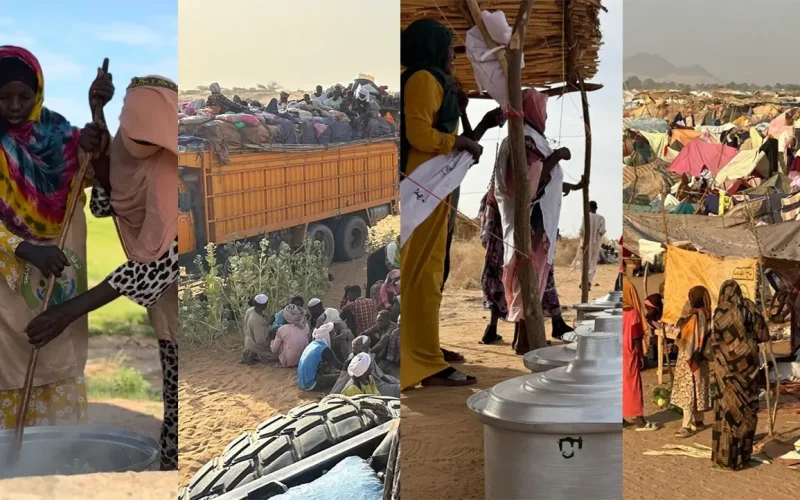
AFTER three years of catastrophic conflict, Sudan is divided and partitioned between the warring parties and their various armed allies, with few signs of any breakthrough in mediation efforts, and every indication of further regional escalation. The national army – the Sudanese Armed Forces (SAF) – and the paramilitary-turned-rebel Rapid Support Forces (RSF) were former allies who overthrew a civilian-led government before violently fracturing amid plans to integrate their forces. Many Sudanese see the SAF as a sovereign army fighting a legitimate battle against a rebel group that has been backed to the hilt by the United Arab Emirates, allowing…
Read More