Our website use cookies to improve and personalize your experience and to display advertisements (if any). Our website may also include cookies from third parties like Google Adsense, Google Analytics, and Youtube. By using the website, you consent to the use of cookies.

Why are floods in South Africa’s KwaZulu-Natal so devastating? Urban planning expert explains

Why are floods in South Africa’s KwaZulu-Natal so devastating? Urban planning expert explains

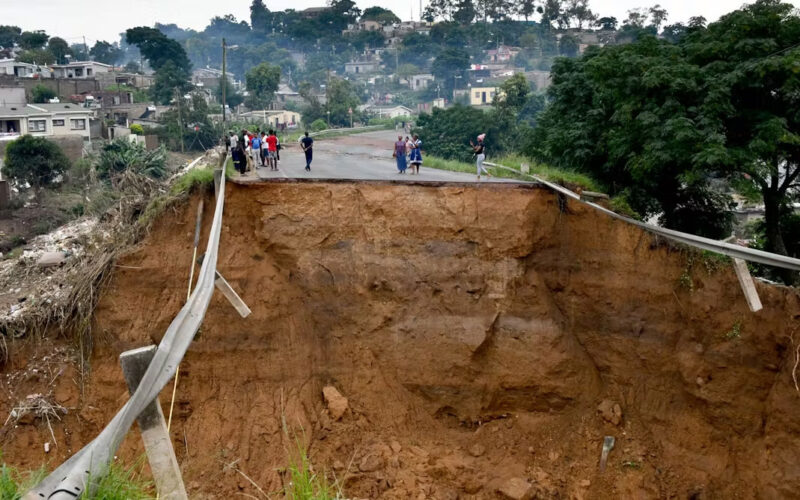
THE devastation caused by the recent floods in KwaZulu-Natal, South Africa demonstrates again that the country is not moving fast enough to adopt appropriate urban planning. It should integrate risk assessment and management in the design and development of cities. This is becoming more urgent as the frequency of floods increases. HOPE MAGIDIMISHA-CHIPUNGU, Full Professor, University of KwaZulu-Natal Most South African cities were built a long time ago before climate change was predicted. KwaZulu-Natal experienced flooding in July 2016, May 2017, October 2017, March 2019, April 2019, November 2019, November 2020, April 2023, June 2023, and now in January 2024.…
Read More
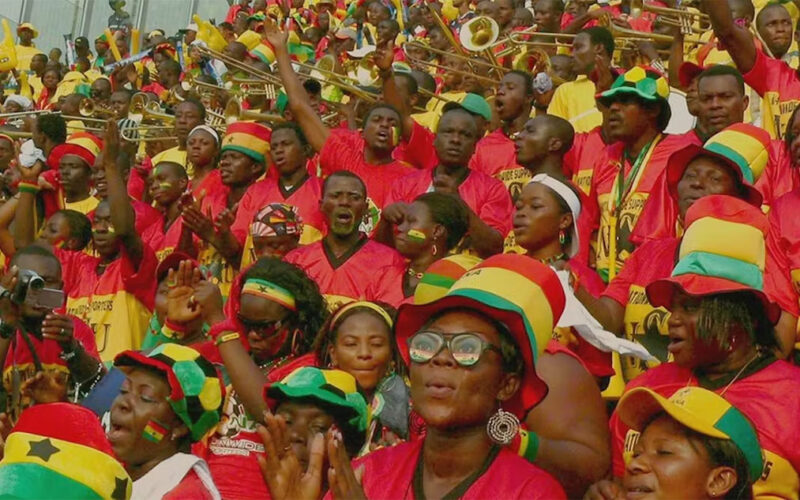
Ghana won Afcon four times, but the last time was 40 years ago. What went wrong with its football team?

Ghana won Afcon four times, but the last time was 40 years ago. What went wrong with its football team?

THE Africa Cup of Nations (Afcon) is the most important football tournament in Africa. It has been contested by the male national teams of countries on the continent since 1957. Egypt is the most successful country in the tournament’s history, with seven wins, the most recent in 2010. Previously, Ghana was the dominant force with four wins. In spite of producing world class players, the country has not won the tournament in four decades. ERNEST YEBOAH ACHEAMPONG, Senior Lecturer, Department of Health, Physical Education, Recreation and Sports (HPERS), University of Education, Winneba As the 2023 edition plays out in Côte…
Read More
Jobs in South Africa: the labour market is recovering from COVID – but unskilled and less educated people are still being left behind

Jobs in South Africa: the labour market is recovering from COVID – but unskilled and less educated people are still being left behind

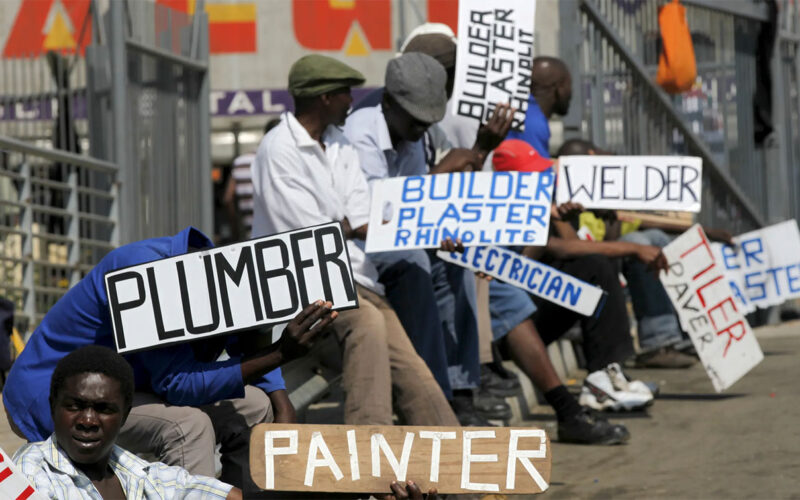
FOR more than three decades the South African economy has had very high rates of joblessness. The country’s economy has been unable to create enough jobs for its growing army of workers. This has partly been because of the stagnant economic growth rate of only 1.7% during the 2010s (it was even lower at 0.9% in 2015-2019). DEREK YU, Professor, Economics, University of the Western Cape Another factor that limited the economy’s capacity to create jobs at a rapid enough pace to absorb new job seekers and previously employed people was the impact of restrictions imposed during the coronavirus (COVID-19)…
Read More
Education has a huge role to play in peace and development: 5 essential reads

Education has a huge role to play in peace and development: 5 essential reads

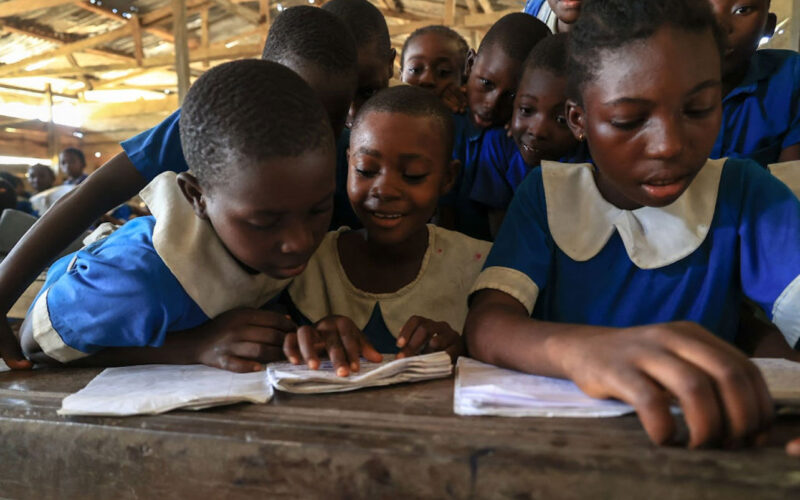
NELSON Mandela was a famous advocate for the value of education. In 1990, the man who would become South Africa’s first democratic president four years later told a high school in Boston: “Education is the most powerful weapon which you can use to change the world.” NATASHA JOSEPH, Commissioning Editor, The Conversation The United Nations agrees. In 2018 its General Assembly adopted a resolution that proclaimed 24 January as the International Day of Education. It’s an annual opportunity to shine a spotlight on the role that education can and should play in promoting peace and development. This year the theme…
Read More
Coca-Cola in Africa: a long history full of unexpected twists and turns

Coca-Cola in Africa: a long history full of unexpected twists and turns

A new book called Bottled: How Coca-Cola Became African tells the story of how the world’s most famous carbonated drink conquered the continent. It’s a tale of marketing gumption and high politics and is the product of years of research by critical writing lecturer Sara Byala, who researches histories of heritage, sustainability and the ways in which capitalist systems intersect with social and cultural forces in Africa. We asked her some questions about the book. SARA BYALA, Senior Lecturer in Critical Writing, University of Pennsylvania What do you hope readers will take away? There are three main takeaways. The first…
Read More
Who paid the price for Uganda’s refugee fraud scandal (and who didn’t)?

Who paid the price for Uganda’s refugee fraud scandal (and who didn’t)?

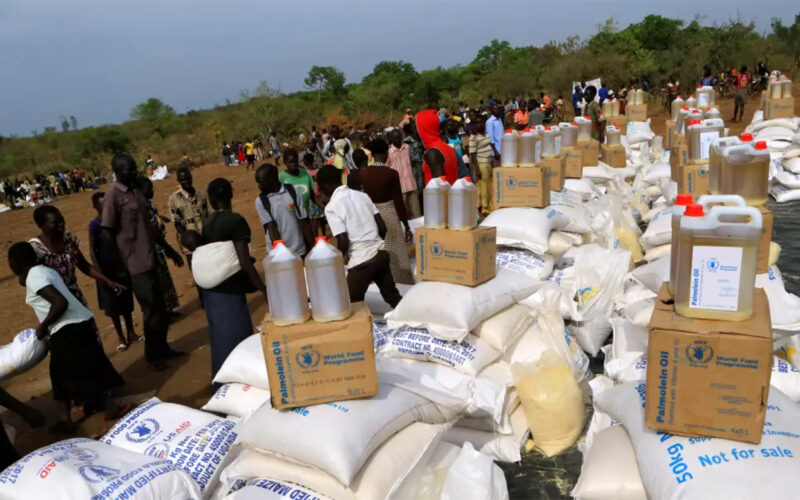
ANTWERP, Belgium In 2018, as Uganda was catering for hundreds of thousands of South Sudanese escaping conflict across the border, a major corruption and mismanagement scandal hit the country's widely praised refugee programme. The scandal, which implicated both government officials and the UN’s refugee agency (UNHCR), made global headlines. Yet almost five years on, many of those most involved appear to have avoided legal or professional repercussions, Kristof Titeca, an associate professor of international development at the University of Antwerp in Belgium, believes. “Little meaningful accountability occurred on the side of the Ugandan government,” Titeca told The New Humanitarian, summarising the…
Read More
Humiliation and violence in Kenya’s colonial days – when old men were called ‘boy’ and Africans were publicly beaten

Humiliation and violence in Kenya’s colonial days – when old men were called ‘boy’ and Africans were publicly beaten

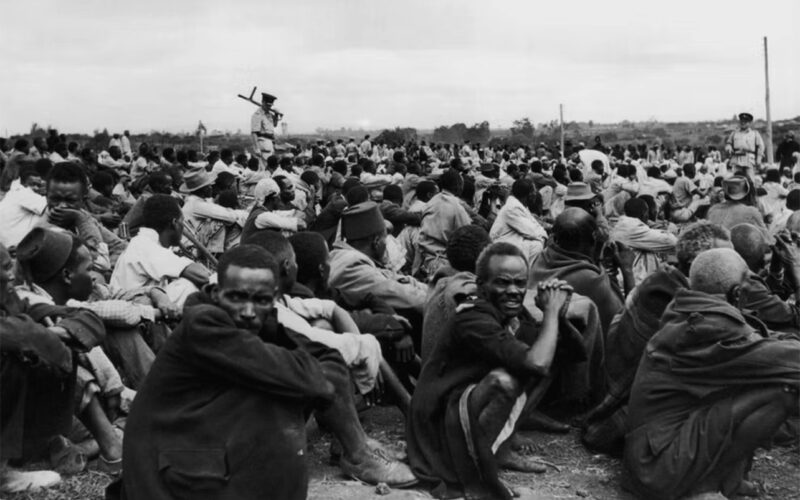
WHEN King Charles visited Kenya in November 2023, many Kenyans renewed their demands for an official apology for atrocities committed by the British government during the colonial era. The widespread human rights abuses during the Mau Mau rebellion are the best-known of these atrocities. Yet we should not forget more mundane, everyday acts of domination. BRETT SHADLE, Professor, Virginia Tech I am a social historian who has studied race, violence, colonialism and white settlement in Kenya. From the start of colonialism in 1895 to the drawing down of the Union Jack on December 12 1963, black Kenyans were constantly subjected…
Read More
Sharpeville: new research on 1960 South African massacre shows the number of dead and injured was massively undercounted

Sharpeville: new research on 1960 South African massacre shows the number of dead and injured was massively undercounted

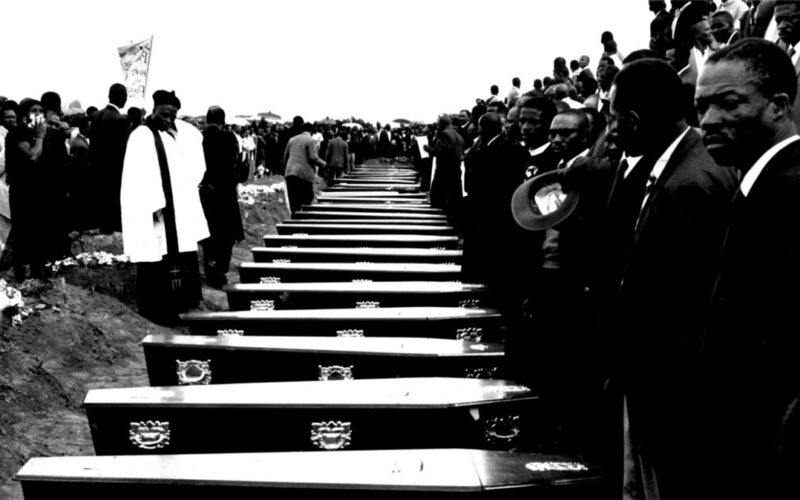
ON 21 March 1960 at 1.40 in the afternoon, apartheid South Africa’s police opened fire on a peaceful crowd of about 4,000 residents of Sharpeville, who were protesting against carrying identity documents that restricted black people’s movement. The police minimised the number of victims by at least one-third and justified the shooting by claiming that the crowd was violent. This shocking story has been thus misrepresented for over 60 years. NANCY L CLARK, Dean and Professor Emeritus, Louisiana State University WILLIAM H. WORGER, Professor Emeritus of History, University of California, Los Angeles Our new research retells the story of Sharpeville,…
Read More
Southern African troops versus M23 rebels in the DRC: 4 risks this poses

Southern African troops versus M23 rebels in the DRC: 4 risks this poses

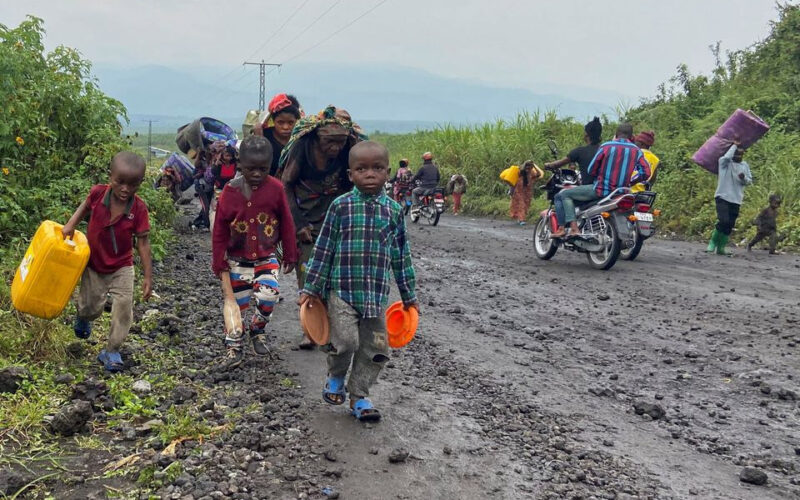
The security situation in the eastern region of the Democratic Republic of Congo (DRC) continues to deteriorate. The region comprises North Kivu, South Kivu and Ituri provinces. It’s about seven times the size of neighbouring Rwanda. DELPHIN R. NTANYOMA, Visiting Researcher, University of Leeds The violence in North Kivu has drawn most of the attention of the DRC’s neighbours and the international community. This close attention is aimed at preventing possible confrontation between Rwanda and the DRC. Since late 2021, North Kivu has been confronted by M23 rebels who have executed people and forcibly displaced thousands within the province and…
Read More
In Quito and Harare, advice and warnings about dollarization for Argentina

In Quito and Harare, advice and warnings about dollarization for Argentina

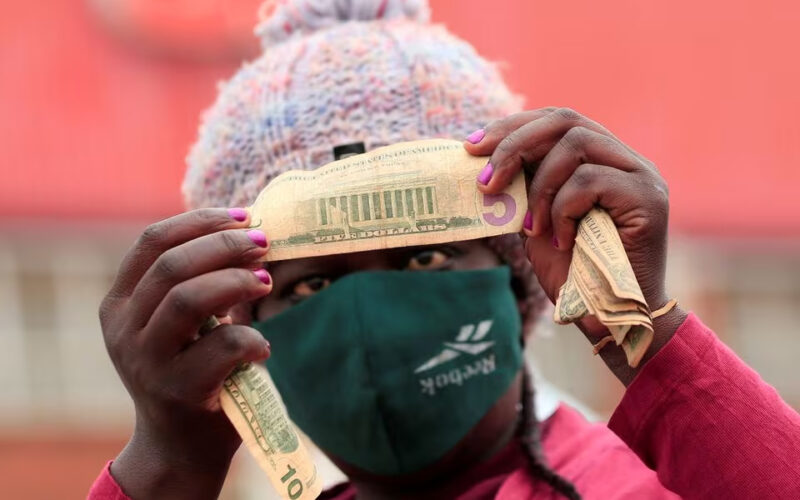
FROM Zimbabwe's capital Harare to Quito in Ecuador, green bills circulating on the streets and in shops with images of U.S. presidents reflect a big choice that has been made: picking the dollar over the local currency to bring economic stability. The two countries offer a lesson - and warnings - for Argentina, the latest nation globally to toy with the idea of ditching an embattled local tender in favour of the greenback, a signature campaign pledge of President-elect Javier Milei. Dollarization or the part-way option of a peg to the dollar has generally been triggered as a last-ditch option to…
Read More