Our website use cookies to improve and personalize your experience and to display advertisements (if any). Our website may also include cookies from third parties like Google Adsense, Google Analytics, and Youtube. By using the website, you consent to the use of cookies.

Cameroon’s Baka people say they are part of the forest: that’s why they look after it

Cameroon’s Baka people say they are part of the forest: that’s why they look after it

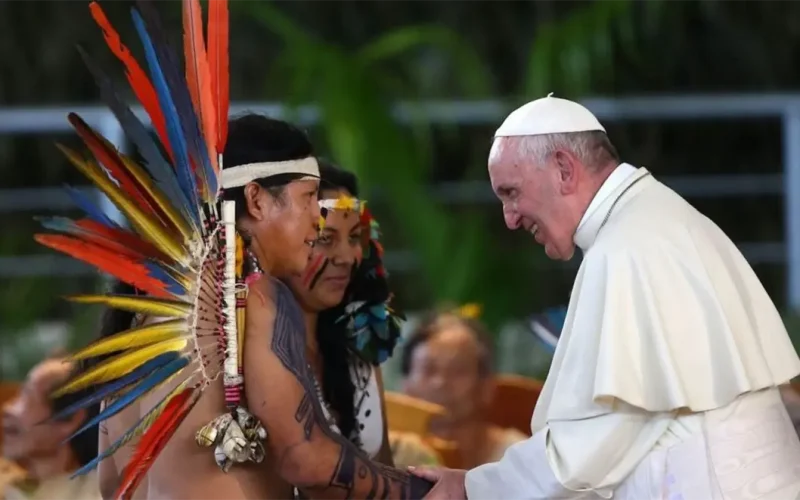
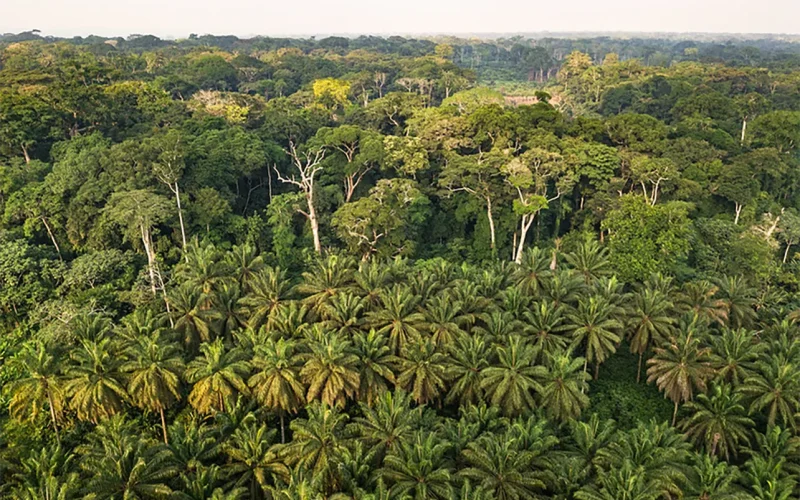
THE Congo Basin’s hunter-gatherer people have the secret to living well with the forest. While doing fieldwork in 2020, I remember walking with Indigenous elders Ferdinand Mbita and Félix Mangombe up the small, winding path into their forest in Cameroon, jumping over highways of vicious black ants, shadowed by grand trees. We almost always encountered monkeys chattering when venturing down this path. Once we came across the prints of a gorilla. This path, near the Dja River in the south region of Cameroon, lay next to the small village of Bemba. The village folk, Baka hunter-gatherers, used the path regularly…
Read More
Plant-based plastics could help reduce the millions of tonnes of medical waste hospitals generate each year

Plant-based plastics could help reduce the millions of tonnes of medical waste hospitals generate each year

HOSPITALS around the world generate millions of tonnes of plastic waste annually. Much of this waste comes from single-use items such as face masks, surgical gloves, syringes, IV tubes and sterile packaging materials. What’s worse is that many of these medical plastics aren’t biodegradable. This means they can persist in landfills or oceans for centuries. Eventually, they break down into micro and nano-sized particles, which pose many risks to the environment and our health — including endocrine disruption and cell damage. Incinerating plastic medical waste also releases harmful chemicals into the atmosphere. This contributes to poor air quality and potentially…
Read More
Rwanda has moved people into model ‘green’ villages: is life better there?

Rwanda has moved people into model ‘green’ villages: is life better there?

AFTER the devastating 1994 genocide, Rwandans returning from the violence established homes and began farming where they could find land. Since then, the Rwandan government has aimed to bring people scattered across rural parts of the country into grouped settlements which they have called “model villages”. These are intended to provide extra support for highly vulnerable residents, such as the homeless and those who are living in “high-risk zones” – areas prone to floods, drought and mudslides, and which are likely to be affected by climate change in the future. Rwanda has a population of 14.5 million. An estimated 62,000…
Read More
Inside the sex lives of chimpanzees: it’s about much more than just reproduction

Inside the sex lives of chimpanzees: it’s about much more than just reproduction

DOUG was the leader of his chimpanzee group. He had quickly gained a reputation from human observers as a fair and tolerant alpha male. One day he was separated from the group for some health checkups along with a young, confident male, Vis, and Vis’s ally, Zsabu. We couldn’t see what was happening from our vantage point, but you could hear it. Screaming and banging. Something was kicking off. Doug had been ambushed by the two males and had to be released hastily by the keepers. When he emerged he wasn’t badly injured, but was clearly distressed – this giant…
Read More
Women and girls are on the frontline of climate change – but their stories are seldom heard

Women and girls are on the frontline of climate change – but their stories are seldom heard

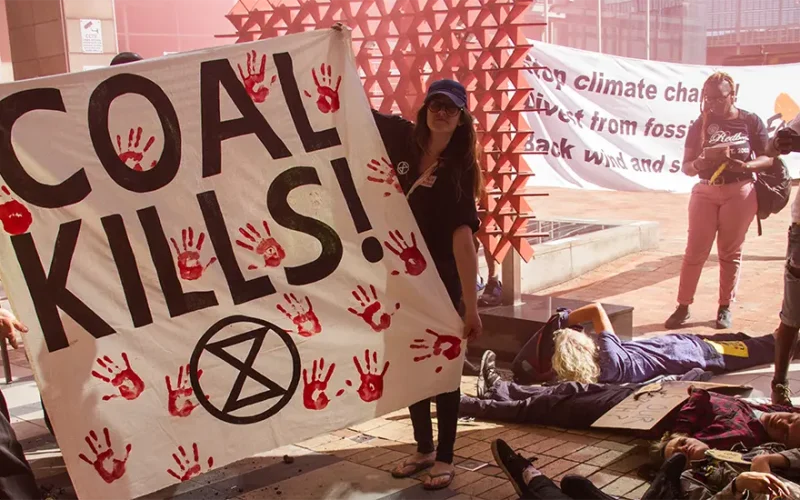
WOMEN and girls are disproportionately affected by the climate crisis. They are more likely to suffer health consequences as a result of floods, droughts, heatwaves, air pollution, wildfires and other environmental disasters. At the same time, women also tend to be responsible for securing food, water and energy for the rest of their families. When extreme weather makes these resources scarce, their lives and livelihoods are at risk. Despite all of this, women are alarmingly underrepresented in climate change and environmental reporting. A global analysis by the non-profit Media Diversity Institute found that only one in four sources quoted in…
Read More
Vultures: unsung heroes of Africa’s ecosystem also contribute hundreds of millions to the economy

Vultures: unsung heroes of Africa’s ecosystem also contribute hundreds of millions to the economy

VULTURES are regularly depicted in the media as ugly and menacing, benefitting from the death of other creatures and are often reviled. However, a new report confirms that vultures are not only vital to the health of Africa's ecosystem but also of considerable benefit to the economy. The report by global conservation organization, BirdLife International, shows that vultures provide a wide range of ecosystem services, from waste disposal to disease control, and their conservation is essential to sustainability. What is more, they were found to contribute hundreds of millions of dollars annually to the economies of just three countries, Botswana,…
Read More
Green energy doesn’t benefit everyone: ubuntu ideas can help include more people

Green energy doesn’t benefit everyone: ubuntu ideas can help include more people

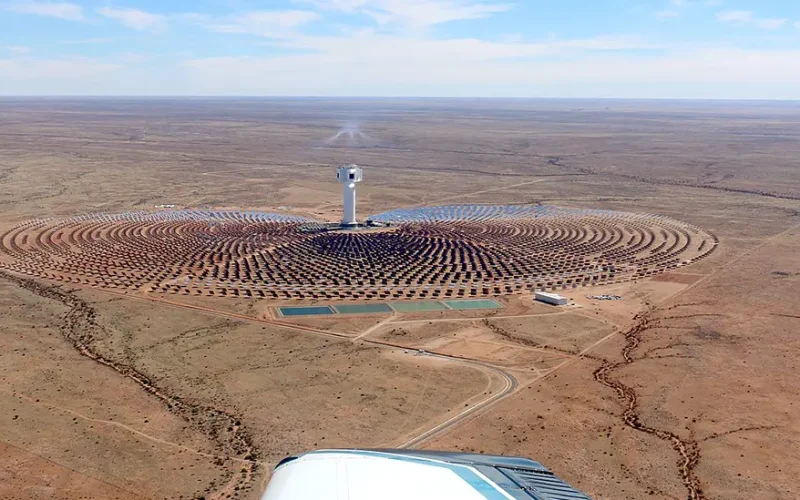
ELLEN Fungisai Chipango is a scholar of the communal ethic of African ubuntu – the belief that we are at our best as individuals and society if we work for the good of others, alongside others. She researches ways in which ubuntu can be applied in real life situations involving energy. In this article, she discusses her latest publication about applying an ubuntu feminist approach to rolling out renewable energy. Ubuntu feminism is the idea that everyone is obliged to care for each other’s wellbeing. What are the limitations in the transition to renewable energy? One limitation is that the…
Read More
Why religion is fundamental to addressing climate change

Why religion is fundamental to addressing climate change

“THERE is no time for imagination, religious or otherwise. We need to act now!” an irritated scientist told me during a workshop on climate change and religion in 2024. Contrary to the tone of his comment, this scientist was not dismissing religion as being marginal to tackling climate change, but his underlying assumption rang clear: religion, while undoubtedly a necessary part of the solution, is only useful if it works alongside rational science. Research by me and my colleagues suggests that framing religion and science as totally separate entities is unhelpful in advancing a global response to climate change. In…
Read More
Adapting to climate change is limited by people’s behaviour: how social innovation can help

Adapting to climate change is limited by people’s behaviour: how social innovation can help

ADAPTING to climate change is becoming more and more urgent. It is clear that climate risk cannot be managed by technical interventions alone. For example, although developing drought tolerant seeds might help farmers adapt to low rainfall, it won’t reduce agricultural risk if farmers can’t get the seeds, or if they do not want to eat or sell those crops. Reducing climate risk needs to focus more on the reasons people are vulnerable. Social innovation may offer some lessons. Social innovation has been defined as “a novel process or product that intends to generate more effective and just solutions to…
Read More
Climate talks: global south must seize the moment and take the lead

Climate talks: global south must seize the moment and take the lead

THE US decision to withdraw from the Paris Agreement has raised questions about whether progress can still be made on global policy to mitigate climate change. To explore these questions, Imraan Valodia, pro-vice-chancellor: of climate, sustainability and inequality and director of the Southern Centre for Inequality Studies at the University of the Witwatersrand, spoke to Professor Sir David King, who founded the Climate Crisis Advisory Group, a collection of influential, diverse, and interdisciplinary climate experts. Sir David was born in South Africa. His resistance to apartheid eventually forced him to leave the country, an experience that instilled in him a…
Read More