Our website use cookies to improve and personalize your experience and to display advertisements (if any). Our website may also include cookies from third parties like Google Adsense, Google Analytics, and Youtube. By using the website, you consent to the use of cookies.

Kenya’s goal to plant 15 billion trees should include farmers – study shows they are keen

Kenya’s goal to plant 15 billion trees should include farmers – study shows they are keen

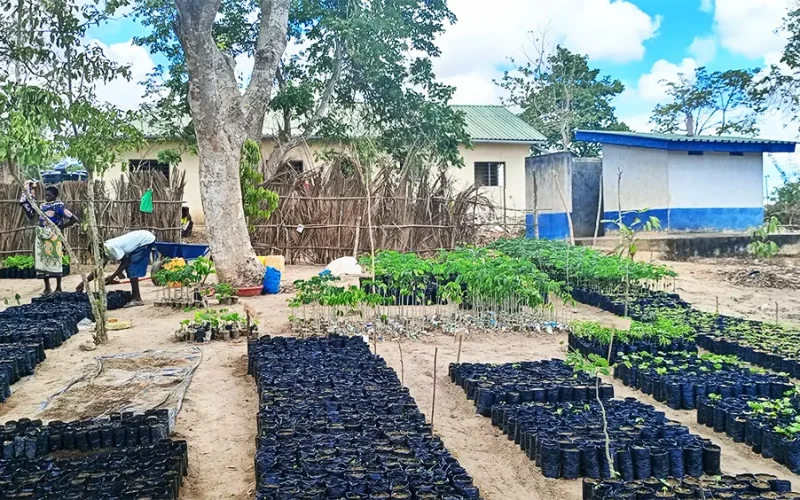
MANY African governments have set ambitious goals to plant trees as a way to combat climate change, restore degraded landscapes and improve livelihoods. The Kenyan government has pledged to plant 15 billion trees by 2032 to increase forest cover in the country to 30%. It has also urged every Kenyan to plant at least 50 trees in cities, degraded rural areas, and on farms. Including trees in smallholder farming systems is particularly important, given the central role of farming in Kenya’s economy and small farms’ vulnerability to climate change. One promising approach is agroforestry, a farming approach where trees, shrubs…
Read More
South Africa’s famous fynbos must be preserved – but burning invasive plants on site isn’t the best strategy

South Africa’s famous fynbos must be preserved – but burning invasive plants on site isn’t the best strategy

INVASIVE plants and trees were introduced to South Africa from as early as the 17th century for a range of commercial, subsistence and ornamental uses. Today, every area of the country has been invaded by a variety of these plants. The most species are found in the Western Cape, Eastern Cape and KwaZulu-Natal provinces, and major urban centres. Invasive plants such as Port Jackson, black wattle and gum trees threaten the country’s water security by using up too much water. They also fuel fires by adding biomass into the ecosystem, particularly those ecosystems where trees would not naturally grow. Invasive…
Read More
Green skills to help nature repair itself are scarce: what we’re doing to train more experts in South Africa and Senegal

Green skills to help nature repair itself are scarce: what we’re doing to train more experts in South Africa and Senegal

AFRICA’S population is growing. This means more landscape change and development of supporting infrastructure. Ecosystems are under pressure, made worse by natural disasters induced by climate change. In response, governments, scientists and environmentalists are turning their attention to nature-based solutions. These are environmental strategies that aim to address environmental damage, including the impact of disasters, climate change, and water and food insecurity. For example, wetlands are a natural resource for humans and create a habitat for wildlife. They filter water and control floods. But they’ve been degraded all over the world, which threatens biodiversity and human livelihoods. Wetland restoration is…
Read More
Lake Victoria is turning green – the deadly bacteria behind it

Lake Victoria is turning green – the deadly bacteria behind it

LAKES, natural and man-made, provide water, food and habitats for wildlife, as well as supporting local economies. Around the world, though, there’s a growing threat to lakes: toxic bacteria which turn the water green. This is the same green as you see on stagnant ponds. It’s caused by tiny organisms called cyanobacteria and can be deadly. Cyanobacteria thrive in warm, sunny lakes and ponds that contain excess nitrogen and phosphorus nutrients derived from fertiliser, manure and sewage. When conditions are right, cyanobacteria multiply rapidly and form smelly green scum on the water’s surface. Known to science as cyanoHABs (cyanobacterial harmful…
Read More
Has finance for green industry had an impact in Africa? What’s happened in 41 countries over 20 years

Has finance for green industry had an impact in Africa? What’s happened in 41 countries over 20 years

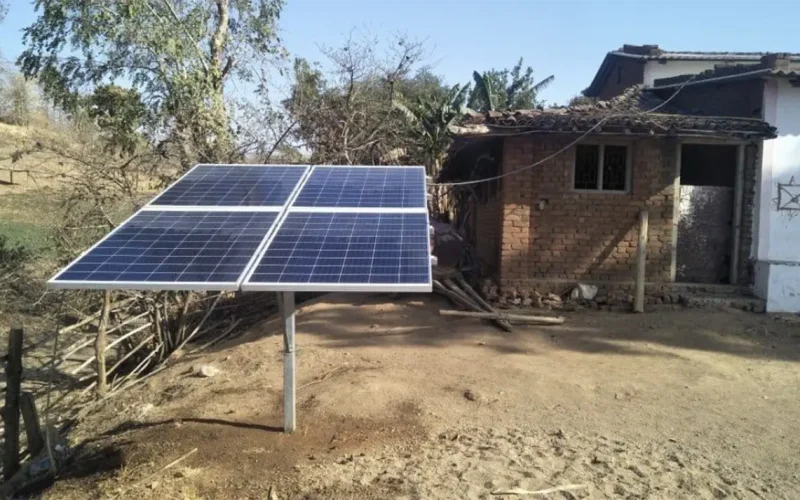
THE African continent finds itself in a predicament. Advanced economies in the rest of the world developed through industrialisation: their economies transformed from mainly agricultural to industrial. This involved burning fossil fuels like coal, generating greenhouse gas emissions that caused global warming. African economies have trailed behind industrially. They’re now industrialising at a time when the world is moving away from fossil fuels and towards solar power, wind energy and hydropower. Africa has 60% of the world’s best solar resources but only 1% of the world’s installed solar power systems. Despite renewable energy capacity nearly doubling in the last decade,…
Read More
Sustainable economic growth in South Africa will come from renewables, not coal: what our model shows

Sustainable economic growth in South Africa will come from renewables, not coal: what our model shows

COAL-fired power stations produce 85% of South Africa’s electricity, making the country the biggest producer of harmful greenhouse gas emissions in Africa. To move away from coal and meet its commitment to reaching net zero emissions by 2050, South Africa needs to dramatically increase the production of renewable energy. New research by economics associate professor Andrew Phiri looked at the relationship between renewable and non-renewable energy consumption and GDP growth in South Africa to find out which energy source is most compatible with economic development. Non-renewables, renewables and economic growth: what’s there to know? We set out to discover whether…
Read More
Green hydrogen is a clean fuel, but South Africa’s not ready to produce it: energy experts explain why

Green hydrogen is a clean fuel, but South Africa’s not ready to produce it: energy experts explain why

EVERY day, millions of engines and factories burn fossil fuels, releasing carbon dioxide – a greenhouse gas that traps heat in Earth’s atmosphere and contributes to climate change. Now imagine a clean fuel that does not pollute and produces only water as waste. That’s the promise of green hydrogen, which is made by using solar and wind power to split water into hydrogen and oxygen. Countries worldwide, including South Africa, see green hydrogen as a vital tool for tackling climate change. There are plans to use green hydrogen in South Africa for everything from producing fertiliser for farms to powering…
Read More
South Africa’s climate battle: mining district exposes gaps in emissions control

South Africa’s climate battle: mining district exposes gaps in emissions control

IN South Africa, the new 2024 Climate Change Act requires local governments to plan responses to global warming. These local authorities should find ways to reduce greenhouse gas emissions where possible, such as from their bus services, and reduce their use of electricity that is produced by burning coal. They also need green buildings and urban areas. These are all examples of climate change mitigation. South Africa’s government is structured into national, provincial and local (municipal) levels. South Africa has 257 municipalities – cities, towns and districts. They are responsible for reducing the impacts of climate change in their areas…
Read More
Nigeria’s plastic bottle collectors turn waste into wealth: survey sheds light on their motivation

Nigeria’s plastic bottle collectors turn waste into wealth: survey sheds light on their motivation

PLASTIC waste in Nigeria presents a dual challenge: cleaning up environmental pollution and tapping into its economic potential. Many countries worldwide face similar challenges. India, for one, has chosen policies that give producers of plastic the responsibility to manage their waste. Rwanda has banned single-use plastic and promoted recycling initiatives led by communities. These approaches show it’s possible to address plastic waste issues while fostering economic opportunities. In Nigeria, informal collectors of plastic bottle waste are central to achieving both of these goals. They turn waste into monetary value. Previous research has highlighted the environmental and economic benefits of collecting…
Read More
Can nature help solve human problems like climate change? Researchers weigh up pros and cons

Can nature help solve human problems like climate change? Researchers weigh up pros and cons

NATURE-BASED solutions use nature to solve environmental problems caused by humans, such as global climate change. But not every ecological project counts as a nature-based solution. Some projects only bring about a slight improvement to the environment, while others even cover up environmental damage. Cornelius Okello and Timothy A. Downing research climate change adaptation and development. They discussed their latest research into nature-based solutions with The Conversation Africa. What are nature-based solutions? Nature-based solutions are inspired by nature or use nature to address problems in society. These problems include food and water shortages, poor health, and environmental degradation. Nature-based solutions…
Read More