Our website use cookies to improve and personalize your experience and to display advertisements (if any). Our website may also include cookies from third parties like Google Adsense, Google Analytics, and Youtube. By using the website, you consent to the use of cookies.

From roadside to table: the “Plastic Man” transforming plastic bottles into eye-catching decor

From roadside to table: the “Plastic Man” transforming plastic bottles into eye-catching decor

THE sound of snipping is audible some way before reaching the fishing settlement of Tezo. It's an unfamiliar sound in a community usually full of household hustle-bustle interrupted only by the occasional boda-boda (motorbike taxi) or the honking of far-off traffic. It's extra-loud because the the material being cut is not cloth, but plastic. The snipping comes from a large pair of scissors in the hands of Raymond Katana, a local artisan, as he wields them to expertly reshape plastic bottles. "Cutting the plastic into shapes is just the start," explained Katana as he used the scissors to fashion flower…
Read More
Planning a holiday? 3 ways to reduce your carbon footprint

Planning a holiday? 3 ways to reduce your carbon footprint

THESE holidays, planet Earth looks likely to be hotter than ever before. Research found that in 2024, global temperatures temporarily rose 1.5°C higher than the average from 1850 to 1900 – a pre-industrial time when the first global temperatures were recorded. This is a huge worry because, to avert the most damaging effects of climate change, global temperatures need to be kept below that 1.5°C increase. Corporations and governments in the global north are the main drivers of carbon emissions and climate change. The concept of a “carbon footprint” was invented by big corporations to try to put the responsibility…
Read More
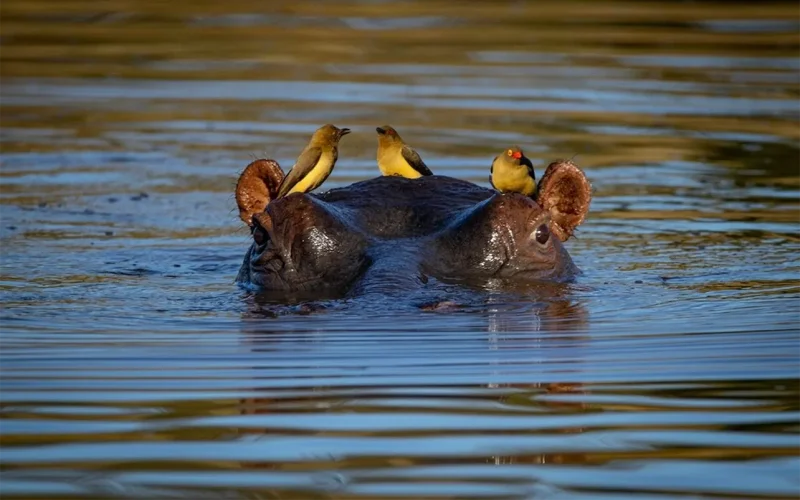
Hippos have been neglected by scientists – that’s why we’re building Africa’s first hippo database

Hippos have been neglected by scientists – that’s why we’re building Africa’s first hippo database

COMPARED with Africa’s other big animals, hippos have been relatively neglected in scientific research. Partly, this is because they’re hard to study and dangerous to encounter. Hippos tend to live in wetland areas often partly submerged in rivers, lakes and swamps – habitats that overlap with areas where people live, farm and fish. Though hippos are plant-eaters and don’t see humans as food, they’re highly territorial and aggressive in water. Along with their huge teeth and sheer size, this makes them one of the deadliest large mammals in the world: around 500 people are killed by hippos each year. Other…
Read More
Cop29: five critical issues still left hanging after an underwhelming UN climate summit in Azerbaijan

Cop29: five critical issues still left hanging after an underwhelming UN climate summit in Azerbaijan

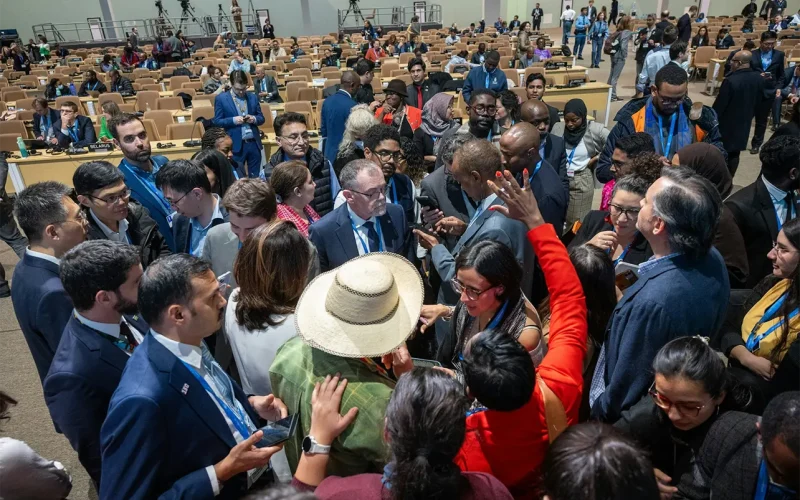
BILLED as the “finance Cop”, the 29th UN climate change summit (otherwise known as Cop29) in Baku, Azerbaijan, was expected to provide the money to enable the transition away from fossil fuels announced at last year’s Cop28. Negotiations were focused on increasing the US$100 billion (£79.4 billion) promised per year by developed countries to help the least developed countries build up their renewable energy capacity. Many demanded a ten-fold increase, as at least US$1 trillion is needed per year. Discussions also centred on who should finance the loss and damage fund agreed upon at COP27, which would compensate developing countries…
Read More
Warming oceans are changing marine habitats – study explores the impact on thousands of species

Warming oceans are changing marine habitats – study explores the impact on thousands of species

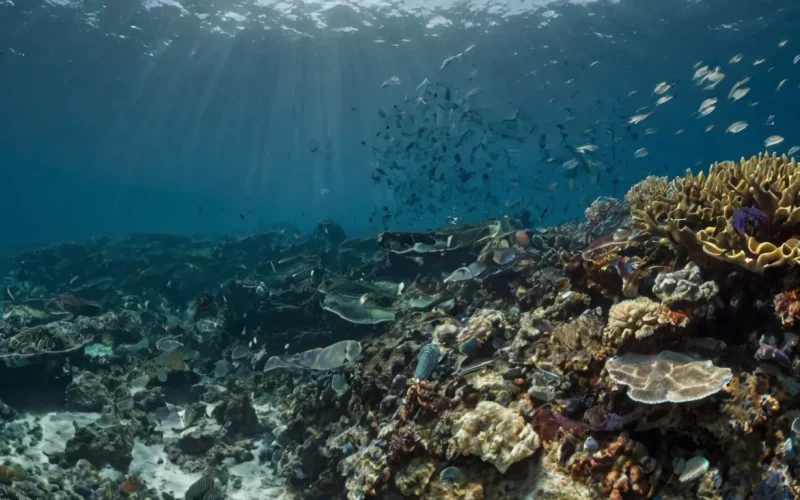
EVERY year, human activities release billions of tons of greenhouse gases into the atmosphere. These gases trap heat from the Sun, making the Earth warmer than it would be without them. Over 90% of the extra heat from greenhouse gases gets absorbed by the ocean, driving marine temperatures to alarmingly high levels. Some estimates suggest that oceans have warmed over 1.5°C since the Industrial Revolution started, more than 250 years ago. Marine organisms are particularly sensitive to warming, partly because they have narrow “thermal safety margins”. This is the difference between the environmental temperature and the maximum temperature an organism…
Read More
“Happy COP”: Only for some

“Happy COP”: Only for some

This story was originally published by The New Humanitarian.By Zeina Shahla THIS was my second Conference of the Parties, after attending COP28 in Dubai. Last year, while struggling to comprehend the complex dynamics of this vast summit, I learned, wide-eyed, that the search for climate justice takes us down a very long and thorny path. This year, moving each day through the huge, fancy event space in and beside Baku stadium, and seeing thousands of people running from one place to another around the clock, I kept asking myself: “Where are we – in Syria, Lebanon, Palestine, and other countries…
Read More
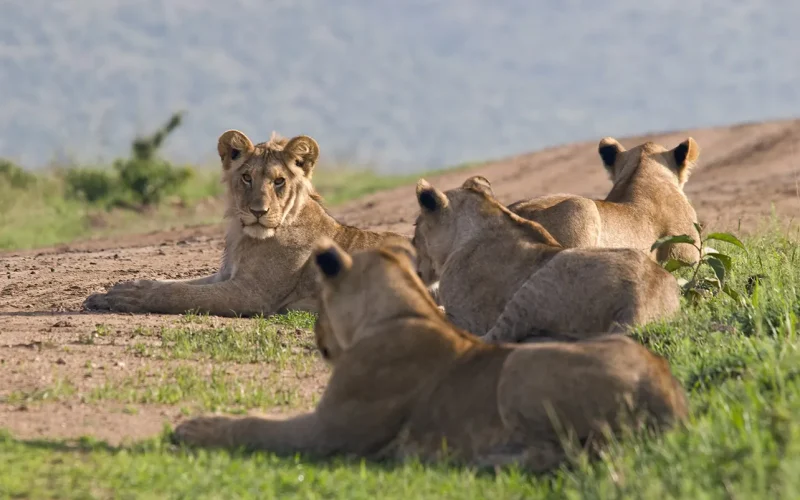
Humans are killing off the old and wise animals that hold nature together. Here’s what must change

Humans are killing off the old and wise animals that hold nature together. Here’s what must change

IN humans and other animals, ageing is generally associated with a decline in biological function. However, scientists are now discovering older animals perform vital roles in populations and ecosystems. Unfortunately, however, old animals can suffer the most from human activity such as over-fishing and trophy hunting. And the value of old, wise animals is not usually considered when we manage animal populations and seek to protect biodiversity. Our new review, published today in Science, draws on evidence from around the world to argue for a new approach called “longevity conservation”. The loss of old and wise animals has devastating global…
Read More
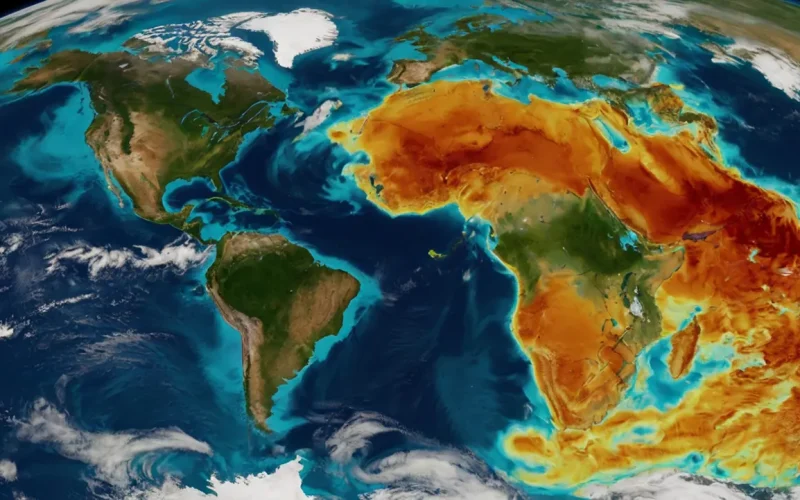
Madagascar’s huge ocean algae bloom was caused by dust from drought-stricken southern Africa

Madagascar’s huge ocean algae bloom was caused by dust from drought-stricken southern Africa

SCIENTISTS have found new evidence that desertification, potentially linked to global warming, leads to large amounts of nutrient-rich dust landing in the sea, causing ocean algae to grow rapidly. Biological oceanographer John A. Gittings and an international group of researchers have found an example of this phenomenon in the Indian Ocean southeast of Madagascar. They analysed satellite images that showed how the colour of the sea in that area had changed over the years. Phytoplankton (microscopic algae found in the oceans) affect the colour of the water when they grow rapidly in response to higher levels of nutrients – including…
Read More
Africa’s youth activists push for sustainable change at COP 29 in Baku, Azerbaijan

Africa’s youth activists push for sustainable change at COP 29 in Baku, Azerbaijan

WITH the world’s largest climate conference, COP29 convening in Baku, Azerbaijan, African youth climate activists at the conference said the event offered a platform for them to share their objectives and vision. According to the activists, COP 29 provides a platform for them to advocate for the issues affecting the continent amidst the urgent environmental and climate challenges affecting their communities. From food security to climate resilience, these young leaders are at the forefront of amplifying the pressing issues that shape their lives and future. “This is a very profound opportunity for me… I think the biggest role for me…
Read More
Climate change: women’s role in the economy is key to a just transition

Climate change: women’s role in the economy is key to a just transition

THE realities of climate change are hitting home for many people living in the global south. Food security, water access and health have been jeopardised by the increased temperatures, extreme weather events and sea level rise. In many places women are the primary caregivers for children, the sick or the elde rly, as well as being responsible for cooking and cleaning in the household. This kind of work can be described as care work, which is often unpaid or underpaid. The impacts of climate change will add to the required care work. This will put a strain on those who…
Read More