Our website use cookies to improve and personalize your experience and to display advertisements (if any). Our website may also include cookies from third parties like Google Adsense, Google Analytics, and Youtube. By using the website, you consent to the use of cookies.

Gas isn’t a good alternative to coal – South Africa should focus on solar, wind and green hydrogen

Gas isn’t a good alternative to coal – South Africa should focus on solar, wind and green hydrogen

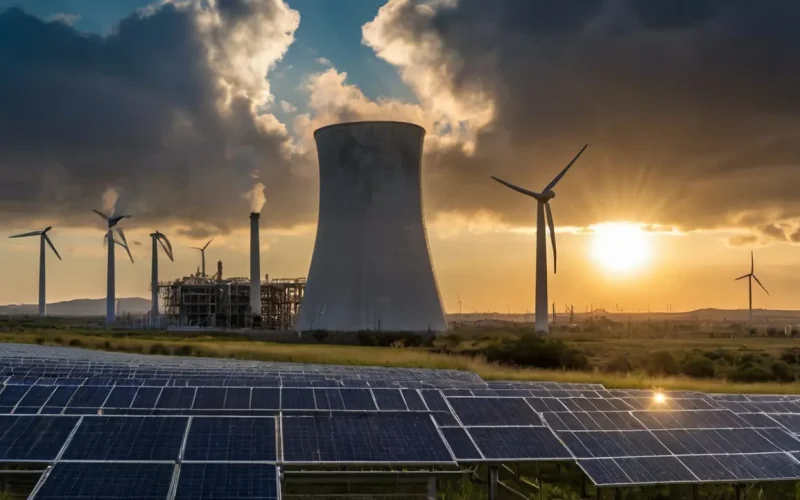
SOUTH Africa is immersed in a “just energy transition” from a fossil fuel-based energy system to a cleaner, low-carbon energy system. This new system will be based primarily on renewable energy, such as solar, wind and green hydrogen. Such a transition is deeply contested. Those with direct and indirect commercial interests in the coal industry will defend their stake. On the other hand, those who could gain from a transition will aim to entrench their new interests in the renewable energy sector. Then there are those who argue that gas is a reasonable compromise between the need to decarbonise and…
Read More
Maasai Mara’s Indigenous forest is disappearing, with drastic consequences

Maasai Mara’s Indigenous forest is disappearing, with drastic consequences

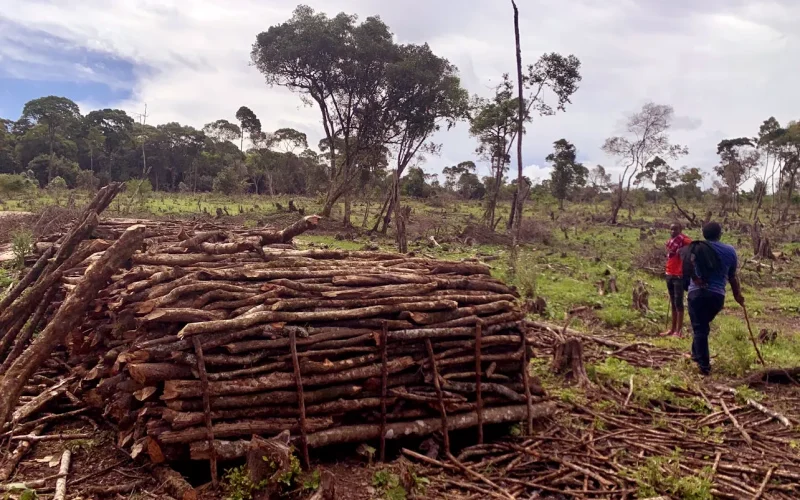
NEXT to the world-famous Maasai Mara National Reserve, an indigenous forest called Nyekweri serves as a sanctuary for elephants, rare birds such as the bright green Schalow’s turaco, a small nocturnal mammal called the tree hyrax and the endangered giant pangolin. Despite its importance as a conservation hotspot and ecotourism destination, Nyekweri is disappearing. Originally, it spanned 500km² but more than 50% of this forest has been cleared within two decades by local communities. If you stroll through the forest today, wisps of smoke linger in the air as charcoal pits smoulder across the landscape. While charcoal burning is illegal…
Read More
Madagascar’s mining rush has caused no more deforestation than farming – new study

Madagascar’s mining rush has caused no more deforestation than farming – new study

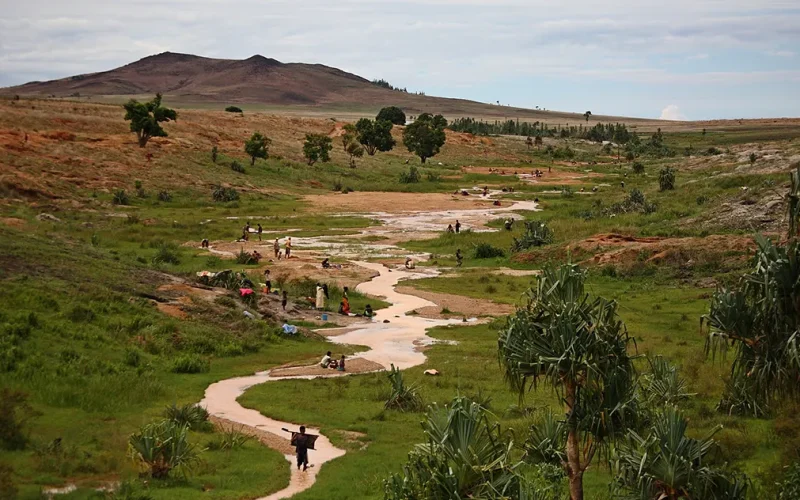
IF tens of thousands of miners turned up in the middle of a protected rainforest to mine for sapphires, you might expect that to cause lots of deforestation and harm local wildlife. Mining has a very bad reputation. It is often assumed to be one of the worst land uses – destroying and polluting the environment and creating barren, moon-like landscapes. Where mining occurs in areas of high biodiversity, it is considered a serious threat. But in the eastern rainforests of Madagascar, over 10,000 people mining for sapphires didn’t cause more damage to the forest than farmers clearing land for…
Read More
Extreme weather is disrupting lives in southern Africa: new policies are needed to keep the peace

Extreme weather is disrupting lives in southern Africa: new policies are needed to keep the peace

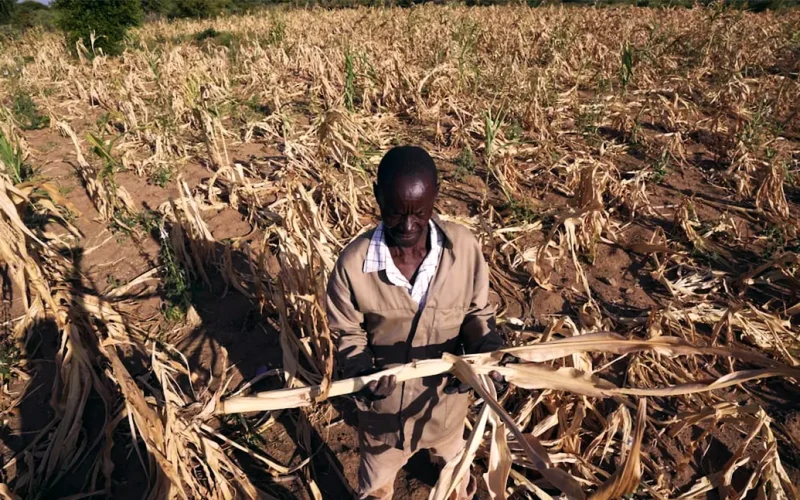
OVER the past decades, heavy and more frequent rainfall and dry spells in southern Africa have caused loss and damage to agriculture, livestock, the energy sector, food security and nutrition. Gender and migration scientist Gracsious Maviza and climate change specialist Siyaxola Gadu talked to The Conversation Africa about how this poses risks to stability and peace in the region. What’s the link between climate, peace and security? There is no direct and linear relationship between climate risks and security. However, the changing climate intensifies socioeconomic problems. These include water scarcity, already precarious livelihoods and food insecurity, poverty, and weak governance.…
Read More
Why we need to talk about older people and climate change in Africa

Why we need to talk about older people and climate change in Africa

AFRICA is often viewed as a relatively young continent, with less than 7% of the population over 60. But this is set to change. Declining fertility rates and increasing life expectancy mean that by 2050, the number of people over 60 in Africa is projected to triple to 235 million (about 9% of the African population). This demographic shift is occurring when global climate change is intensifying, leading to more frequent and severe extreme weather events such as heatwaves, flooding and tropical cyclones. By 2050, older adults in Africa are projected to face significantly higher heat exposure due to rapid…
Read More
Nigeria is the world’s 2nd biggest plastic polluter: expert insights into the crisis

Nigeria is the world’s 2nd biggest plastic polluter: expert insights into the crisis

PLASTIC pollution is a major problem in Nigeria. Recent research identified the country as a plastic pollution hotspot, second to India. India emits 9.3 million tonnes of plastic into the environment each year – one-fifth of the global total. Nigeria emits 3.5 million tonnes annually. Just how big is the issue and what can be done about it? The Conversation Africa has published various articles by academics on the country’s plastic pollution problem and how it should be tackled. Plastic pollution in Nigeria Temitope Sogbamu warns that plastic pollution is a serious problem in Nigeria and can be found wherever…
Read More
South Africa’s green hydrogen hub: EU grants not nearly enough to get industry going

South Africa’s green hydrogen hub: EU grants not nearly enough to get industry going

SOUTH Africa is poised to become a major player in the global energy transition, thanks to its vast renewable energy resources (sun and wind) and its plans for green hydrogen production. Green hydrogen is produced through electrolysis, where renewable electricity splits water into hydrogen and oxygen. Unlike grey hydrogen, which is derived from fossil fuels, green hydrogen emits no greenhouse gases – only water vapour. It is seen as a good alternative to fossil fuels in sectors that are hard to electrify, such as heavy industry, aviation and long-haul transportation. We are chemical engineers, with over five decades of combined…
Read More
Nigerian households use a range of energy, from wood to solar – green energy planning must account for this

Nigerian households use a range of energy, from wood to solar – green energy planning must account for this

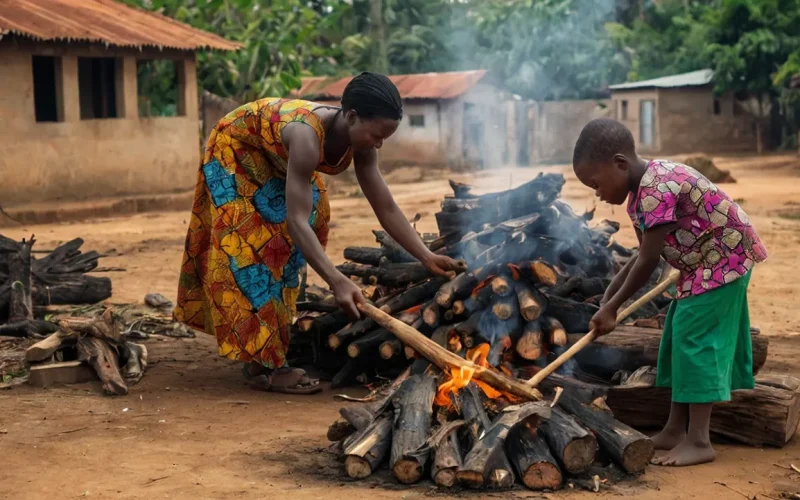
LOW and middle-income countries generally lack access to renewable energy and rely excessively on traditional fuels like firewood and charcoal. In these countries, 2.6 billion people depend mainly on polluting fossil fuels (for electricity) and traditional biomass fuels (such as wood or charcoal for cooking) to meet their daily energy needs. In sub-Saharan Africa, about 67% of households depend primarily on traditional biomass fuels. This heavy dependence exposes people (especially young children) in the region to particulate matter 2.5 (tiny specks of dust, dirt, soot or smoke that people breathe in). About 70% of the population is exposed to this…
Read More
Giant batteries to store wind and solar power can speed up South Africa’s energy transition – how that can happen

Giant batteries to store wind and solar power can speed up South Africa’s energy transition – how that can happen

SOUTH Africa is at a pivotal moment in its energy transition: trying to decarbonise its economy (move away from coal) and make sure that everyone has access to reliable and affordable energy. Storage of renewable energy is very important for this transition. Solar and wind power are not available all the time. To keep the national grid stable, renewable energy must be stored somewhere and supplied reliably. The country has already made strides in integrating renewable energy into its power grid through the Renewable Energy Independent Power Producer Procurement Programme. Since 2010, this has attracted 110 private independent power projects…
Read More
Baobabs: Africa’s unique trees defy climate challenges, continue to flourish

Baobabs: Africa’s unique trees defy climate challenges, continue to flourish

BAOBABS reach extraordinarily old ages. Some have been found to be thousands of years old. During these life spans, elder baobabs have survived erratic climate conditions. As an ecologist who has spent the last 17 years studying baobab, I decided to look specifically at the health of adult baobabs in Southern Africa and then in Africa as a whole, to establish if more recent human-induced climate change has started having an effect on these magnificent trees. Over the course of 2023 I travelled across Botswana, South Africa, Namibia and Zimbabwe visiting baobabs located in the area as well as 13…
Read More