Our website use cookies to improve and personalize your experience and to display advertisements (if any). Our website may also include cookies from third parties like Google Adsense, Google Analytics, and Youtube. By using the website, you consent to the use of cookies.

Africans survived 10,000 years of climate changes by adapting food systems – study offers lessons for modern times

Africans survived 10,000 years of climate changes by adapting food systems – study offers lessons for modern times

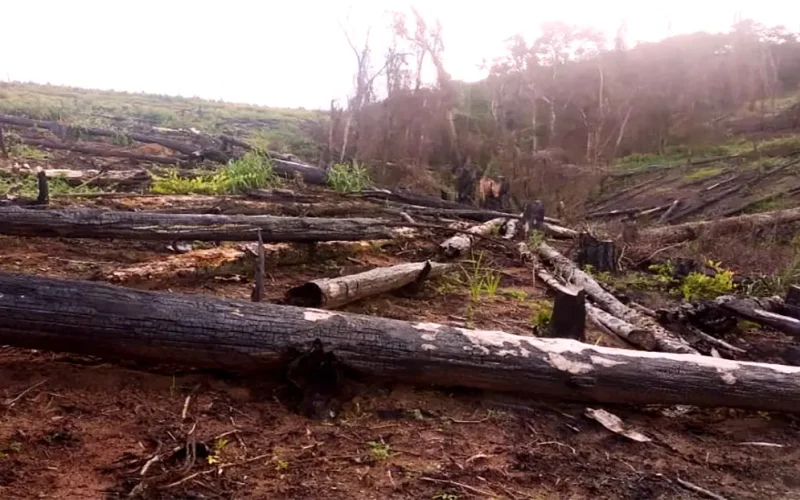
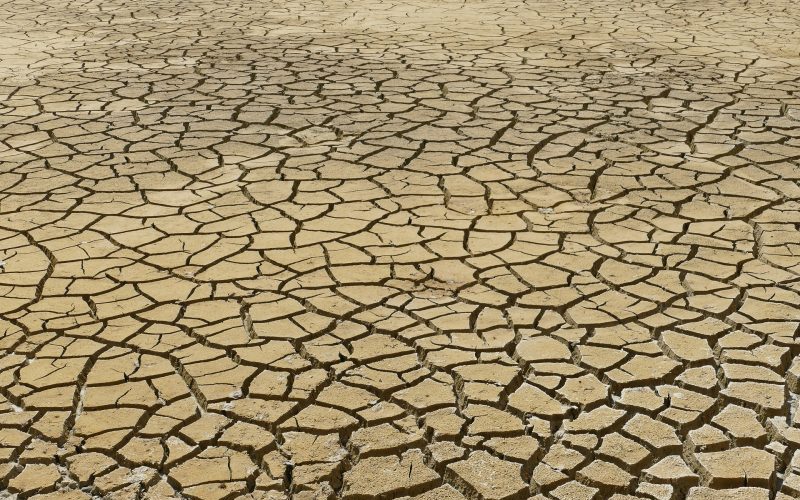
IMAGINE living in a place where a single drought, hurricane, or mudslide can wipe out your food supply. Across Africa, many communities do exactly that – navigate climate shocks like floods, heatwaves, and failed harvests. What’s often overlooked in the development policies to tackle these threats is a powerful source of insight: Africa’s own history. Around 14,700 to 5,500 years ago, much of Africa experienced wetter conditions – a time referred to as the African Humid Period. As wet conditions declined around 5,500 years ago, major social, cultural, and environmental changes ensued across the continent. We’re part of a multidisciplinary…
Read More
Zimbabwe’s lithium is in demand for making batteries: how to make sure benefits flow to the local economy

Zimbabwe’s lithium is in demand for making batteries: how to make sure benefits flow to the local economy

ZIMBABWE has the largest lithium reserves on the African continent. Lithium has been mined since the colonial period in the 1950s. It’s a critical part of rechargeable lithium-ion batteries that are essential for the electric vehicle industry. Globally, the lithium-ion battery market is worth US$78.9 billion and is likely to amount to US$349.6 billion by 2034. In 2021, there was a new lithium rush in Zimbabwe because of increased global demand for the mineral. Today, most of Zimbabwe’s lithium mines are owned by Chinese mining companies like Sinomine, Zhejiang Huayo Cobalt, Chengxin Lithium, Yahua and Canmax. Lithium-ion batteries aren’t made…
Read More
Africa’s plants: a database project has recorded 65,000 species – and is still growing

Africa’s plants: a database project has recorded 65,000 species – and is still growing

THE African Plant Database lists 65,000 species of flowering plants, ferns and conifers found on the African continent and Madagascar. Since 2006, every plant species ever documented in Africa and Madagascar has been included in the massive online database, with about 200 new species added every year. Cyrille Chatelain is a curator at the Geneva Botanical Garden in Switzerland. He’s researched plants in Côte d'Ivoire, Madagascar and north Africa and manages the plant database. Here he explains its importance. What’s been built and why is it so special? The database was developed by the Geneva Botanical Garden in Switzerland –…
Read More
Cape Town’s sewage treatment isn’t coping: scientists are worried about what the city is telling the public

Cape Town’s sewage treatment isn’t coping: scientists are worried about what the city is telling the public

URBAN water bodies – rivers, lakes and oceans – are in trouble globally. Large sewage volumes damage the open environment, and new chemicals and pharmaceutical compounds don’t break down on their own. When they are released into the open environment, they build up in living tissues all along the food chain, bringing with them multiple health risks. The city of Cape Town, South Africa, is no exception. It has 300km of coastline along two bays and a peninsula, as well as multiple rivers and wetlands. The city discharges more than 40 megalitres of raw sewage directly into the Atlantic Ocean…
Read More
Nigeria’s Hadejia wetlands are a vital stopover for migrating birds: new survey records species found in the park

Nigeria’s Hadejia wetlands are a vital stopover for migrating birds: new survey records species found in the park

THE Hadejia Wetlands National Park in north-western Nigeria is a vital ecological treasure, designated as both a globally important wetland (Ramsar site) and an Important Bird Area, a site recognised internationally for conserving birds. Spanning 297km², the Hadejia Wetlands National Park is a mosaic of woodlands, wetlands and seasonally flooded marshes. It provides refuge for thousands of resident and migratory birds and is a key breeding site for waterfowl that migrate from Europe and Asia in the winter to sub-Saharan Africa. The park is recognised for its role in supporting biodiversity and local livelihoods but faces increasing threats from deforestation,…
Read More
African women are key to fighting climate change – these are the green skills they will need

African women are key to fighting climate change – these are the green skills they will need

WOMEN are an important and often underutilised human resource in Africa. They’ve faced many problems historically. Limited access to land, finance, education, and decision-making platforms have meant that women across Africa haven’t been able to take part fully in the green economy. A green economy enhances well-being and social equity while reducing environmental risks. It demands that people use fewer resources to create more. With the world moving towards renewable energy and finding ways to adapt to climate change, new sectors of work are opening up. With access to green skills, women’s productivity in the green economy could triple. This…
Read More
Rwanda’s healers and gardeners are preserving local plant knowledge

Rwanda’s healers and gardeners are preserving local plant knowledge

ANGELIQUE Nyirantwari, a traditional healer, carefully clipped a stalk of igisura (Urtica massaica) planted in her garden, avoiding the leaves’ burning sting. She moved with the quiet precision of someone who has carried this knowledge throughout her life, carefully cutting the leaves for her neighbour. At 55, she still learns daily, and each plant is a chapter in a lifelong study of healing. “Every plant is a medicine,” she said. Nyirantwari, a mother of two from Rukira in Rwanda’s eastern province, has mastered over 200 medicinal plants. Her journey began at six years old, guided by her father, who taught…
Read More
Zambia runs on mostly green power, but households use polluting cooking fuel: study suggests how to fix this

Zambia runs on mostly green power, but households use polluting cooking fuel: study suggests how to fix this

ZAMBIA, like many African countries, is facing a crisis over clean cooking fuel. Over 80% of the population still relies on polluting fuels like charcoal and firewood. This exposes families to toxic indoor air, deepens poverty and gender inequality, drives deforestation, and adds to climate change. Globally, air pollution from cooking using fuelwood, coal, and dung contributes to over 3.2 million premature deaths each year, including 237,000 children under five. In Zambia, having electricity at home does not automatically lead to cleaner cooking. In the global south, electricity only starts to support clean cooking once national access rates exceed 80%.…
Read More
South Africa’s big rooftops could power 6 million homes: how to make it happen

South Africa’s big rooftops could power 6 million homes: how to make it happen

SOUTH Africa has many factories, warehouses, schools and hospitals – big buildings with large rooftop spaces. In such a sunny country, these flat surfaces would be perfect for large photovoltaic solar systems that could generate enough renewable energy to supply themselves, and feed into the national grid. This would reduce the amount of coal that South Africa’s national electricity provider would need to burn. Renewable energy engineer and PhD candidate Mamahloko Senatla-Jaane was part of a team who researched how commercial buildings could be set up to serve as strategic assets for decarbonisation and increase the security of South Africa’s…
Read More
Mauritius is facing a water crisis: harvesting water from its rivers with 10 reservoirs can help – research

Mauritius is facing a water crisis: harvesting water from its rivers with 10 reservoirs can help – research

MAURITIUS’s water supplies are running very low. As a small island, it is affected by tropical cyclones, rising temperatures, rising sea levels, and a warming ocean. Rainfall levels have decreased by 8% over the last 10 years. The country’s reservoirs are currently only about 38.2% full, down from 92.6% in February 2024. The population has increased from 479,000 in the 1950s to over 1.26 million in 2022. The bigger demand for water has placed pressure on already strained resources. Droughts in Mauritius are predicted to become more severe and frequent. This will trigger serious water shortages that will disrupt farming…
Read More