Our website use cookies to improve and personalize your experience and to display advertisements (if any). Our website may also include cookies from third parties like Google Adsense, Google Analytics, and Youtube. By using the website, you consent to the use of cookies.

Those responsible for Sudan’s war have no business being involved in the peace

Those responsible for Sudan’s war have no business being involved in the peace

THE UN General Assembly has ended. Coverage was devoted to the French president being stuck on New York sidewalks due to the passage of the US president’s convoy; to the US president lambasting the UN for a faulty escalator and a stalled teleprompter; to the same US president’s erroneous remarks about (among so many other things) solar and wind power. But many things happened at UNGA besides the weird and wonderful. Lip service was paid to the ongoing atrocities and outrages in Palestine, Sudan, and Ukraine. Beyond the lip service, however, there did seem (finally!) to be some energy on…
Read More
South Africans who blow the whistle face retaliation and murder: their stories over five decades

South Africans who blow the whistle face retaliation and murder: their stories over five decades

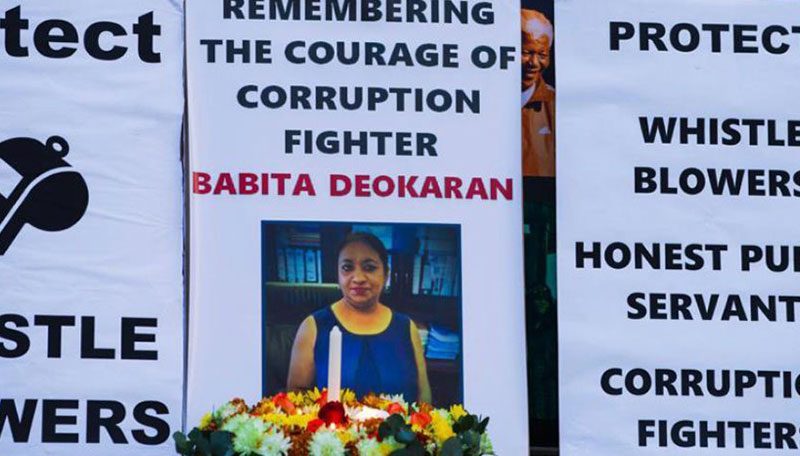
SOUTH Africa’s long history of wrongdoing spans from Willem Adriaan van der Stel’s days of running a corrupt trading monopoly to present-day South Africa. Van der Stel was the second Governor of the Cape Dutch Colony, from 1699 to his removal in 1707. Whistleblowers have been at the core of exposing these instances of corruption. Public whistleblowing was rare under apartheid (1948-1994). But with the transition to democracy, the reporting of wrongdoing increased. This can largely be attributed to a new constitution that caters for all the country’s citizens, and new laws that reinforced their rights. One such law is…
Read More
Edson Sithole: new book uncovers the work of a thinker, lawyer and Zimbabwean freedom fighter who ‘disappeared’

Edson Sithole: new book uncovers the work of a thinker, lawyer and Zimbabwean freedom fighter who ‘disappeared’

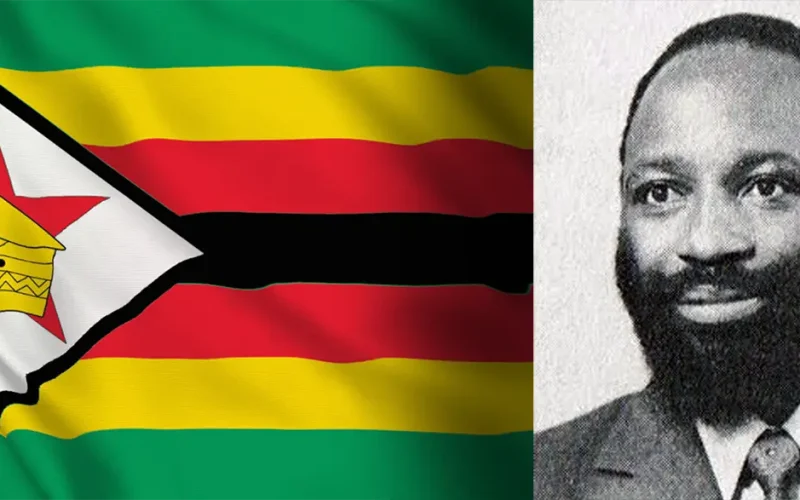
EDSON Sithole was born in what was then Southern Rhodesia in 1935. He was the first black person in southern Africa to obtain a Doctor of Laws degree. He was the second black person in the country (which became Zimbabwe in 1980) to qualify as a lawyer, and co-founded Rhodesia’s African Bar Association in 1973. Sithole was an anti-colonial nationalist. He was “disappeared” alongside his secretary, Miriam Mhlanga, in downtown Salisbury (present-day Harare) 50 years ago. Brooks Marmon, a historian of Zimbabwe’s liberation struggle, has compiled and edited a forthcoming collection of Sithole’s writings, speeches and interviews. Who was Edson…
Read More
South Africa’s collaborative answer to fighting substandard and falsified medical products

South Africa’s collaborative answer to fighting substandard and falsified medical products

ON 30 September 2025, South Africa took a decisive step in defending the health of its people. The country launched our National Action Plan (NAP) to combat substandard and falsified (SF) medical products which is a plan that has been almost a year in the making, built on consultation, collaboration, and a simple yet urgent truth which is that fake medicines are not just a nuisance, they are a deadly threat to public health, the economy, and our collective trust in healthcare systems. The milestone reached, therefore, should not be treated as another bureaucratic achievement. It must be understood for…
Read More
Those responsible for Sudan’s war have no business being involved in the peace

Those responsible for Sudan’s war have no business being involved in the peace

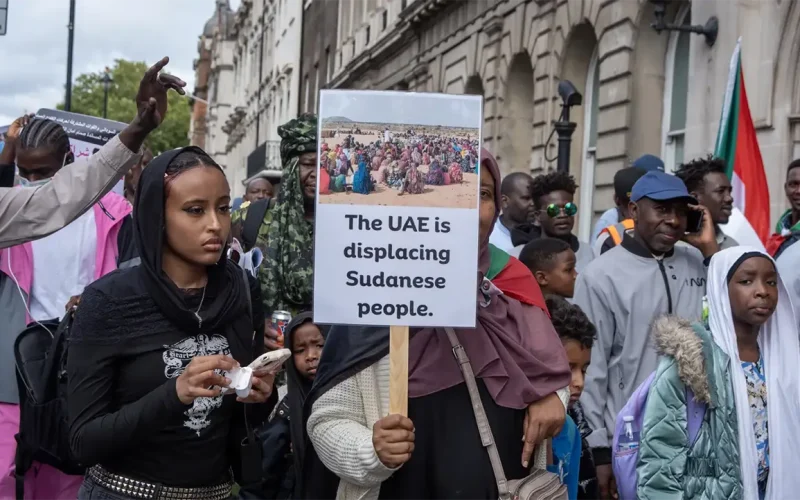
THE UN General Assembly has ended. Coverage was devoted to the French president being stuck on New York sidewalks due to the passage of the US president’s convoy; to the US president lambasting the UN for a faulty escalator and a stalled teleprompter; to the same US president’s erroneous remarks about (among so many other things) solar and wind power. This story was originally published by The New Humanitarian.By Muthoni Wanyeki But many things happened at UNGA besides the weird and wonderful. Lip service was paid to the ongoing atrocities and outrages in Palestine, Sudan, and Ukraine. Beyond the lip…
Read More
A fresh look at African women on the move

A fresh look at African women on the move

MORE African women are crossing borders to drive trade, expand education, and strengthen cultural exchange, challenging the decades-old framing of migration as desperate journeys through deserts or perilous boat rides in search of elusive opportunities abroad. For years, women have largely been portrayed as vulnerable or displaced. But a fresh perspective from African Women in Media (AWiM), a pan-African network of journalists founded by Nigerian media scholar, captured through 25 investigative reports, is shifting the narrative to show how women’s mobility is reshaping economies and enriching communities across the continent. The reports, commissioned under the ‘Move Africa’ project in partnership…
Read More
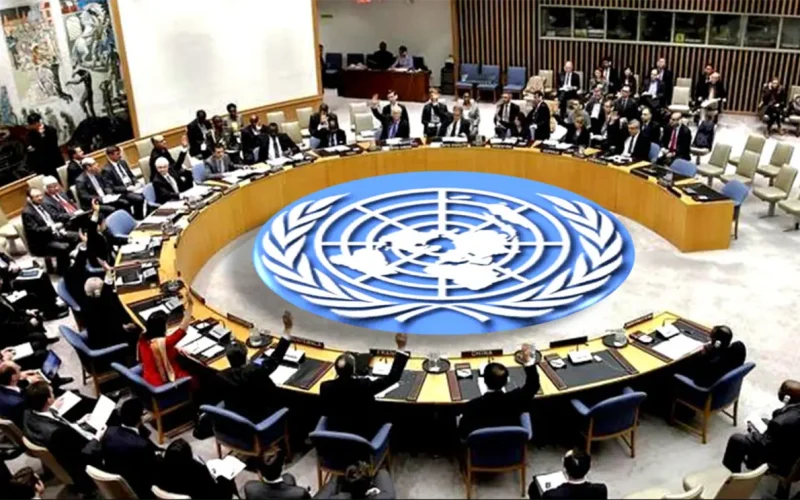
It is time to trim US power at UN Security Council, grant Africa permanent seat

It is time to trim US power at UN Security Council, grant Africa permanent seat

NEARLY eight decades after its creation, calls for reform of the United Nations Security Council (UNSC) seem more realistic and timely. At this year’s 80th session of the United Nations General Assembly (UNGA), leaders from the Global South, the Caribbean and Eastern Europe renewed their demands for Africa’s permanent representation on the United Nations Security Council (UNSC), arguing that the Council’s outdated structure marginalises a continent central to today’s global challenges. This exclusion of Africa from the UN’s top decision-making body is not just an oversight but structural racism baked into global governance. Since 1945, the UNSC power-sharing model has…
Read More
Nigeria at 65: a long road to economic freedom

Nigeria at 65: a long road to economic freedom

NIGERIA turns 65 on 1 October 2025, having obtained independence from Britain on 1 October 1960. After military coups and an annulled election of 12 June 1993, which led to military rule, the current democratic journey commenced on 29 May 1999. The Bola Ahmed Tinubu government, which assumed office on 29 May 2023, identified some key areas as its focus. These are economic growth, national security, food security, and sustainable development. Others are infrastructure growth, education, health and social investment, industrialisation and improved governance. The economic reforms have been underpinned by the removal of the fuel subsidy and the unification…
Read More
South Sudan is unstable: how a weak state benefits the ruling elite

South Sudan is unstable: how a weak state benefits the ruling elite

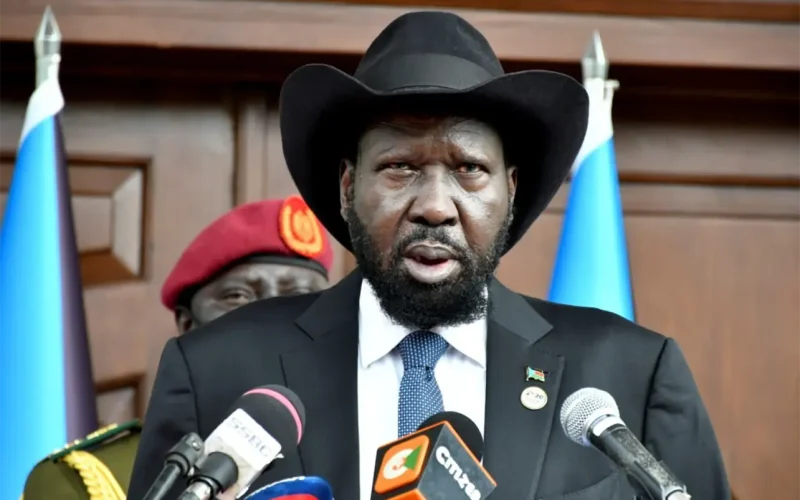
SALVA Kiir, the president of South Sudan, met with then US president Barack Obama at the White House in 2011 to discuss the future of the newly independent state. Officials seated at the table were eager to hear about the vision for the political stability of the new country. But when Obama asked Kiir about his plan, Kiir turned to his chief advisor for an answer. In my view, Kiir has never – then, or since – had a vision or plan to unify the country. This view is informed by my decades of research on the country and on-the-ground…
Read More
Tanzania’s social media clampdown and the elections – what’s at risk

Tanzania’s social media clampdown and the elections – what’s at risk

SOCIAL media platforms like WhatsApp, Instagram, Facebook and X have transformed political dialogue and activism in Tanzania. The democratisation of political expression has especially empowered young voters and activists to challenge government actions and champion causes such as human rights, the release of political prisoners, and electoral reforms. This is significant in a country politically dominated by one ruling party since its independence in 1961. The government has responded by frequently clamping down on social media through arrests, mass content removals and platform-specific shutdowns. This is in addition to direct controls over media outlets. Media and communication scholar Leah Mwainyekule…
Read More