Our website use cookies to improve and personalize your experience and to display advertisements (if any). Our website may also include cookies from third parties like Google Adsense, Google Analytics, and Youtube. By using the website, you consent to the use of cookies.

A thousand wrongs…

A thousand wrongs…

A friend of mine is one of those (annoying?) people who seem to know everything and have the facts to back it up. Over the years, we’ve had many debates where I relied on what felt obvious, what was everywhere around me. He would patiently listen, then remind me of the old saying: “A thousand wrongs don’t make a right.” And often, annoyingly, he was right. In other words, just because something is repeated, reinforced, and accepted doesn’t mean it is true. His words have never felt more relevant than when it comes to how we see the world -…
Read More
A Tribute to Tshidi Madia: Voice of truth and accountability

A Tribute to Tshidi Madia: Voice of truth and accountability

JOVIAL RANTAO THE airwaves have fallen silent where once a powerful voice rang out with clarity, conviction, and unwavering integrity. Tshidi Madia, whose name became synonymous with fearless journalism and incisive political analysis, has left us after a brief illness, leaving behind a legacy that will echo through the corridors of South African media for generations to come. In a profession where many chase headlines, Tshidi chased truth. Her voice on the radio was more than just sound waves cutting through the static - it was a beacon of clarity in the often murky waters of political discourse. When she…
Read More
Christians and the British empire: how a church NGO got entangled in colonial violence in Kenya

Christians and the British empire: how a church NGO got entangled in colonial violence in Kenya

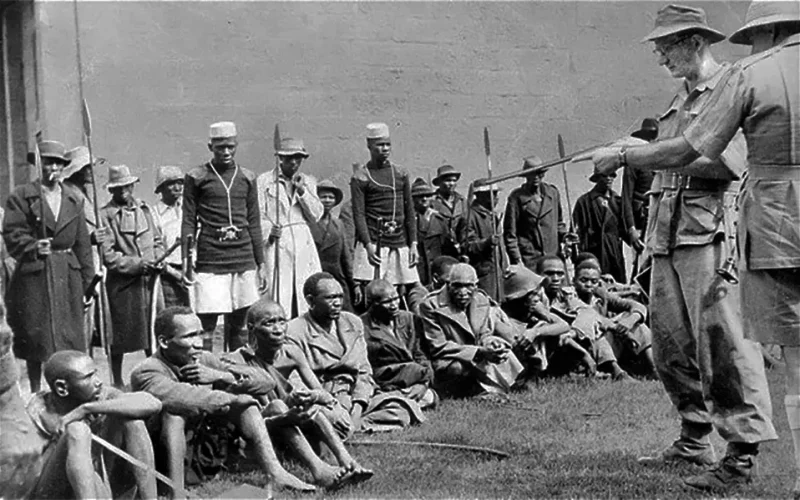
IN the 1950s, Kenyans fought against colonial control in what came to be known as the Mau Mau rebellion. In response, the British government announced a state of emergency in 1952 and engaged in a brutal counter-insurgency campaign to secure control of colonial Kenya. During the emergency, tens of thousands of Kikuyu, Embu and Meru – tribal groups predominantly from central Kenya – were detained without trial in camps. These detention camps relied on torture sanctioned by the government to get detainees to renounce their nationalistic ambitions. More than one million other Kenyans were forcibly relocated into new and controlled…
Read More
Namibia celebrates independence heroes, but glosses over a painful history

Namibia celebrates independence heroes, but glosses over a painful history

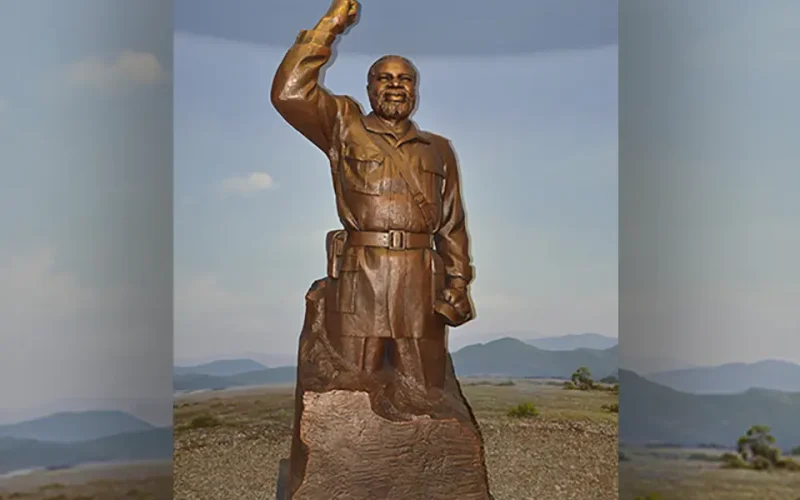
NAMIBIA celebrates 26 August as Heroes’ Day. It recalls the first military encounter between the South African army and members of the South West Africa People’s Organisation (Swapo), Namibia’s liberation movement, in 1966. Initially a German colony (1884-1915), the country was then administered by South Africa, which refused to give up the occupation. Since independence in 1990, the heroic Swapo liberation narrative has also been inscribed in Heroes’ Acre, a monument built by North Korea. The institutionalised public commemoration in Namibia today – rightly – recalls the sacrifices of those who were willing to fight for self-determination. At the same…
Read More
Enslaved Africans, an uprising and an ancient farming system in Iraq: study sheds light on timelines

Enslaved Africans, an uprising and an ancient farming system in Iraq: study sheds light on timelines

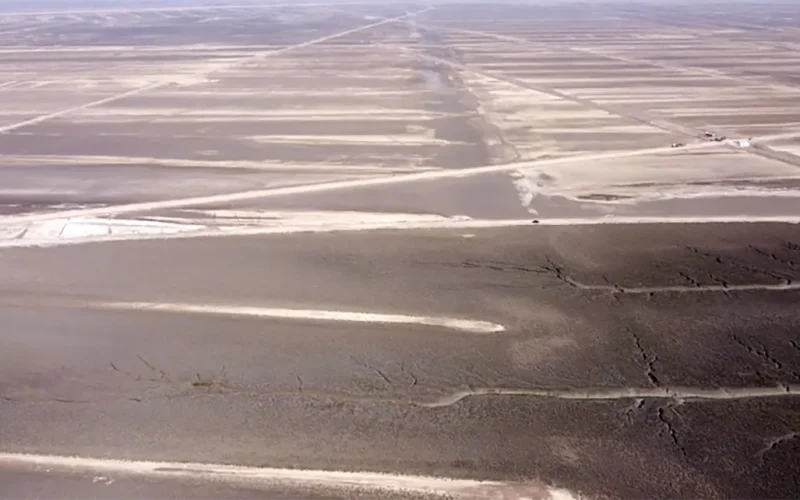
WRITTEN accounts tell the story of the Zanj rebellion – a slave revolt that took place in the late 9th century in southern Iraq. Some of the rebels were enslaved Africans working in various sectors of the local economy. Thousands of ridges and canals still stand today across a floodplain in southern Iraq. They’ve long been believed to be the remains of a massive agricultural system built by these enslaved people. Creating them and farming here could have been what drove the rebellion that’s often thought to have led to the rapid decline of the historic city of Basra and…
Read More
Nigeria’s public spaces neglect the country’s rich cultural traditions – why this matters

Nigeria’s public spaces neglect the country’s rich cultural traditions – why this matters

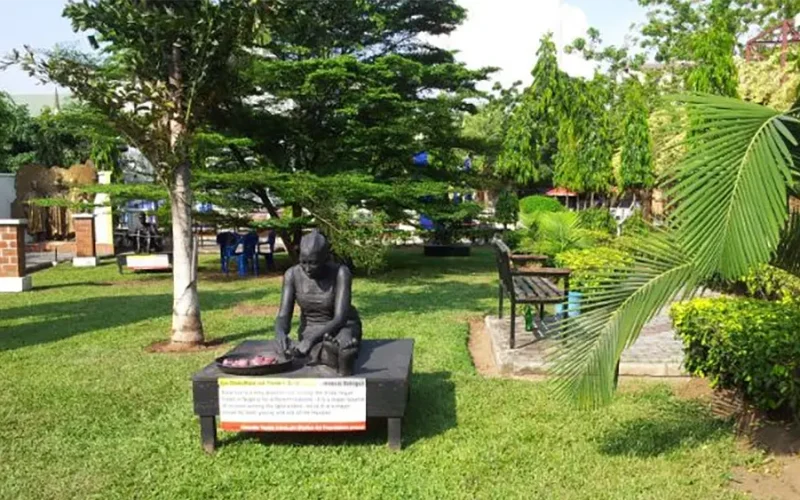
OPEN spaces such as parks, gardens and public squares play an important role in city life. They offer places where people can relax, meet others, and take part in community activities. They are key to building strong and sustainable communities in growing urban areas. As cities expand and global landscape design styles become more common, however, the bond between people and their everyday environments is weakening. In Nigeria, the design of contemporary public open spaces has often put visual appeal ahead of the socio-cultural values that give meaning to community life. Landscapes tend to follow western garden aesthetics, marked by…
Read More
Young South Africans don’t bother with elections: would lowering the voting age make a difference?

Young South Africans don’t bother with elections: would lowering the voting age make a difference?

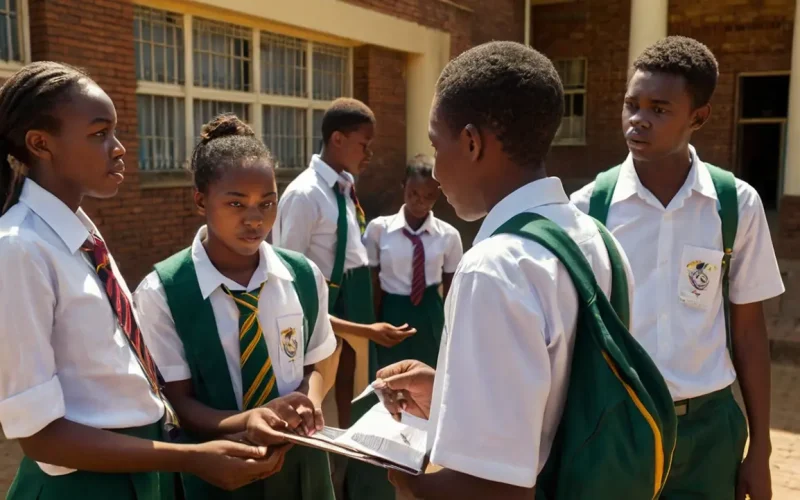
SOUTH Africa is due to hold local government elections in 2026. In the last election in 2021, only 15% of the eligible voters aged 18 to 21 registered for the election. In view of this, it’s worth considering whether the minimum voting age of 18 years should be reduced to increase participation. What are the main driving forces for such a consideration? Based on international comparisons, how advisable would it be? What would be some of the implications of such a change for elections in South Africa? The South African Constitution does not state explicitly that the voting age is…
Read More
South Africa has chosen a risky approach to global politics: 3 steps it must take to succeed

South Africa has chosen a risky approach to global politics: 3 steps it must take to succeed

SOUTH Africa finds itself in a dangerous historical moment. The world order is under threat from its own primary architect. The US wants to remain the premier global political power without taking on any of its responsibilities. This dangerous moment also presents opportunities. South Africa’s response has been one of strategic autonomy. This involves taking independent and non-aligned positions on global affairs to navigate between competing world powers. But South African policymakers lack the political acumen and bureaucratic ability required to navigate this complex global order and to exploit the new possibilities. Strategic autonomy is not the norm in global…
Read More
Stop Talking, Start Enforcing: Why South Africa Needs Law, Not Another Dialogue

Stop Talking, Start Enforcing: Why South Africa Needs Law, Not Another Dialogue

THIRTY years into our democracy, South Africa stands at a crossroads. Not the kind that requires more committees, consultations, or clever conversations. The kind that demands a choice between order and chaos, between the rule of law and the law of the jungle. And right now, we're choosing badly. President Cyril Ramaphosa's national dialogue represents everything that's wrong with our current approach to governance: when faced with a crisis, talk about it. When confronted with lawlessness, commission a study. When communities are burning with rage over service delivery failures, organise a workshop, call it a national dialogue. Enough. South Africa…
Read More
Tanzania’s independence leader Julius Nyerere built a new army fit for African liberation: how he did it

Tanzania’s independence leader Julius Nyerere built a new army fit for African liberation: how he did it

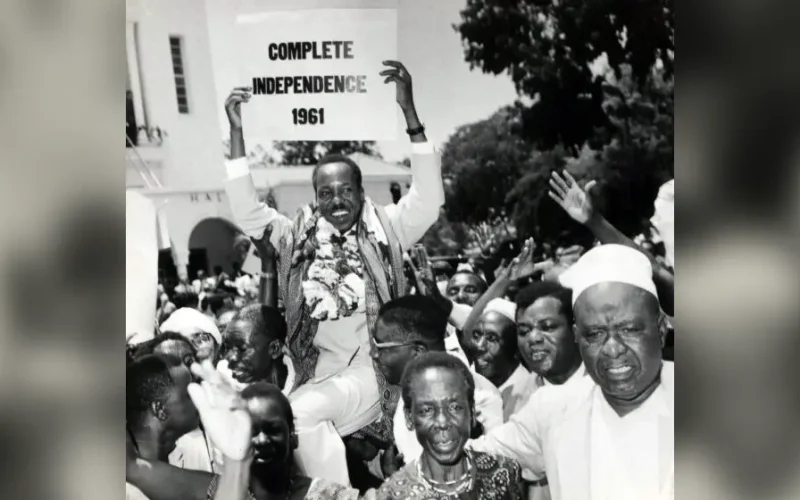
TANZANIA has long enjoyed a reputation as a peaceful country. In contrast to most of its neighbours, this East African nation of 67 million people has largely avoided large-scale violence within its borders. That didn’t seem likely in the early years after independence from Britain in December 1961. A little over two years into independence – in January 1964 – the founding president, Julius Nyerere, faced two political crises. The first started on 12 January 1964 in the form of the Zanzibar Revolution. Weeks of violence and destruction by Afro-Shirazi Party members followed. As many as 16,000 Zanzibaris were killed…
Read More