Our website use cookies to improve and personalize your experience and to display advertisements (if any). Our website may also include cookies from third parties like Google Adsense, Google Analytics, and Youtube. By using the website, you consent to the use of cookies.

From Scarcity to Opportunity: Botswana’s vision for water security and economic transformation

From Scarcity to Opportunity: Botswana’s vision for water security and economic transformation

IN Botswana, we know the sting of scarcity intimately. As a semi-arid country, we have learned that every drop counts. We are a water-scarce nation due to arid and semi-arid climatic conditions across most of our territory, coupled with inadequate water supply sources and services. In recent years, water shortages have persisted as demand grows, exacerbated by the relentless effects of climate change. Climate variability and uncertainty bring extreme events such as droughts and unpredictable rainfall patterns, challenging our people's conventional food production methods and our potable water supply, which relies heavily on annual rainfall. Our groundwater resources have also…
Read More
Kenya’s 1950 Kolloa massacre: Britain won’t own up to its colonial violence but communities need closure

Kenya’s 1950 Kolloa massacre: Britain won’t own up to its colonial violence but communities need closure

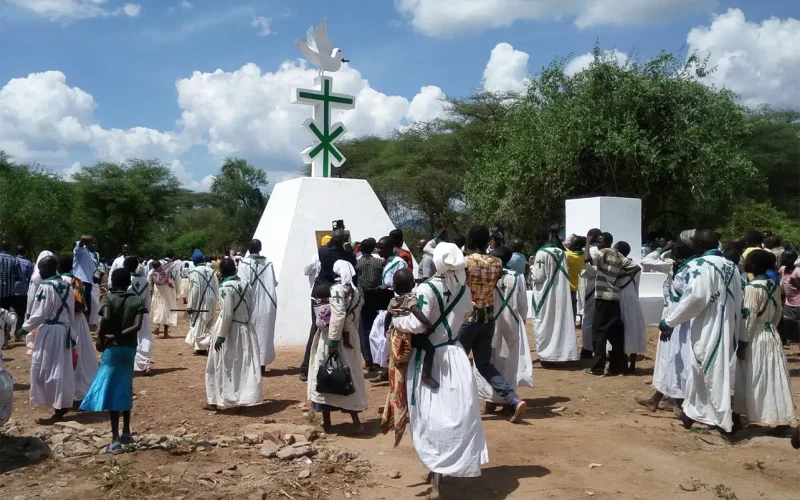
IN 1950, British forces killed at least 29 civilians in one of the deadliest, but least chronicled, episodes of colonial violence in Kenya. Armed soldiers killed at least 29 civilian members of Dini ya Msambwa, a spiritual and anti-colonial movement in Kenya active around what is now West Pokot county in the north-western region. Survivors describe the group’s gathering on 24 April 1950 as a peaceful one. However, British colonial forces, fearing a potential uprising, violently confronted the group at the Kolloa trading centre. It led to one of the highest numbers of deaths in a single day in a…
Read More
The international order is shifting: African countries have an opportunity to reshape global power relations

The international order is shifting: African countries have an opportunity to reshape global power relations

FOR too long, Africa’s agency has been exercised defensively: managing expectations, preserving stability, reacting to external scripts. The continent has copied political systems from other countries and prioritised economic choices that would meet external obligations, such as repaying debt. This posture was understandable immediately following independence in African states. At that time, the world was shaped by cold war constraints and conditions imposed by those who provided aid and set up structural adjustment programmes. But we are now in a different moment. The international order is shifting fast. Multilateralism is fraying. Former rule-makers are bypassing the rules. For instance, World…
Read More
Are African countries aware of their own mineral wealth? Ghana and Rwanda offer two very different answers

Are African countries aware of their own mineral wealth? Ghana and Rwanda offer two very different answers

IMAGINE running a business for over a century without knowing what’s in your warehouse. That’s essentially what many African countries are doing with their mineral wealth. Governments across the continent still have very little knowledge of what lies beneath their soil. Between the 18th and 20th centuries, European colonial powers exploited African mineral wealth for their industrialisation. Post-independence, many African nations nationalised their mining sectors. International pressure led to privatisation in the 1980s. This weakened the motivation and capacity of governments to develop long-term strategies. They have more incentive to export minerals for foreign exchange in the short term. As…
Read More
Côte d’Ivoire’s sacred talking drum is coming home: lessons from Kenya on how it could transform lives

Côte d’Ivoire’s sacred talking drum is coming home: lessons from Kenya on how it could transform lives

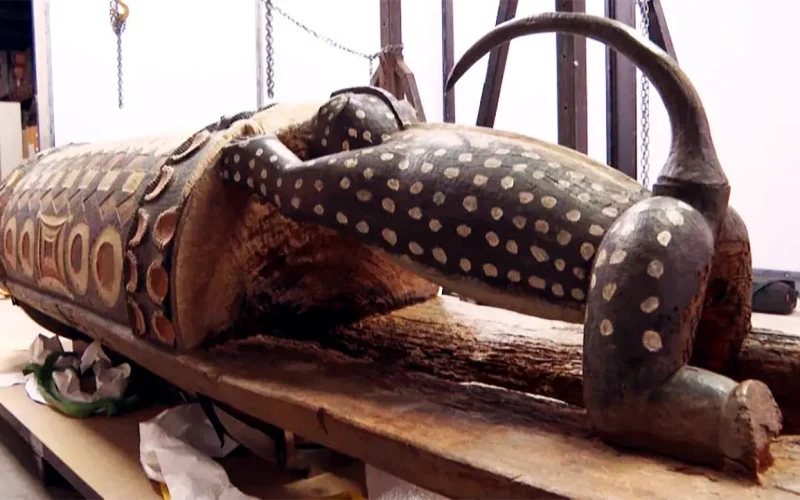
THE French parliament has unanimously passed a law to return the Djidji Ayôkwé, a sacred talking drum stolen by colonial forces from Côte d’Ivoire in 1916. Once used by the Ebrié people in the coastal south of the country to summon gatherings, announce royal messages and anchor community identity, the large wooden carved drum will soon be back home. There, it will not just be a relic, but a vessel of collective memory and dignity. I’m a teacher of peace and conflict studies whose research often focuses on the role of museums and art exhibitions in helping bring unity. As…
Read More
Liberation Icon Molefe Pheto – The Bull from Moruleng – Dies at 90

Liberation Icon Molefe Pheto – The Bull from Moruleng – Dies at 90

SOUTH Africa has lost one of its most formidable voices of resistance with the death of Molefe "Bra Phin" Pheto at his Magaliesburg farm on Sunday. The 90-year-old poet, playwright, musician, and political activist died just two weeks after being honoured by the Azanian People's Organisation with the Steve Biko Award for his revolutionary contributions to the liberation struggle. Pheto's death marks the end of an extraordinary life that embodied the very essence of Black Consciousness - a movement he helped shape from the streets of Soweto to the stages of London's exile community. A Voice Forged in Fire Born…
Read More
Heil Benjamin Netanyahu – The Führer of Jerusalem!

Heil Benjamin Netanyahu – The Führer of Jerusalem!

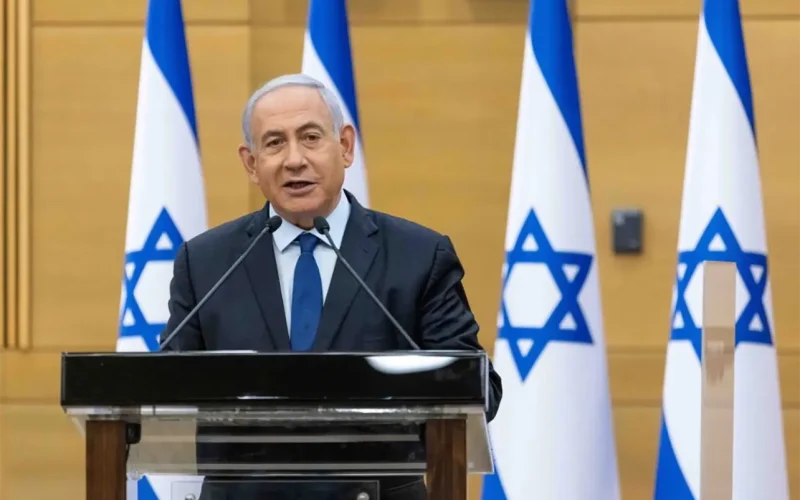
US President Donald Trump is spending all his free time these days praying for a Nobel Peace Prize. After the dramatic live on prime TV handing over of proof of nomination by Israeli Prime Minister, Benjamin Netanyahu, Trump is waiting for a call from Stockholm. It may, or may not, come. If it does, it would be to reward him for supporting the decimation of Palestinians by Netanyahu, using American weapons, intel and lobbying support to block UN-sanctioned penalties. It will be to reward him for targeting South Africa, for example, for taking the Jewish state to the International Court…
Read More
The African activists who challenged colonial-era slavery in Lagos and the Gold Coast

The African activists who challenged colonial-era slavery in Lagos and the Gold Coast

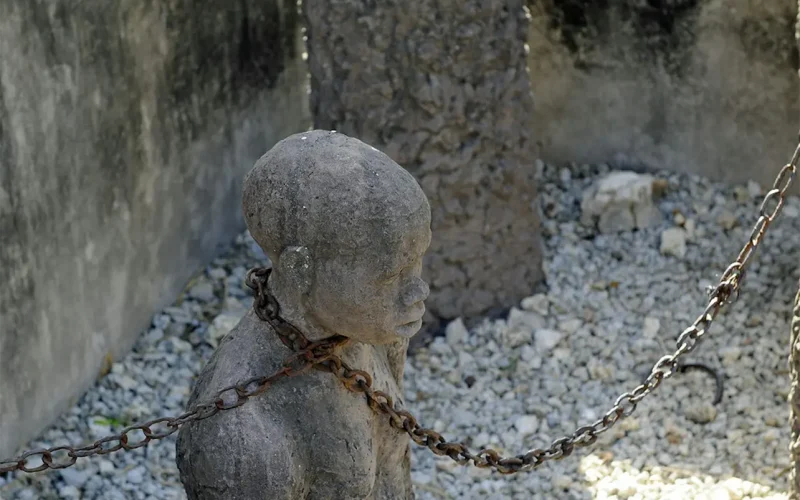
WHEN historians and the public think about the end of domestic slavery in West Africa, they often imagine colonial governors issuing decrees and missionaries working to end local traffic in enslaved people. Two of my recent publications tell another part of the story. I am a historian of West Africa, and over the past five years, I have been researching anti-slavery ideas and networks in the region as part of a wider research project. My research reveals that colonial administrations continued to allow domestic slavery in practice and that African activists fought this. In one study, I focused on Francis…
Read More
Modi’s visit to Ghana signals India’s broader Africa strategy. A researcher explains

Modi’s visit to Ghana signals India’s broader Africa strategy. A researcher explains

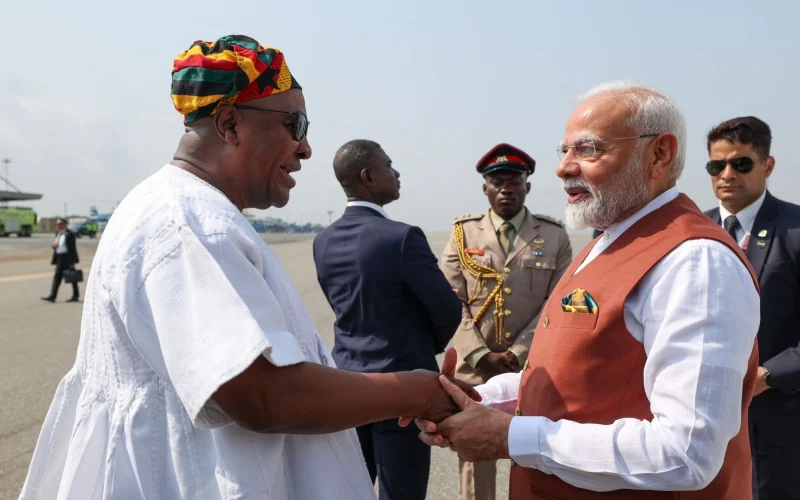
GHANA has historically been an anchor of Indian enterprise and diplomacy on the African continent. New Delhi and Accra formalised ties in 1957. At the time, their partnership was grounded in shared anti-colonial ideals and a common vision for post-independence development. India offered counsel on building Ghana’s institutions, including its external intelligence agency. Meanwhile, Indian teachers, technicians, and traders regularly travelled to the West African country in search of opportunity. The July 2025 visit of the Indian prime minister, Narendra Modi, to Ghana – the first by an Indian leader in over three decades – came at a critical moment…
Read More
Why Indigenous Peoples must be at the center of food systems’ transformation

Why Indigenous Peoples must be at the center of food systems’ transformation

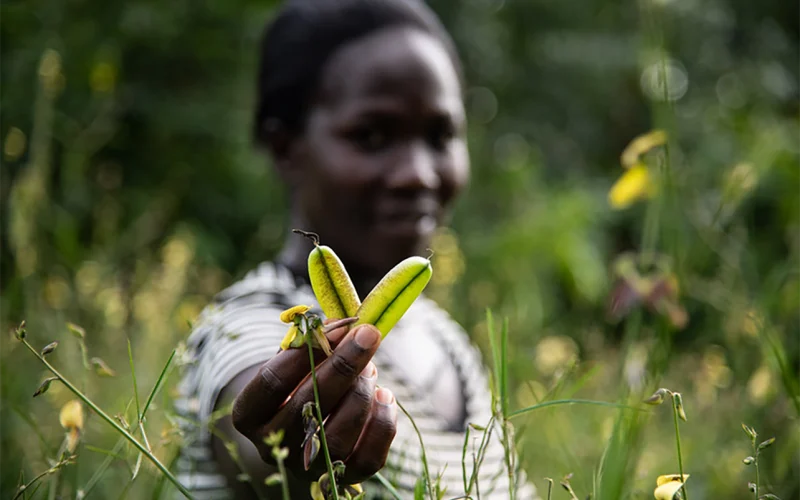
AS the world gathers in Addis Ababa for the second stock take of the UN Food Systems Summit (UNFSS+4), the urgency of transforming food systems into more resilient, sustainable and inclusive ones has never been more pressing. While driving this transformation requires many hands, one of the most vital and long-undervalued belongs to Indigenous Peoples. Far from being static, their food systems have continually adapted to changing climates, environments, and social conditions, offering valuable lessons to meet the Sustainable Development Goals, the Paris Agreement, and the Kunming-Montreal Global Biodiversity Framework. For millennia, Indigenous Peoples have cultivated diverse, adaptive, and evolving…
Read More