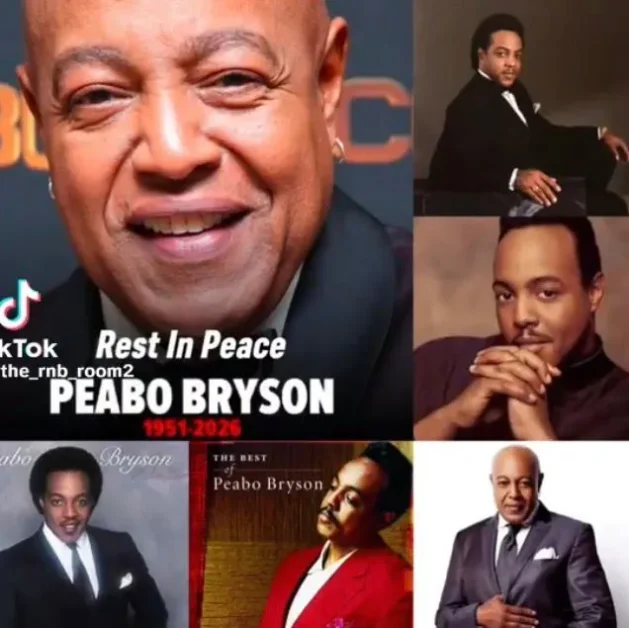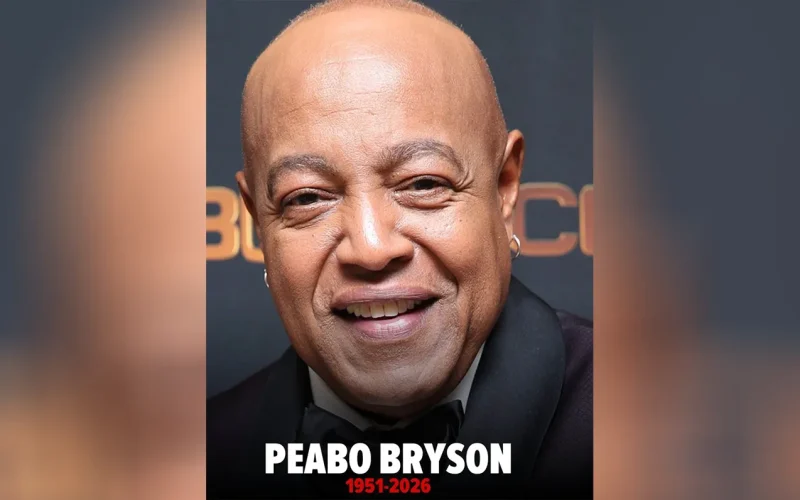
THERE are voices that entertain you, and then there are voices that become part of you – that inhabit the intimate chambers of your memory so completely that you cannot separate their sound from the sound of your own heartbeat. Peabo Bryson had such a voice. He did not merely sing. He presided over love.
On the evening of Tuesday, 2 June 2026, that voice fell silent. Robert Peapo Bryson, born in Greenville, South Carolina in 1951, died at seventy-five years of age, surrounded by family and those who loved him, following a stroke. But if silence is the word the world will use, Africa knows better. For a voice that has woven itself into a continent’s soul does not go silent. It reverberates. It lingers in the warm evening air. It plays on.
“His music was not a soundtrack to our romances — it was a participant in them.”
AFRICA’S BELOVED BALLADEER
Long before streaming algorithms decided what a generation should feel, African lovers had Peabo Bryson. His silky, molasses-rich tenor floated out of radio speakers from Nairobi to Johannesburg, from Lagos to Accra, from Dakar to Harare. On Friday nights, when a young man lit candles and whispered courage to himself before a date, Peabo’s voice set the table. When a woman decided to give her heart to someone, Peabo was the witness. He was the unseen third wheel in a million African love stories — present, constant, and utterly irreplaceable.
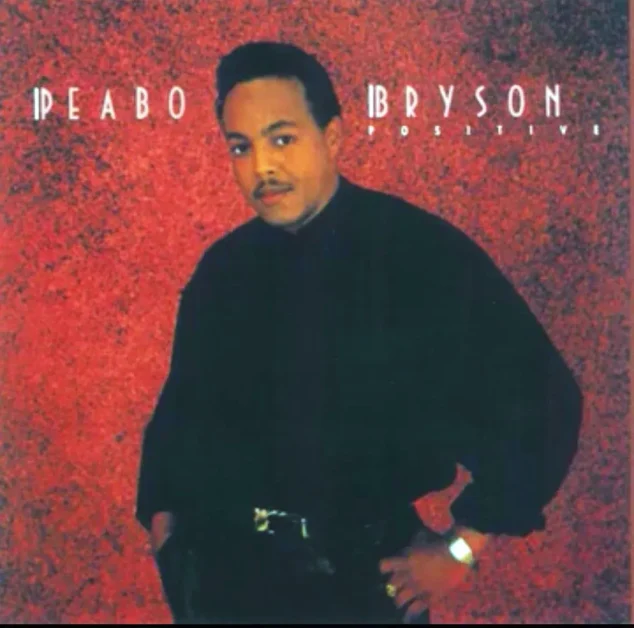
He toured this continent more than once, and when he arrived on African soil, he was not greeted merely as a visiting entertainer but as a beloved family member come home. Audiences in Johannesburg and Lagos knew every word, every breath, every delicious pause before a high note. When he leaned into a microphone and the first bars of a familiar melody crept across a stadium, the collective sigh that rose from thousands of throats was not applause — it was recognition. It was relief. It was: “Yes. You. Here. Finally.”
“When Peabo toured Africa, he was not a visitor. He was a homecoming.”
WHEN TWO LEGENDS LIT THE NIGHT ON FIRE
Among the many glories of Peabo Bryson’s career, perhaps none burned brighter in the African imagination than his great creative partnership with the incomparable Roberta Flack. When those two voices found each other — her velvet authority meeting his soaring warmth on classics like “Making Love” and the achingly beautiful “To Know You Is to Love You” — the result was something that defied mere music. It was electricity. It was fire. It was the sound of two souls communicating in a language older than words.
Africa heard that flame and held it to its chest. The Bryson-Flack recordings became anthems for a generation of Africans who understood, in their bones, that love is both a gentle thing and a consuming one. Those duets played in beachside restaurants along the Kenyan coast, in Soweto shebeens transformed into palaces for the night, in Cape Town apartments where young lovers discovered each other against a backdrop of mountain and sea. Peabo and Roberta did not simply make a record. They made a world.
“When Peabo and Roberta sang together, they did not set the night on music — they set it on fire.”
A WHOLE NEW WORLD
And then there was his gift to the dreamers. His 1992 rendition of “A Whole New World” with Regina Belle — the soaring anthem from Disney’s Aladdin — became the first song from an animated film to top the Billboard Hot 100. But for Africa, the achievement was not a chart statistic. It was permission. Permission to believe that love could be an adventure, that romance was not the exclusive province of other people in other places, but yours, here, now, on this soil, under this sky.
Countless couples across the continent took their first dance to that song. It played at weddings from the suburbs of Pretoria to the gardens of Abidjan. Fathers danced with daughters to it. Young men played it for young women with trembling hearts. The voice of Peabo Bryson was the vehicle, and the destination was always love — vast, terrifying, and luminously beautiful.
He later brought his velvet tenor to “Beauty and the Beast” alongside Céline Dion, winning the Grammy that a generation already knew in their hearts he deserved. Two Grammy Awards. A career spanning more than five decades. Twenty albums. The first artist in history to have separate recordings simultaneously top four different charts. The numbers are staggering. But the numbers are not the story. The story is the feeling — and no continent felt him more deeply than Africa.
“He delivered a million couples to a whole new world — and they were grateful for the ride.”
THE MUSIC LIVES ON
Peabo Bryson is gone. The word feels wrong in the mouth, too blunt for a man of such exquisite texture. His family has asked for privacy in their grief, and Africa honours that request. We grieve with them. We grieve for ourselves. We grieve for every first date that will now be coloured by his absence, for every couple who will play “Feeling the Fire” at their anniversary and feel the sweet, sharp ache of loss alongside the joy.
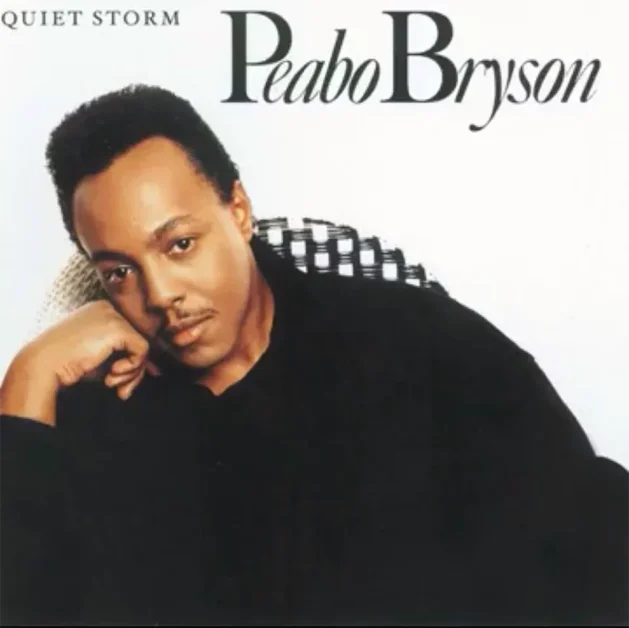
But here is what the continent also knows: Peabo Bryson built something that outlasts any biography. He built a body of music so deeply embedded in African emotional life that it has become part of the architecture of who we are. His voice is in the memory of every man who ever fell in love, every woman who ever let herself be loved, every child who grew up hearing their parents dance. It is in the walls of restaurants and the fibres of old speaker cones and the warm static of a thousand radio stations that played him on repeat because the audience would have it no other way.
He sang for five decades. He toured Africa and looked into its eyes and sang. The continent looked back and gave him what it reserves for only the greatest: not admiration, but love. The unconditional, unironic, unashamed love that Africans pour out when an artist has truly seen them and honoured them in song.
“Peabo is gone. But his music plays on. And it will play on for eternity.”
AFRICA SAYS THANK YOU
from the millions of African hearts that beat a little differently because of the music of Peabo Bryson — we say this:
Thank you for the slow dances. Thank you for the courage you gave to the tongue-tied and the lovesick. Thank you for arriving on our continent and filling our stadiums and our hearts with that magnificent instrument God placed in your chest. Thank you for “Can You Stop the Rain,” for “If Ever You’re in My Arms Again,” for every note that ever caused a pair of eyes to close in recognition of something felt but previously unnamed.
You were the soundtrack to our love stories. You were the unseen third wheel who made every romantic evening more beautiful for your presence. You were the voice that confirmed, time and again, that love is the most serious business in the world and the most joyful.
Rest now, Peabo. The music is in safe hands. The music is in our hands — and we will hold it with the reverence it deserves. We will play it at our weddings and our anniversaries and our first dates and our last dances, and in every note we will remember you: generous, golden-voiced, and gloriously, eternally present.