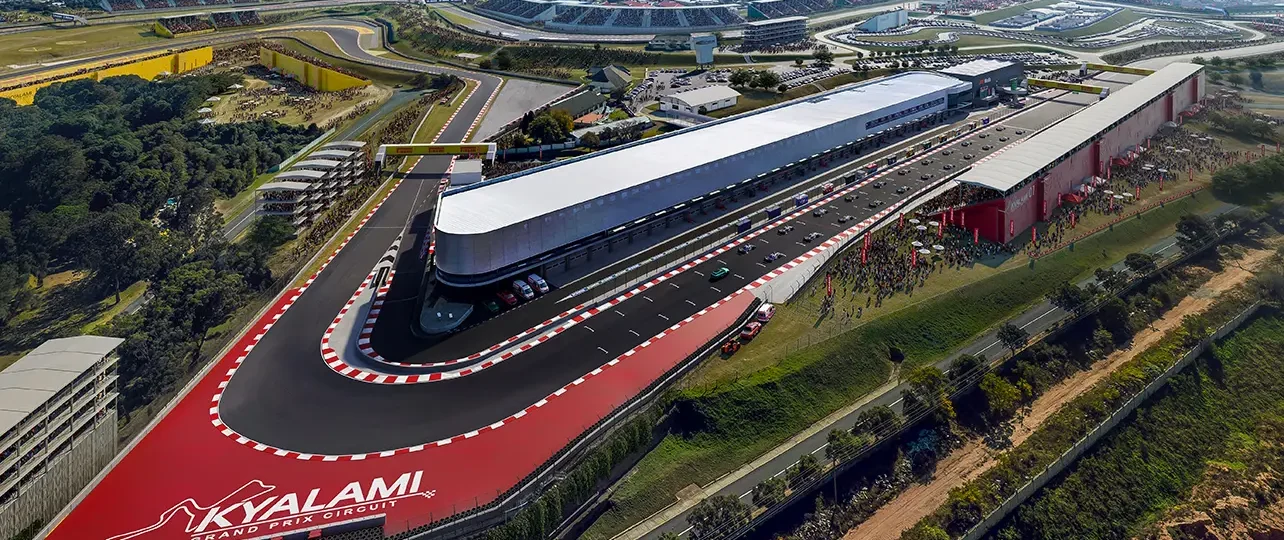

THE engines of history thundered back to life on Thursday as South Africa’s Cabinet delivered a resounding declaration that sent shockwaves through the motorsport world: the Rainbow Nation is officially bidding to host the Formula One Grand Prix, with the legendary Kyalami circuit poised to welcome the world’s fastest drivers back to African soil in 2027.
In a moment that felt like the resurrection of a beloved dream, Minister in the Presidency Khumbudzo Ntshavheni stood before reporters with the kind of announcement that transforms nations into global stages. Her words carried the weight of decades of yearning, the thunder of engines that once roared through the highveld, and the promise of a future where Africa reclaims its rightful place in Formula One’s pantheon.
“The bid is fully financially supported by the reputable South African private sector, and if successful, will contribute to job creation and economic development,” Minister Ntshavheni declared with unmistakable pride. But her message transcended mere economics—it was a clarion call of national ambition. “The mere granting of an opportunity for South Africa to bid for the prestigious Formula One Grand Prix is an affirmation of South Africa as an important world actor and confidence in the country.”
The Phoenix of Kyalami
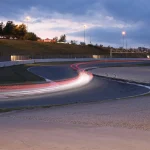
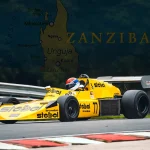
Like a phoenix preparing to rise from the ashes of motorsport history, the storied Kyalami circuit—silent since 1993 when it last hosted the South African Grand Prix—now stands at the threshold of its greatest comeback. This is the hallowed 4.529km ribbon of asphalt where legends were born, where Niki Lauda battled through flames and glory, where South Africa’s only Formula One World Champion, Jody Scheckter, wrote his name into immortality.
The resurrection won’t come cheap or easy. Between R90 million and R180 million will transform Kyalami from its current FIA Grade 2 status to the Grade 1 cathedral that Formula One demands. British-based Apex Circuit Design has crafted a blueprint for rebirth: expanded runoff zones at heart-stopping corners, enhanced barriers that whisper safety while screaming speed, upgraded kerbs that will feel the kiss of carbon fibre wings, drainage systems worthy of African storms, and a widened pit lane ready to house the most sophisticated racing machines on Earth.
Circuit owner Toby Venter radiates the confidence of a man who has seen greatness before and believes in its return. The upgrades will be complete well before the first car screams through the Kyalami esses, pending the sacred blessing of final FIA inspections.
A Tale of Two Cities: The South African Civil War
But South Africa’s Formula One dream has sparked the most beautiful kind of civil war—a battle between two cities, each offering a radically different vision of what African Formula One should become.
In the blue corner stands Johannesburg, the City of Gold, guardian of Kyalami’s sacred heritage. Here, motorsport purists and traditionalists find their Mecca—a circuit that breathes history, where every corner tells stories of battles fought at 300 kilometres per hour. Kyalami represents motorsport’s hallowed past, meeting its electrifying future, offering the concentrated, adrenaline-fueled racing that separates wheat from chaff.
In the red corner rises Cape Town, the Mother City, wielding a vision so audacious it could redefine what a Grand Prix can be. Their proposal near Wingfield Airbase promises a 5.7km urban street circuit that would unfold like a cinematic masterpiece against the dramatic backdrop of Table Mountain and Cape Town Stadium. With capacity for over 250,000 spectators, this wouldn’t just be a race—it would be a festival, a celebration, a tourism spectacle that could generate over R1 billion in economic impact, following the success of the 2023 Formula E race.
Cape Town’s bid reads like an urban renewal love letter: monorails snaking through the city, hospitality venues blooming like fynbos after rain, infrastructure investments that would transform the Mother City into a global motorsport destination. It’s glamorous, modern, tourist-driven—a coastal spectacle that celebrates South Africa’s natural beauty while showcasing its contemporary ambitions.
The contrast is poetry in motion: Kyalami’s heritage-rich authenticity versus Cape Town’s urban dynamism, tradition versus innovation, motorsport purity versus spectacular entertainment.
The Rwandan Challenge: When Presidents Lead the Charge
Yet South Africa’s internal competition pales beside the continental battle brewing to the north. Rwanda, the Land of a Thousand Hills, has emerged as a formidable challenger, and its secret weapon is nothing less than presidential determination.
President Paul Kagame himself spearheads Rwanda’s bid, transforming it from a motorsport ambition into a national mission. The country’s hosting of the prestigious FIA Awards in 2024 wasn’t just a ceremony—it was a declaration of intent, a demonstration that Rwanda belongs on the world’s biggest stages. With strategic sponsorships flowing through major football clubs and NBA partnerships, Rwanda champions innovation and African pride with the kind of political backing that moves mountains.
Their proposed venue near Bugesera Airport promises cutting-edge facilities designed by an ex-Formula One driver—a fusion of technical expertise and visionary ambition that signals Rwanda’s serious commitment to landing not just a race, but a statement about Africa’s limitless potential.
The Continental Renaissance
As Minister Ntshavheni’s words continue to echo through boardrooms and paddocks worldwide, one truth becomes crystal clear: Africa’s Formula One renaissance isn’t just coming—it’s already here, manifesting in the fierce competition between nations hungry to host the world’s premier motorsport championship.
Whether it’s Kyalami’s historic roar awakening from decades of slumber, Cape Town’s urban symphony playing against mountain and sea, or Rwanda’s groundbreaking vision of African innovation, the continent stands poised for a motorsport revolution that could see multiple African races gracing the Formula One calendar in the years ahead.
The race to host Formula One in Africa has become more than a sporting ambition—it’s become a captivating contest of heritage versus innovation, tradition versus transformation, past glory versus future dreams. And in this high-speed chess match played across a continent, every nation is bringing their A-game to a track where only winners cross the finish line.
The engines are warming up. The flags are ready. Africa’s Formula One dream is shifting from second gear into overdrive, and the world is watching with anticipation as the most exciting motorsport drama in decades unfolds across the most dynamic continent on Earth.