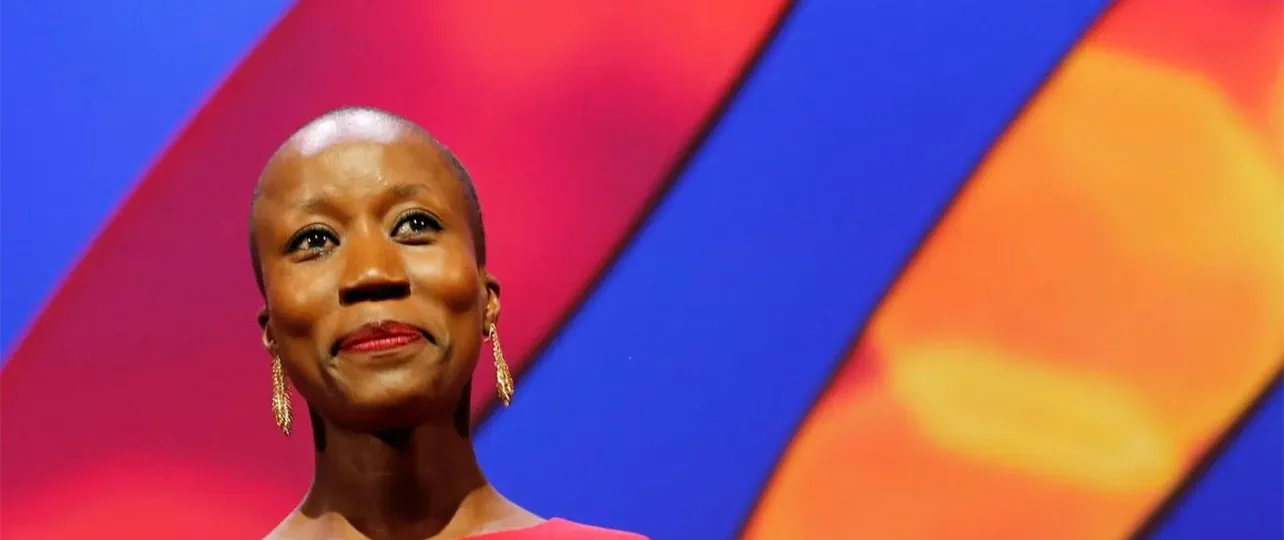

THE iron gates of the Belgian prison are expected to creak open on a crisp winter morning, releasing one of Africa’s most celebrated voices back into the world. Rokia Traore, the masterful Malian singer whose melodies had crossed continents, is expected to step into the sunlight after months behind bars, her spirit unbroken.
For years, her life had become an intricate dance between artistry and anguish, motherhood and exile. The story began in 2019 when love turned to discord between Traore and Belgian playwright Jan Goossens over their young daughter. The corridors of European justice became her unwilling stage, from Paris to Rome to Brussels, each city adding verses to her tale of struggle.
The songstress who once commanded festival stages found herself performing for prison walls instead. Her arrest in Italy last June silenced her public voice but not her determination. As she was extradited to Belgium in November, facing a two-year sentence for parental abduction, her supporters worldwide held their breath.
But like the finest compositions, even this dark movement found its resolution. In a testament to the power of reconciliation, Traore and Goossens finally struck a harmonious chord. Their agreement, while keeping her tethered to European soil, opened the door to her freedom and a new chapter in their daughter’s life.
“Today she is a free woman,” declared her lawyer Sven Mary, his words resonating like the first notes of a liberation song. For their nine-year-old daughter, caught between two worlds, this agreement promises a future where both parents might finally play their parts in peace.
The story of Rokia Traore – musician, mother, and UN refugee ambassador – embodies the complex symphony of modern life, where borders, bonds, and belongings intertwine. As she emerges from behind bars, her tale reminds us that even the most challenging compositions can find their way to a peaceful resolution, though the melody may take unexpected turns along the way.