
THE African continent stands at an economic precipice. With just weeks remaining before the Africa Growth Opportunities Act expires and punitive U.S. tariffs already devastating key economies, what began as isolated trade disputes has metastasised into an existential crisis threatening to unravel decades of carefully constructed economic partnerships across the world’s second-largest continent.
From Cape Town’s industrial heartlands to Nairobi’s textile factories, African governments are engaged in desperate diplomatic firefighting as President Donald Trump’s aggressive trade policies threaten to obliterate the economic lifelines that sustain millions of jobs and billions in trade across 54 nations.
The AGOA Apocalypse
September’s looming expiration of the Africa Growth Opportunities Act represents nothing short of economic warfare against an entire continent. The program, which provides duty-free access to U.S. markets for thousands of products from 32 eligible African countries, supports hundreds of thousands of jobs and represents the cornerstone of modern U.S.-Africa trade relations.
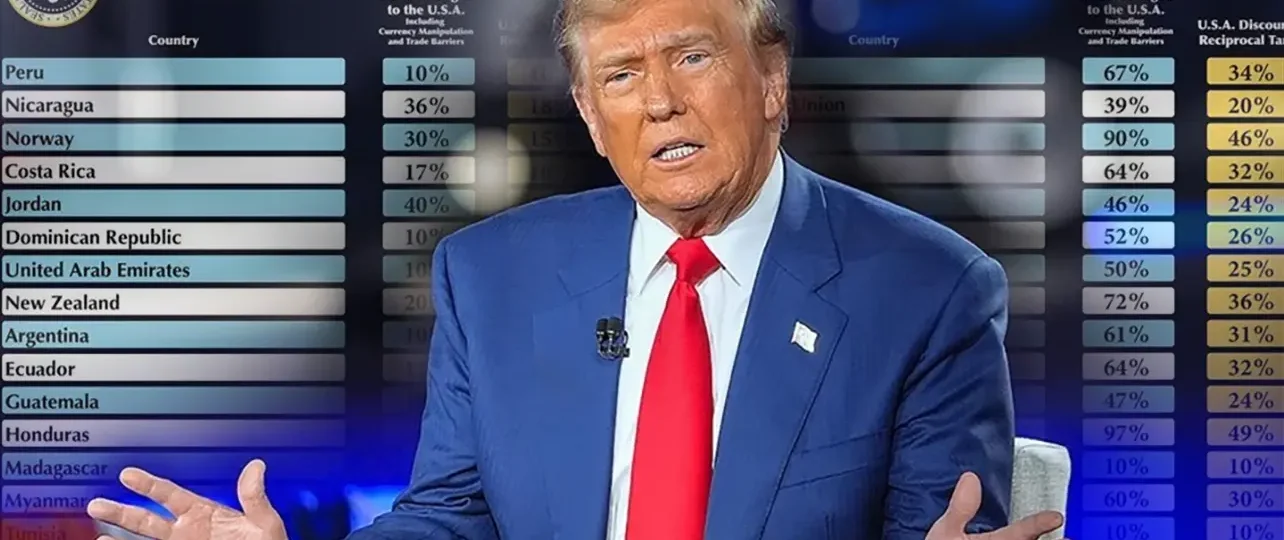
But Trump’s protectionist agenda has transformed AGOA from a partnership into a weapon. Countries across the continent—from South Africa facing crushing 30% tariffs to Kenya desperately negotiating bilateral alternatives—are witnessing the systematic dismantling of two decades of economic progress.
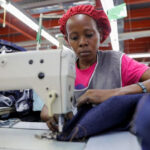
The human cost is staggering. Kenya alone stands to lose 300,000 jobs in its textile sector. South Africa, already grappling with unemployment above 30%, faces tens of thousands more job losses. Multiply these figures across 32 countries, and the spectre of mass unemployment and economic collapse becomes terrifyingly real.
Continental Divide and Conquer
Trump’s strategy is as cynical as it is effective: fracture African unity by forcing individual nations into bilateral negotiations while wielding the threat of punitive tariffs. Kenya’s pursuit of a separate trade deal and South Africa’s emergency diplomatic missions reveal how successfully this divide-and-conquer approach is shattering continental solidarity.
The irony is devastating. Just as African nations are pursuing greater economic integration through the African Continental Free Trade Area, Trump’s policies are forcing them into a desperate scramble for individual survival that undermines collective bargaining power and regional cooperation.
Countries that should be negotiating as a unified bloc are instead competing against each other for American market access, weakening their leverage and enabling Washington to dictate increasingly harsh terms.
The Democracy Tax
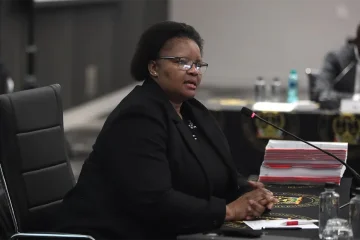
Across the continent, the message from Washington is becoming crystal clear: democratic governance and post-colonial justice carry an economic price. South Africa’s experience—where affirmative action policies designed to address apartheid-era inequalities have become bargaining chips in trade negotiations—serves as a chilling warning to other African nations.
The precedent is alarming. If the continent’s most industrialised democracy can be forced to compromise its principles for market access, what hope do smaller, more vulnerable economies have of maintaining their sovereignty?
This isn’t just about trade policy—it’s about whether African nations can chart their own democratic course or must submit to American political demands to access vital markets.
Industrial Decimation on a Continental Scale
The textile industries that have flourished under AGOA across multiple countries face systematic destruction. From Ethiopia’s growing manufacturing base to Lesotho’s garment sector, factories that employ hundreds of thousands of workers and anchor entire local economies are confronting an existential threat.
These aren’t just statistics—they represent the dreams of African industrialisation being crushed under the weight of American trade aggression. Countries that invested billions in manufacturing capacity, worker training, and industrial infrastructure now face the prospect of seeing these investments rendered worthless overnight.
The ripple effects extend far beyond manufacturing. Service industries, logistics networks, and agricultural sectors that have grown around export-oriented production face collapse as demand evaporates under prohibitive tariff barriers.
The Beijing Alternative
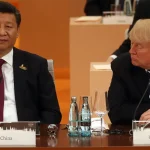
As Washington closes doors, Beijing is opening them. African leaders, faced with American trade hostility, are increasingly looking eastward for economic partnerships that don’t come with political strings attached. President William Ruto’s defence of Kenya’s growing ties with China reflects a broader continental shift away from traditional Western partners.
This realignment represents a strategic catastrophe for American influence in Africa. By weaponising trade policy, Trump is inadvertently driving the continent into the arms of competitors who offer economic partnership without demands for political capitulation.
The long-term geopolitical implications are staggering. A continent that once viewed America as a key economic partner is rapidly reassessing its options as Chinese, Indian, and European alternatives become increasingly attractive.
Continental Countdown
As African trade ministers engage in frantic diplomatic shuttles between Washington and their capitals, the September AGOA deadline looms like an economic doomsday clock. Each passing day brings the continent closer to a trade catastrophe that could reverse decades of economic progress and plunge millions into poverty.
The stakes extend far beyond economics. This crisis will determine whether Africa can maintain its hard-won independence and democratic progress, or whether economic desperation will force a return to the kind of external dependency that characterised the colonial era.
For a continent that has spent generations fighting for economic sovereignty and political independence, Trump’s trade war represents the ultimate test: can Africa survive American economic hostility while preserving its dignity, or will the price of market access be the surrender of its democratic soul?
The countdown has begun, and the future of an entire continent hangs in the balance.