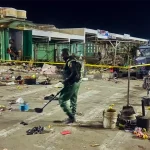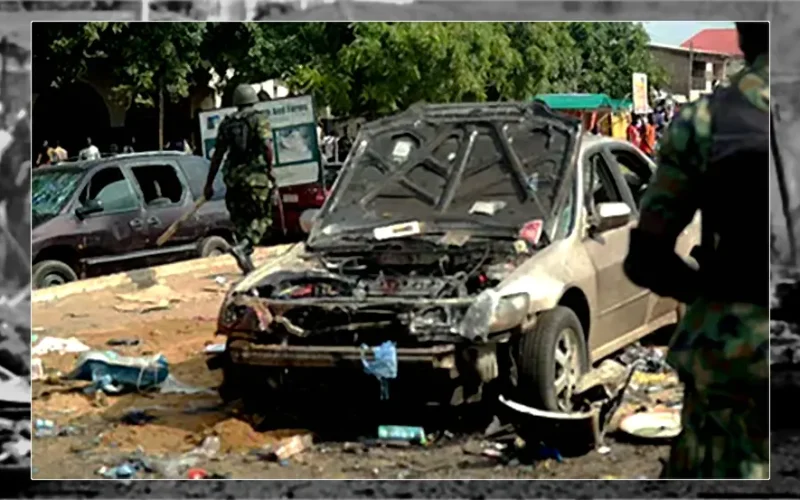
IN a shocking escalation of violence amidst nationwide turmoil, a thunderous explosion ripped through a bustling village cafe in Nigeria’s volatile Borno state, claiming 16 lives and leaving a trail of devastation in its wake. The blast, which tore apart the popular gathering spot in Kawuri village, echoed the growing unrest sweeping across the nation.
As the smoke cleared and the grim toll became apparent, the attack served as a brutal reminder of the multi-faceted crisis gripping Africa’s most populous country. With the youth-led cost of living protests, initially sparked in Kenya and spreading like wildfire through Ghana to Nigeria, the nation finds itself at a critical tipping point.
The air thick with tension and the acrid smell of explosives, locals told of how they pulled bodies from the rubble. Some spoke of how the cafe, once filled with laughter and life, now stands as a gruesome testament to the violence plaguing their country.
As dawn broke on Thursday, the government’s response was swift and severe. Police spokesperson Nahum Kenneth Daso announced a 24-hour curfew, effectively locking down a region already under siege. This heavy-handed approach came barely a week after another tragedy – a landmine explosion that claimed the lives of seven soldiers on a Borno state highway, further highlighting the precarious security situation.
The blast in Kawuri village, mere kilometres from Maiduguri, the state capital, has cast a long shadow over a nation already grappling with a myriad of challenges. From the long-running Islamist insurgency in the northeast to separatist violence in the southeast, from rampant oil theft in the Niger Delta to widespread kidnappings by criminal gangs, Nigeria seems to be fighting fires on all fronts.
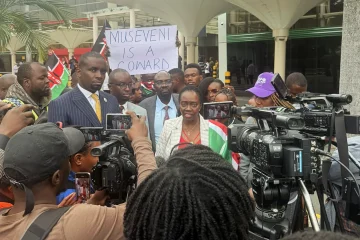
Against this backdrop of chaos and uncertainty, thousands of Nigerians took to the streets on Thursday, their voices rising in a crescendo of discontent. From Lagos to Abuja, from Port Harcourt to Kano, the air reverberated with chants denouncing the spiralling cost of living, endemic corruption, and the government’s perceived inability to protect its citizens.
As night fell, the protests showed no signs of abating. The cafe blast, while tragic, has become a rallying cry for a population pushed to the brink. With each passing hour, the line between civil unrest and potential revolution grows increasingly blurred, leaving many to wonder: Will this be the spark that ignites Nigeria’s powder keg of discontent?
In the coming days, all eyes will be on the government’s response to this perfect storm of security threats and social upheaval. As the nation holds its collective breath, one thing is certain – the blast in that small Borno cafe may have done more than claim 16 lives; it may have lit the fuse on Nigeria’s explosive barrel of long-simmering grievances.