A wave of community-led protests across South Africa has escalated into a healthcare access crisis, with foreign nationals being physically blocked from entering public clinics and hospitals by angry residents who demand that migrants seek treatment at private facilities instead.
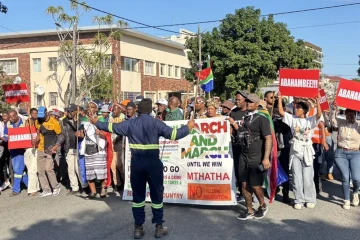
The protests, which have intensified over recent weeks, have spread from Gauteng to the Eastern Cape and other provinces, with at least 13 clinics in Johannesburg’s Region F now affected by ongoing demonstrations. Community members are positioning themselves at clinic entrances, demanding to see identification documents and turning away anyone who cannot produce South African ID papers.
Widespread Blockades Target Vulnerable Populations
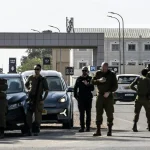
In Johannesburg, the protests have been particularly severe in areas like Rosettenville, Tembisa, and Hillbrow, where community members and groups such as Operation Dudula have mounted sustained campaigns to prevent foreign nationals from accessing healthcare. The blockades are not being implemented by clinic staff, but by local residents who have taken it upon themselves to control access to public facilities.
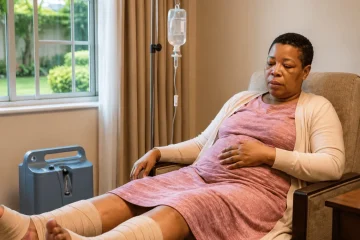
Among those being turned away are pregnant women and young children—groups that are legally entitled to free healthcare in South Africa regardless of nationality or documentation status. The protests have also affected asylum seekers and refugees who are on chronic medication and have scheduled appointments for treatment.
Jennifer, a woman from the Democratic Republic of Congo, described her experience at Hillbrow Clinic: “They don’t want to see us here. They say we must go to our own countries for treatment, but we live here now.”
Protesters’ Justifications
Community members involved in the blockades cite several reasons for their actions. They argue that foreign nationals, particularly undocumented migrants, place undue pressure on South Africa’s already overstretched public health system, leading to overcrowding, longer wait times, and depleted medical supplies.
“South Africans must be prioritised because resources are limited for citizens,” stated one Rosettenville resident. Many protesters insist that since foreign nationals often do not contribute to the tax base, they should not benefit equally from government-funded healthcare services.
Some groups have made more serious allegations, claiming that foreign nationals collect medication to manufacture street drugs like nyaope or resell medicines in their home countries. Operation Dudula members have been particularly vocal in making these accusations, though they provide no evidence to support their claims.
The protesters frequently distinguish between documented and undocumented migrants, demanding to see legal papers at clinic entrances and denying entry to those without South African identification or legal asylum seeker status. They frame their actions as enforcing legal and administrative order rather than engaging in xenophobic behaviour.
Constitutional Rights Under Attack
The South African Human Rights Commission (SAHRC) has strongly condemned the protests, emphasizing that denying healthcare based on nationality or documentation status violates the Constitution and human rights law. The commission has warned that such exclusionary practices could worsen public health risks, including the spread of disease.
“Manning hospital entrances and blocking people based on nationality is a violation of human rights,” the SAHRC stated in a recent warning. The organization has raised particular concerns about healthcare facilities that allegedly deny treatment to individuals based on nationality or documentation status.
The Gauteng Department of Health has also condemned the actions, reiterating that it is illegal to deny anyone access to healthcare. Despite these official positions and a recent court ruling affirming the right to free healthcare for pregnant women and children under six, the protests and blockades continue.
Legal Battles and Enforcement Challenges
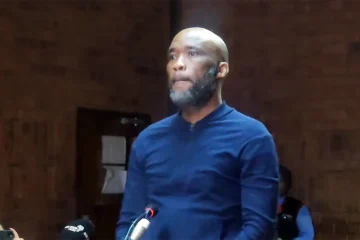
Civil society groups have launched legal challenges seeking court orders to prevent further harassment and obstruction at clinics. The Gauteng High Court has been hearing cases regarding Operation Dudula’s conduct and that of its office-bearers, with applicants seeking to stop the group from harassing foreign nationals and interfering with their access to healthcare services.
However, enforcement remains a significant challenge. Despite police intervention and ongoing legal action by rights groups, anti-migrant groups continue to disrupt access to healthcare facilities. Some protesters have openly defied court orders and official condemnation, suggesting that the demonstrations are driven by deep-seated community frustrations over service delivery and resource allocation.
Broader Context of Anti-Migrant Sentiment
The healthcare blockades represent the latest escalation in a broader pattern of anti-migrant sentiment that has been building across South Africa. Operation Dudula, which has been at the forefront of many protests, has expanded its activities beyond healthcare to include blocking foreign nationals from registering businesses and removing them from trading stalls.
The group’s activities have coincided with worrying trends in anti-immigrant rhetoric, particularly in the lead-up to the 2024 general elections, when Operation Dudula confirmed it would register as a political party and contest the elections.
Impact on Public Health
Health experts warn that the protests could have serious public health consequences. By preventing foreign nationals from accessing routine healthcare, including chronic medication and preventive care, the blockades could contribute to the spread of communicable diseases and worsen health outcomes for vulnerable populations.
The targeting of pregnant women and children is particularly concerning, as these groups are entitled to free healthcare under South African law regardless of their nationality or documentation status. Denying them access to care could result in preventable maternal and child deaths.
Government Response and Next Steps
While health authorities and human rights organizations have condemned the protests, the government’s response has been criticized as inadequate. Foreign nationals have blamed both police and health officials for failing to protect their constitutional rights and ensure access to healthcare facilities.
The protests highlight broader tensions over immigration, service delivery, and resource allocation in South Africa. As community frustrations mount over unemployment, poverty, and inadequate public services, foreign nationals have increasingly become scapegoats for systemic problems.
Civil society groups continue to pursue legal remedies, but the persistence of the protests suggests that addressing the underlying issues will require more than court orders. A comprehensive approach that addresses both the legitimate concerns of South African communities about service delivery and the constitutional rights of all residents, regardless of nationality, will be necessary to resolve this crisis.
The healthcare access crisis represents a critical test of South Africa’s commitment to constitutional principles and human rights. As the protests continue to spread, the government faces mounting pressure to take decisive action to protect vulnerable populations while addressing the root causes of community frustration.