
A contamination crisis involving some of the world’s most trusted infant formula brands has spread across Africa, placing countless babies at potential risk as Swiss food giant Nestlé scrambles to contain what Austrian authorities are calling the company’s largest product recall in history.
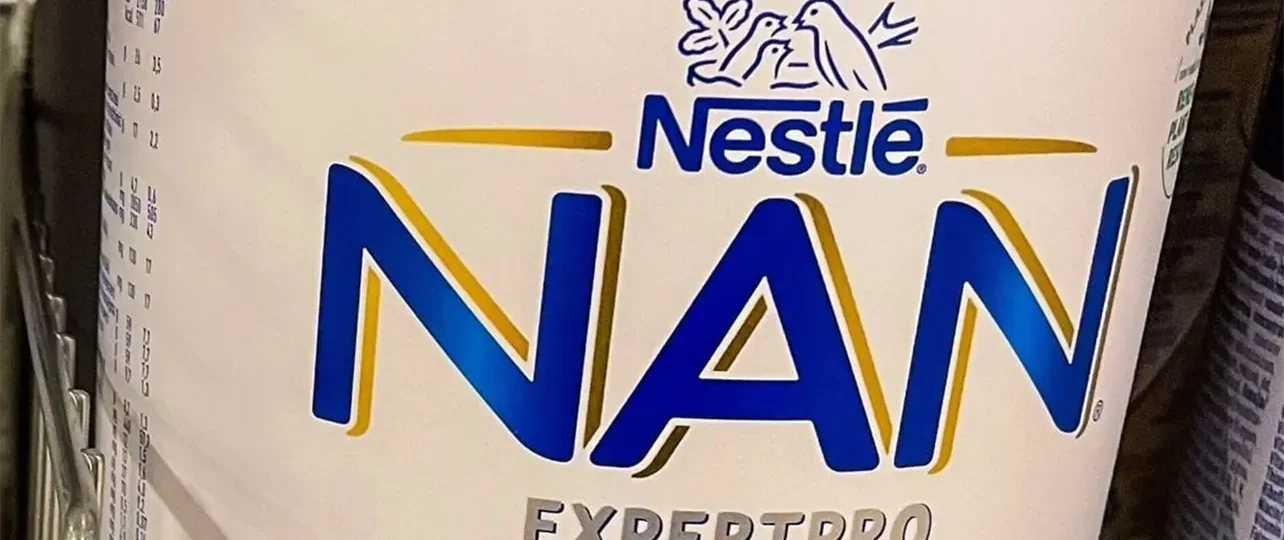
The recall, which now spans at least 37 countries across Africa, the Americas, Asia, and Europe, involves popular formula brands including NAN, SMA, BEBA, and Alfamino – products that millions of African families depend on daily to nourish their infants.
South Africa’s National Consumer Commission confirmed this week that contaminated NAN infant formula produced in June 2025 has reached South African, Namibian, and Eswatini markets, with the affected products carrying an 18-month shelf life that extends the threat well into 2026.
The Toxin Threat
The recalled batches may contain cereulide, a heat-stable toxin that can cause severe nausea and vomiting in infants. While Nestle reports no confirmed illnesses to date, the toxin’s presence in products designed for the most vulnerable population raises urgent questions about quality control in a supply chain that African families have been taught to trust implicitly.
Brazil’s health ministry disclosed that the contamination originated from products manufactured in the Netherlands, while Nestle Australia traced affected batches to Swiss facilities. The global reach of the crisis underscores how integrated and potentially vulnerable international infant nutrition supply chains have become.
A Crisis of Dependency
For African families, this recall represents more than an inconvenience—it exposes a dangerous dependency on foreign-manufactured infant nutrition products. Across the continent, aggressive marketing by multinational corporations has steadily eroded breastfeeding rates and created generations of parents who rely on imported formula as their primary or supplementary infant feeding method.
The World Health Organisation has long warned about the risks of this dependency, particularly in contexts where clean water for formula preparation may be unreliable and where families lack the economic buffer to absorb sudden supply disruptions or health crises.
Now, as Nestle works to “ramp up production and activate alternative suppliers,” African parents face an agonising question: Can they trust the products they’ve been sold as essential to their children’s survival?
Corporate Accountability in Question
The contamination stems from a “quality issue” in an ingredient supplied by what Nestlé describes as a “leading supplier” of arachidonic acid oil. Austrian health authorities report that more than 800 products from over 10 factories are affected, suggesting systemic quality control failures rather than an isolated incident.
This crisis arrives at a particularly challenging moment for Nestlé, as new CEO Philipp Navratil attempts to revive the company’s growth following management upheavals. The company’s shares have fallen nearly 6% this week as markets digest the scale of the recall.
For African consumers, however, the corporate restructuring narrative is cold comfort. The incident raises fundamental questions about whether profit-driven multinationals can be trusted to maintain the rigorous safety standards that infant nutrition demands.

The Breastfeeding Alternative Under Threat
Public health advocates have long promoted breastfeeding as the safest, most accessible form of infant nutrition, particularly in African contexts. Yet decades of formula marketing have created environments where breastfeeding is sometimes viewed as inferior or impractical, despite its proven health benefits and immunity protections.
This recall should serve as a wake-up call about the vulnerabilities inherent in formula dependency. When supply chains fail, when quality controls falter, or when contamination occurs, exclusively formula-fed infants have no immediate alternative.
What Parents Must Do Now
African parents using Nestlé infant formula products should immediately check batch numbers against recall lists published by their national health authorities. The South African National Consumer Commission and equivalent bodies across the continent are coordinating information dissemination.
Parents who have used the affected products and whose infants show symptoms of nausea or vomiting should seek immediate medical attention. Healthcare providers should be alert to potential cases and report them to authorities to enable proper monitoring of this crisis.
A Reckoning Required
As Nestle works to contain this crisis, African governments and public health authorities must ask harder questions about infant nutrition policy. How dependent should African populations be on foreign-manufactured products for infant survival? What regulatory oversight exists to catch contamination before products reach store shelves? And what penalties should corporations face when their quality failures put the continent’s most vulnerable lives at risk?
The health of millions of African babies should never hinge on the quality control procedures of distant factories, the reliability of international supply chains, or the profit calculations of multinational corporations. This crisis demands not just a recall, but a fundamental rethinking of how infant nutrition is approached, regulated, and secured across the African continent.
Until then, every formula-feeding parent in Africa lives with the knowledge that their baby’s next meal could be the subject of the next international safety alert.
Parents seeking information about affected batches should contact their national health authorities or visit official government health websites for updated recall information.