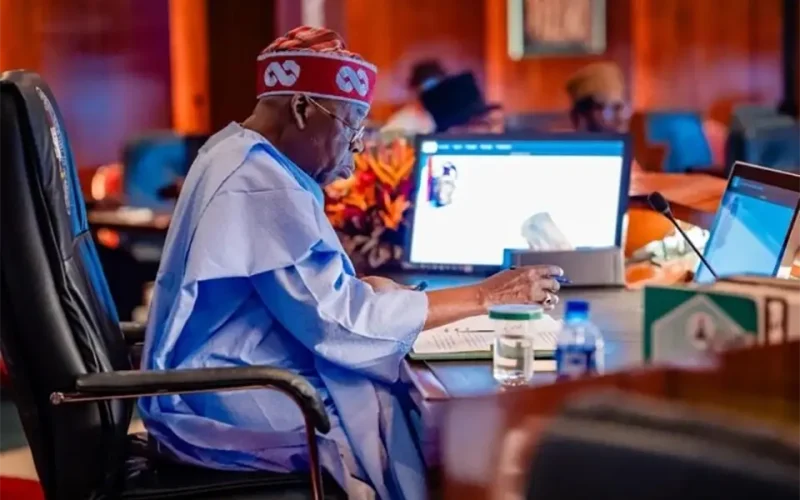
NIGERIA’S Defense Headquarters has confirmed that several military officers arrested last year will face trial for allegedly plotting to overthrow President Bola Tinubu’s government, marking the most serious threat to the country’s civilian administration in over two decades.
The announcement on Monday represents a significant escalation from October, when authorities dismissed coup rumours following the arrest of 16 officers for what were initially characterised as routine disciplinary infractions. A subsequent military investigation has now uncovered what officials describe as credible evidence of a conspiracy to unseat the elected government.
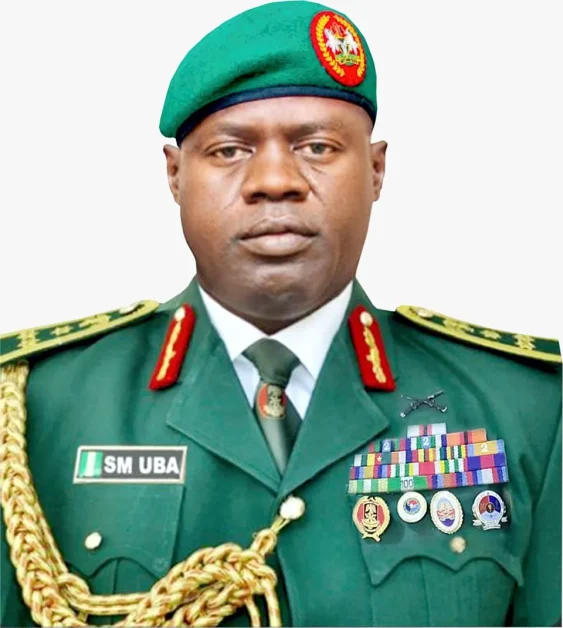
Major-General Samaila Uba, the Defence spokesperson, said those implicated will appear before a military judicial panel. Under Nigerian military law, conviction for treason carries the death penalty. The military has not disclosed how many of the 16 detained officers face coup-related charges or released details about the alleged plot’s scope or timing.
The case carries profound implications for Nigeria’s democratic trajectory. The country endured six successful military coups between 1966 and 1993, a tumultuous period that ended with the establishment of continuous civilian rule in 1999. The allegations break a 26-year streak without a coup attempt, raising questions about institutional stability and military loyalty at a moment of acute national vulnerability.
The timing is particularly sensitive. President Tinubu implemented a sweeping overhaul of military leadership in October—the same month as the arrests—replacing all service chiefs in what was publicly framed as a response to Nigeria’s deteriorating security environment. Whether the leadership shake-up and the alleged plot are connected remains unclear, but the coincidence has fueled speculation about internal military tensions.
The Defence Headquarters statement emphasised that the prosecutions would “ensure accountability and uphold the principles of fairness and due process,” while asserting that attempts to overthrow civilian authority violate “the ethics, values and professional standards” of the armed forces. This language suggests concern about maintaining institutional credibility during a politically fraught proceeding.
Nigeria’s security challenges have intensified pressure on the military establishment. Forces are simultaneously combating Boko Haram and Islamic State-affiliated militants in the northeast, criminal gangs and cattle-rustling militias across the northwest, and persistent communal violence in central regions. Resource constraints and operational fatigue have tested military cohesion, while economic hardship under Tinubu’s controversial reform agenda has sparked public discontent that some analysts warn could find resonance within the barracks.
The allegations emerge against a backdrop of democratic backsliding across West Africa. Since 2020, military juntas have seized power in Mali, Burkina Faso, Niger, and Guinea, eroding the region’s governance standards. Nigeria, as West Africa’s most populous nation and largest economy, has positioned itself as a bulwark of stability within the Economic Community of West African States (ECOWAS), making any whiff of military insubordination regionally significant.
The military has repeatedly issued public statements reaffirming its subordination to civilian authority, particularly as coup speculation has periodically surfaced amid Nigeria’s ongoing security and economic crises. Monday’s acknowledgement that some officers did allegedly conspire against the government represents the first official confirmation of genuine seditious activity within the ranks since the return to democracy.
How the military tribunal proceeds will be closely watched both domestically and internationally as a test of Nigeria’s democratic resilience and the military’s institutional integrity.
Profiles of officers in detention over alleged coup plot
1. Brigadier General Musa Abubakar Sadiq
2. Colonel M.A. Ma’aji
3. Lt. Colonel S. Bappah
4. Lt Colonel A.A. Hayatu.
5. P. Dangnap
6. Lt. Colonel M. Almakura
7. Major A. J Ibrahim
8. Major M.M. Jiddah
9. Major M.A. Usman
10. Major D. Yusuf
11. Major I. Dauda
12. Captain Ibrahim Bello
13. Captain A.A Yusuf
14. Lieutenant S.S Felix
15. Lieutenant Commander D. B. Abdullahi
16. Squadron Leader S. B Adamu