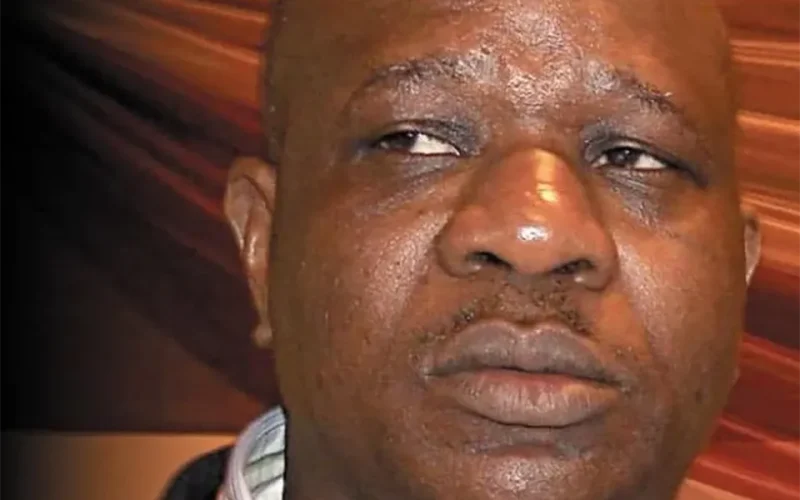
EMMANUEL ADENIJI walked into a 73-year-old dementia patient’s room at 3 a.m. on April 3, 2020. CCTV captured what followed. The woman, confined to her bed under Covid-19 lockdown restrictions that had effectively sealed Ireland’s nursing homes from outside scrutiny, had no meaningful way to seek help. By morning, the staff found her distressed. DNA evidence would later seal Adeniji’s fate.
But that conviction, which earned him an 11-year sentence in 2020, may represent only a fraction of his offending. Irish health authorities now believe he sexually abused and raped as many as 21 other female residents at the same HSE-run Kildare facility – women whose complaints, when they made them at all, were written off as symptoms of their own cognitive decline.
The case has exploded into one of the most serious elder care scandals in the history of the Irish state.
The most damning element of the emerging picture is not simply that Adeniji allegedly offended repeatedly over a period of years. It is that warnings existed – and were ignored.
According to findings from Ireland’s National Independent Review Panel, at least nine female residents had made prior allegations of rape or sexual assault against Adeniji before the 2020 conviction. Those complaints were not escalated, not properly investigated, and in several cases were formally attributed to clinical conditions: dementia-related delusions, delirium, and urinary tract infections. The institutional reflex, apparently, was to doubt the patient rather than scrutinise the carer.
Two further residents reported physical abuse. None of these disclosures triggered a safeguarding response that met HSE’s own required standards, the review found.
This is the central institutional failure at the heart of the scandal: a healthcare system that built its response to abuse allegations around the presumed unreliability of its most vulnerable patients, rather than the elementary safeguarding principle that such claims demand investigation regardless of the complainant’s condition.
The NIRP report identified cascading failures beyond the dismissal of complaints. Resident files contained gaps in contemporaneous notes. Reports filed through the National Incident Management System were incomplete, meaning staff rotating through shifts lacked basic awareness of prior incidents involving the same worker. Gardaí, who had received some complaints, did not share information with HSE safeguarding teams or the nursing home itself – a breakdown in inter-agency communication with potentially serious consequences.
Staff, meanwhile, received a single counselling session following the 2020 rape conviction — widely described as inadequate given that they had been working under pandemic crisis conditions with some of Ireland’s most vulnerable citizens. Many had not received timely safeguarding training meeting HIQA standards at the time the alleged abuses were occurring.
Adeniji had worked at the facility for 16 years. He was a trained healthcare assistant with experience enough to know which patients were least likely to be believed.
The Wider Investigation
The HSE formally referred Adeniji to An Garda Síochána in early 2026 following completion of a review that examined more than 300 resident files – a number reflecting both the scale of the probe and the grim reality that many potential victims have since died or have impairments too advanced to allow family consultation.
As of the time of writing, gardaí have indicated that formal complaints are required to advance criminal proceedings. No charges arising from the new allegations have been confirmed. The investigation remains active.
For the family of the original victim – a woman whose daughter has described her as having been left with depression, suicidal ideation, and a permanent state of fear – the HSE’s apologies have registered as hollow. The trust they placed in a state-run facility to protect their mother was, in their words, destroyed by a single employee who should never have been in a position to cause harm.
Adeniji’s path to working in Irish healthcare has drawn separate scrutiny. He entered Ireland without valid documentation around 2000, filed an asylum claim citing religious persecution – which was neither fully investigated nor formally decided – and subsequently secured residency by claiming paternity of an Irish-born child under immigration rules then in force. He was granted citizenship in 2012.
Critics, including opposition politicians and advocacy groups, have raised this as evidence of gaps in vetting processes that allowed someone with an unresolved immigration history to gain employment in a sensitive healthcare role. The Irish government has not yet responded substantively to whether his employment background checks were adequate or whether citizenship vetting procedures have since been revised.
What Comes Next
The scale of the alleged abuse — 21 women, across years, in a single facility — means this case is unlikely to resolve quietly. Ireland’s elder care sector, which came under sustained criticism during the Covid-19 pandemic for outbreaks, understaffing, and inadequate oversight, now faces questions of a fundamentally different and more disturbing character.
At its core, this is a story about what happens when institutions designed to protect the vulnerable treat their residents’ voices as medically suspect, their complaints as symptoms, and their suffering as background noise. An Garda Síochána’s investigation and any forthcoming inquiries will need to answer not just what Adeniji did, but how a system permitted it to continue for as long as it appears to have done.