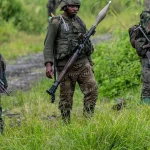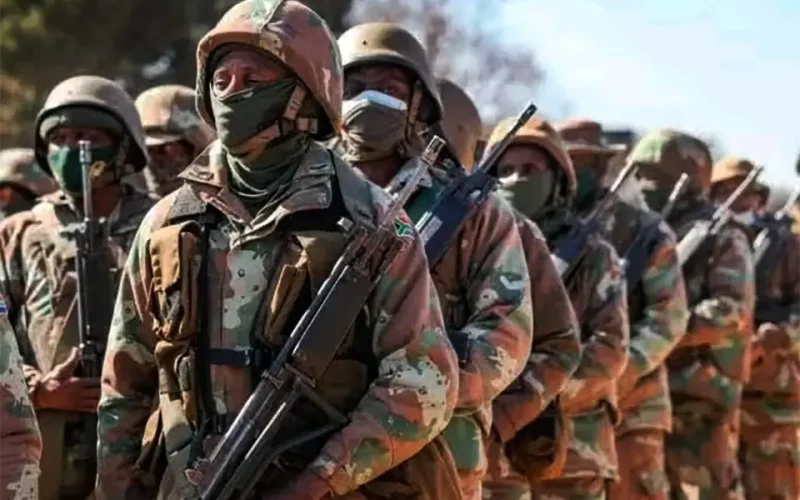
IN a significant development, the Southern African Development Community (SADC) has announced a phased withdrawal of its troops from the Democratic Republic of Congo (DRC), marking a strategic shift in the regional bloc’s approach to addressing the escalating conflict in the eastern part of the country. This decision comes as the security situation continues to deteriorate, with the M23 rebel group making significant advances and humanitarian needs reaching unprecedented levels.
The SADC’s decision was made during an extraordinary summit held on March 13, 2025, in Harare, Zimbabwe. The summit concluded that the mandate of the SADC Mission in the DRC (SAMIDRC) would be terminated, and a phased withdrawal of troops would commence. This move has been welcomed by some, including the Democratic Alliance (DA) in South Africa, which has long advocated for the withdrawal due to the harsh conditions faced by soldiers. However, the DA emphasized the need for a secure withdrawal to prevent sensitive equipment from falling into the hands of the M23 rebels.
Rwanda’s Foreign Minister Olivier Nduhungirehe viewed the withdrawal as a positive step toward achieving peace in the region, despite allegations that Rwanda supports the M23, which it denies. Meanwhile, African Defence Review Director Darren Olivier noted that the withdrawal was inevitable given the M23’s capture of key cities like Goma and Bukavu, rendering the SAMIDRC mandate unviable.
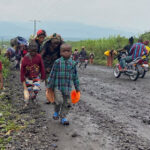
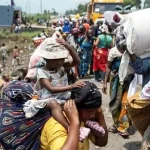
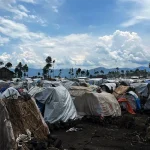
The conflict in eastern DRC has been ongoing for decades, with recent escalations causing widespread displacement and humanitarian crises. Since January 2025, the M23 has made significant territorial gains, capturing major urban centers such as Goma and Bukavu, and advancing toward other strategic locations like Uvira. This has resulted in over 7,000 reported deaths and the displacement of an unprecedented 7.3 million people within the DRC, with more than 86,000 fleeing to neighbouring countries.
The SADC’s decision to withdraw its troops coincides with a significant shift in the stance of DRC President Felix Tshisekedi, who has now indicated a willingness to engage in peace talks with the M23 rebels. This development follows weeks of resistance to dialogue, and it marks a crucial step toward potential negotiations. Angola has announced that these talks will begin on March 18, 2025, in Luanda, providing a new avenue for resolving the conflict.
As the SADC troops prepare to leave, the focus shifts to ensuring a coordinated exit strategy while addressing the pressing humanitarian needs in the region. The success of the upcoming peace talks between the DRC and the M23 will be crucial in determining the future stability of the region. The SADC has reaffirmed its commitment to supporting interventions aimed at achieving lasting peace and security in the Eastern DRC, in line with the SADC Mutual Defence Pact of 2003.
The SADC’s decision to withdraw its troops from the DRC marks a significant shift in regional strategy, reflecting both the challenges faced by the peacekeeping mission and the evolving dynamics of the conflict. As the situation continues to unfold, international attention will remain focused on the humanitarian and security implications of this withdrawal and the potential for peace negotiations to bring lasting stability to the region.