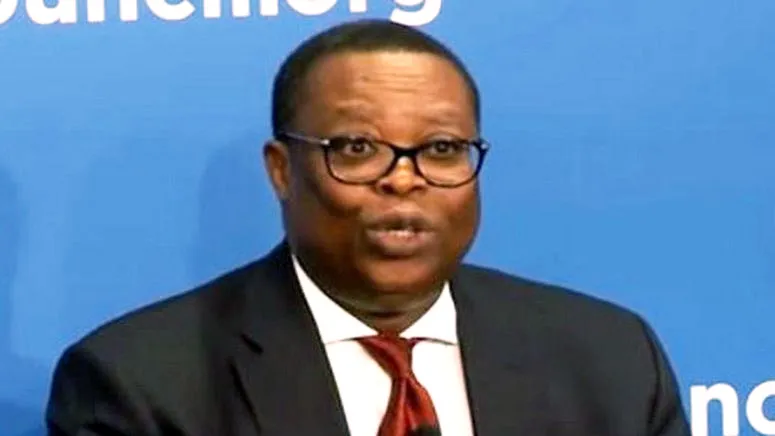
NIGERIA’S President Bola Ahmed Tinubu has plunged his administration into fresh controversy with the appointment of Ayodele Oke as Ambassador-designate, reigniting one of Nigeria’s most explosive corruption scandals and raising fundamental questions about the government’s commitment to accountability.
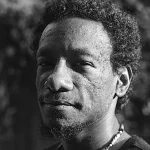
The nomination of Oke, 66, a retired career diplomat who served as Director General of the National Intelligence Agency (NIA) until his dramatic suspension in 2017, represents perhaps the most politically toxic appointment of Tinubu’s presidency — one that threatens to undermine his administration’s credibility both domestically and internationally.
The $43 Million Apartment Scandal
The controversy surrounding Oke centres on events from April 2017, when Economic and Financial Crimes Commission (EFCC) operatives, acting on intelligence that a “haggard” woman in “dirty clothes” was moving suspicious bags in and out of a seventh-floor luxury apartment in Lagos’s affluent Ikoyi district, raided the property.
What they discovered sent shockwaves through Nigeria: $43.4 million in US currency, £27,800 in British pounds, and 23 million naira (approximately $75,000) — all in cash, “neatly arranged” in “sealed wrappers” stashed inside wardrobes and cabinets throughout the four-bedroom flat.
The apartment belonged to Oke, then serving as Nigeria’s top external intelligence chief under President Muhammadu Buhari.
Swift Fall from Grace
Within days of the discovery, President Buhari suspended Oke pending investigation. A three-member panel led by then-Vice President Yemi Osinbajo was tasked with determining who authorised the release of such enormous sums to the NIA and whether security protocols had been violated.
By October 2017, Oke was formally dismissed from his position.
In February 2019, the Federal High Court in Lagos issued arrest warrants for both Oke and his wife, Folasade, following EFCC applications. The couple faced charges relating not only to the $43 million apartment cache but also allegations of diverting an additional $160 million in federal government funds.
Before their court date, the Okes reportedly left Nigeria for “medical treatment” abroad. The EFCC subsequently declared them wanted after repeated failures to respond to court summons.
The Vanishing Act and Mysterious Resolution
For four years, the case languished as the couple remained outside Nigeria. Then, in June 2023, the EFCC abruptly terminated legal proceedings, with court filings indicating “no wrongdoing found.” The circumstances surrounding this dramatic reversal remain murky, and critical questions persist: What happened to the recovered millions? How were the serious charges resolved? What evidence led to the case’s dismissal?
Nigerian civil society organisations and anti-corruption advocates have received no satisfactory answers.
Political Shockwaves
News of Oke’s ambassadorial nomination — reportedly to France, one of Nigeria’s most important diplomatic postings — has triggered widespread outrage across Nigeria’s political spectrum.
“This appointment is a slap in the face to every Nigerian who believed this government would uphold standards of integrity,” said one opposition senator who spoke on condition of anonymity. “We’re sending a man who fled corruption charges to represent us before the international community. The optics are catastrophic.”
Legal analysts note the troubling precedent. “Even if the EFCC withdrew charges, the fundamental questions about $43 million in cash in a private apartment have never been answered,” said Chidi Odinkalu, former chairman of Nigeria’s National Human Rights Commission. “This isn’t just about legal technicalities — it’s about moral authority to represent the nation.”
International Implications
The appointment carries particular risks for Nigeria’s international standing. France, as a major Western democracy and key partner in anti-terrorism efforts in the Sahel region, maintains strict diplomatic protocols. Oke’s controversial background could complicate bilateral relations and expose Nigeria to embarrassing scrutiny in international forums.
Western diplomatic sources privately expressed surprise at the nomination, with one European ambassador noting that such an appointment would be “unthinkable” in their own country, given the circumstances.
The Tinubu Calculation
The president’s decision to nominate Oke despite the political landmines suggests either a stunning miscalculation or a deliberate signal about his administration’s priorities. Political observers offer competing theories:
Some suggest Tinubu is rewarding loyalty networks within Nigeria’s intelligence and diplomatic establishment, prioritising internal political considerations over public perception. Others speculate the appointment reflects the president’s belief that Oke’s 2023 exoneration sufficiently rehabilitates him, regardless of lingering public doubts.
A third theory holds that Tinubu simply underestimated the intensity of public reaction in an era of heightened scrutiny over corruption.
Broader Pattern of Concern
The Oke appointment does not exist in isolation. Critics point to a pattern of controversial appointments that have dogged Tinubu’s presidency, raising questions about vetting processes and the administration’s sensitivity to reputational risks.
“Each questionable appointment erodes public trust incrementally,” noted political analyst Jibrin Ibrahim. “This one, given its scale and notoriety, could prove particularly damaging.”
What Happens Next
The nomination must still pass through the Senate confirmation process, where it faces uncertain prospects. Some senators have privately indicated discomfort with confirming Oke, though the ruling All Progressives Congress (APC) holds a comfortable majority.
Civil society organisations have announced plans for sustained advocacy against the confirmation, while social media campaigns demanding the nomination’s withdrawal have gained significant traction.
For President Tinubu, the controversy represents a crucial test of political judgment. Withdrawing the nomination would constitute an embarrassing climbdown but could contain the damage. Pushing forward risks transforming a controversy into a defining scandal that shadows his administration’s credibility.
The Unanswered Questions
As Nigeria grapples with this latest political tempest, the fundamental questions from 2017 remain unresolved: How did $43 million in cash end up in a private Lagos apartment? Where is that money now? What were the “covert operations” that allegedly necessitated such extraordinary sums in untraceable currency?
Until these questions receive credible answers, Ayodele Oke’s transformation from wanted fugitive to ambassador-designate will continue to symbolise, for many Nigerians, a system where accountability remains elusive for the politically connected — regardless of which administration holds power.
The president has not commented publicly on the growing controversy. His silence, observers note, is becoming increasingly difficult to sustain.