IN a dramatic escalation of diplomatic pressure, the United States announced sanctions today against key figures linked to the growing conflict in the eastern Democratic Republic of Congo (DRC), including Rwanda’s Minister of State for Regional Integration James Kabarebe, marking one of the strongest U.S. responses to Rwanda’s alleged involvement in the region’s crisis.
The sanctions come as Rwanda-backed M23 rebels have seized control of major cities in eastern DRC, including the strategic provincial capitals of Goma and Bukavu, in what experts describe as a significant deterioration of regional stability. The rebel advance has resulted in widespread civilian casualties and the deaths of three UN peacekeepers.
“The territorial integrity of the DRC is non-negotiable,” Secretary of State Marco Rubio declared following a direct conversation with Rwandan President Paul Kagame. The sanctions also target M23 spokesperson Lawrence Kanyuka Kingston and two of his companies, reflecting the administration’s determination to hold accountable those responsible for the violence.
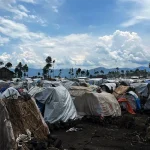
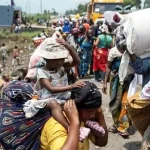
The conflict has displaced thousands of civilians and threatens to evolve into a broader regional crisis. U.S. officials emphasize that Rwanda’s continued support of M23, despite the group being designated by both the UN and United States, undermines peace efforts in the region.
The Treasury Department’s action, implemented under Executive Order 13413, comes with a clear demand: Rwanda must withdraw all its defense forces from DRC territory and return to the Angola-led Luanda Process negotiations. The sanctions signal growing international impatience with Rwanda’s role in the conflict.
“This persistent conflict isn’t just a humanitarian crisis – it’s an economic one,” a senior State Department official noted, highlighting how the instability is deterring U.S. business investment in both Rwanda and the DRC.
As tensions continue to mount, the U.S. has emphasized that a durable peace addressing security concerns remains the overriding goal, viewing it as essential for establishing a thriving regional economy in central Africa.