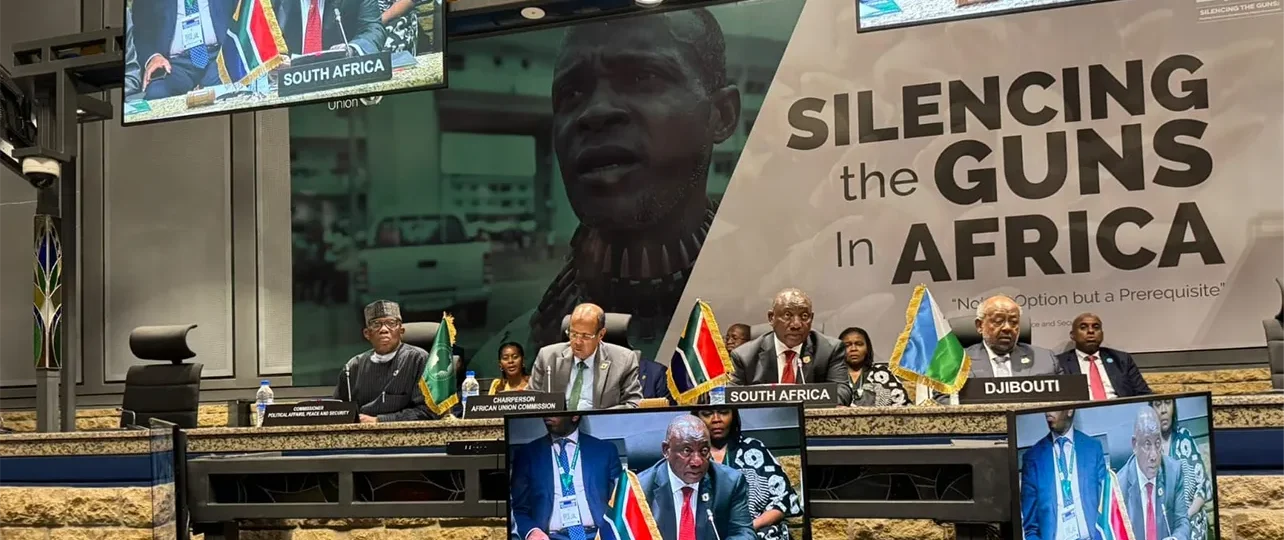

THE African Union’s 39th Summit produced a rare diplomatic breakthrough on South Sudan while exposing the organisation’s persistent inability to address the continent’s deepest crises, as leaders brokered peace commitments in one troubled nation even as wars rage unchecked across Sudan, the Democratic Republic of Congo, and the Sahel.
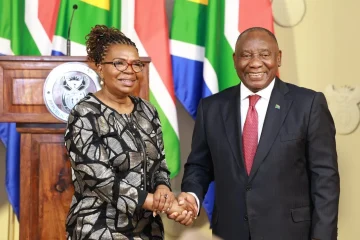
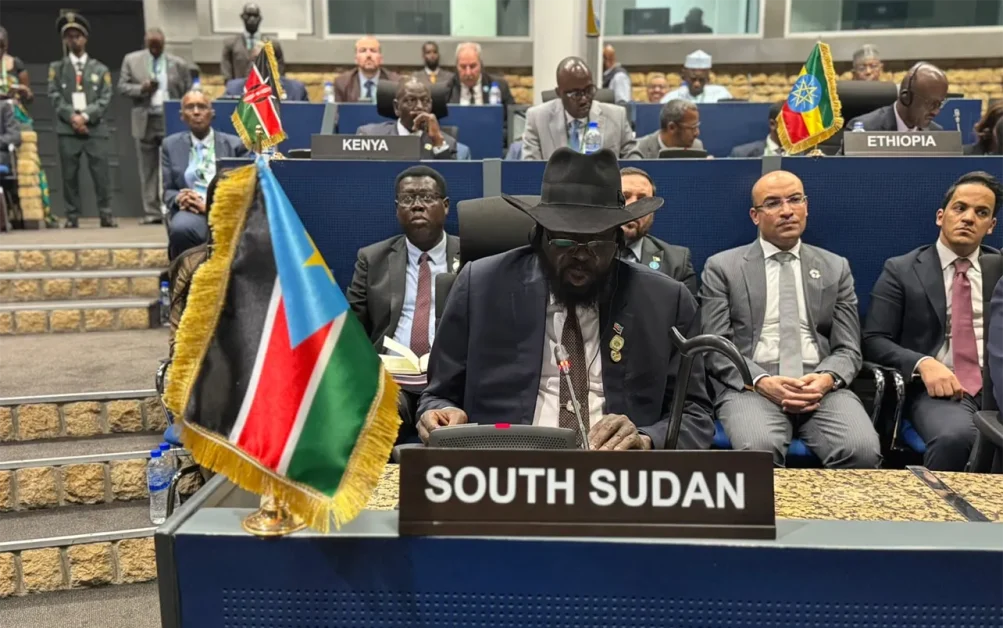
The landmark six-point agreement announced Sunday commits South Sudan’s government to immediate ceasefire, release of detained Vice President Riek Machar, and elections without further postponement – ending years of delays that have stretched the country’s transition indefinitely. South African President Cyril Ramaphosa, chairing the Committee of Five session, called it a “clear direction on the way forward” under the 2018 Revitalised Peace Agreement.
Yet the South Sudan deal stands in sharp contrast to the AU’s response to conflicts that have proven beyond its capacity to resolve. While President Salva Kiir pledged adherence to the electoral roadmap, factional violence in Sudan proper continues displacing millions in what has become one of the world’s worst humanitarian catastrophes. Armed groups still compete for mineral-rich territories in eastern DRC despite decades of AU statements. Military regimes across Mali, Burkina Faso, and Niger have consolidated power with managed elections, facing little more than symbolic condemnation.
The divergence reveals a fundamental pattern: the AU can broker agreements when governments prove willing to negotiate, but lacks enforcement mechanisms to compel action where political will is absent.
A Targeted Success
The South Sudan framework represents aggressive regional diplomacy. Under the accord, Juba must implement an immediate ceasefire, release all political prisoners, including Machar, conduct inclusive dialogue with all stakeholders, and proceed with “free and fair” elections, ensuring all eligible citizens can participate. The agreement establishes enhanced oversight, pairing the AU Commission chair with three IGAD heads of state to maintain sustained pressure throughout implementation.
Ramaphosa acknowledged formidable obstacles remain. South Sudan has missed multiple previous deadlines for elections and transitional benchmarks. Security forces remain divided along ethnic and political lines. The government has struggled to unify armed groups as required under peace agreements. UN officials have previously questioned the country’s capacity to organise credible elections, given weak institutions and ongoing security threats.
“We have heard very clearly from President Salva Kiir that they are committed to ensuring that the roadmap is adhered to,” Ramaphosa said, though he emphasised success depends on leaders acting “in good faith” to foster “national cohesion, solidarity and reconciliation.”
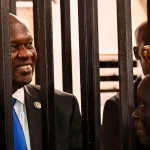
The inclusion of Machar’s release carries particular significance. The former rebel leader whose forces fought Kiir’s government in a devastating civil war has been central to implementing the 2018 peace deal. His detention has been seen as a major obstacle to the transitional process.
Whether regional goodwill translates into the political will needed to finally deliver South Sudan’s first democratic elections as an independent nation remains uncertain. But the agreement at minimum demonstrates what focused diplomatic pressure can achieve when applied to governments responsive to regional leverage.
The Crises Beyond Reach
That targeted success throws into sharper relief the AU’s paralysis on conflicts where such leverage does not exist.
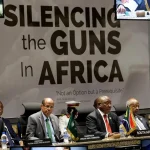
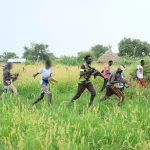
In Sudan, fighting between rival military forces has devastated civilian populations, while the AU response has consisted largely of statements and calls for dialogue. The organisation lacks enforcement mechanisms or political leverage to compel combatants toward negotiation. Summit speeches routinely express “solidarity with populations affected by conflict” and call for “silencing the guns,” yet the war continues unabated.
Eastern DRC faces a similarly intractable crisis. Despite decades of AU pronouncements on Congolese stability, the organisation has neither prevented conflict escalation nor established effective peacekeeping operations addressing root causes, rather than merely monitoring violence.
The resurgence of military coups across the Sahel represents a fundamental challenge to the AU’s stated commitment to constitutional governance. The organisation’s toolkit for addressing coups remains limited. Suspension from the AU rarely changes behaviour, particularly when affected states pivot toward alternative international partnerships. Sanctions require consensus among member states that may themselves face domestic political fragility.
The result is often symbolic condemnation followed by de facto accommodation as the continental body prioritises stability over democratic principles. When coup leaders eventually stage-managed electoral processes, the AU faces a practical dilemma it has yet to resolve: how to respond when military regimes consolidate power, sometimes with popular support, then claim electoral legitimacy.
Structural Constraints
The gap between South Sudan’s negotiated settlement and intractable conflicts elsewhere reflects several realities that summit declarations cannot overcome.
The AU operates on voluntary contributions from member states, many facing severe budgetary constraints. Without independent funding, the organisation cannot deploy peacekeeping forces, impose meaningful sanctions, or support democratic transitions without member state buy-in. Political will presents an even greater obstacle. Governments reluctant to face criticism for their own democratic shortcomings or human rights records are unlikely to support aggressive AU intervention elsewhere.
AU Commission Chairperson Mahmoud Ali Youssouf acknowledged the challenge, telling assembled leaders that “institutional reform and financial self-reliance are now imperative as external funding declines.” He called for stronger domestic resource mobilisation—a message that resonates particularly in South Sudan, where international donors have grown weary of funding a seemingly endless transition.
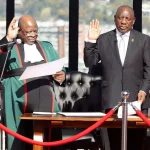
Burundi President Évariste Ndayishimiye inherits the AU chairpersonship at a moment of acute crisis. Outgoing chair João Lourenço of Angola stressed that Africa’s progress hinges on “silencing the guns” and warned against legitimising military coups through subsequent elections – yet offered no mechanism for translating that principle into enforcement.
What Summits Deliver
The 39th Summit’s outcomes illustrate what AU gatherings actually accomplish versus what they cannot achieve.
Summits provide diplomatic forums for bilateral meetings, establish thematic priorities shaping continental discourse, and create space for collective positioning on global issues. They can facilitate agreements between willing parties, as demonstrated by the South Sudan breakthrough. They articulate aspirational visions and reaffirm principles.
What they cannot do – given current constraints – is compel member states to stop wars, restore democracy, or respect human rights when those states choose not to. The consensus-based decision-making model means bold action can be blocked by governments with vested interests in avoiding precedents for external interference. The rotating chairship further complicates sustained focus, as each annual transition brings new priorities that often replace last year’s commitments.
The selection of development themes – water security, infrastructure, youth employment – represents legitimate long-term priorities. Yet emphasis on such agendas can obscure immediate crises, undermining any possibility of achieving development goals. How can infrastructure be built in eastern DRC while armed groups control territories? How can agricultural transformation proceed in the Sahel when military governments prioritise security expenditure over development?
The Peace and Security Gap
The AU established an elaborate Peace and Security Architecture precisely to address conflicts and instability. Yet the gap between institutional design and operational capacity remains vast.
The Peace and Security Council can issue communiqués but lacks resources and political backing to deploy effective interventions. The African Standby Force, conceived as a rapid-deployment capacity for crisis response, remains largely aspirational two decades after its conception. When crises erupt, the AU typically lacks the capacity for immediate, decisive intervention and instead relies on diplomatic initiatives that perpetrators of violence can simply ignore.
The invocation of “African solidarity” at summits often translates into reluctance to criticise fellow member states publicly. While this approach may preserve diplomatic relationships, it can also enable continued abuses by signalling that continental institutions prioritise harmony over accountability.
Mounting Turbulence
The AU confronts what Youssouf described as “mounting geopolitical turbulence” and “persistent conflicts” across the continent. The South Sudan agreement demonstrates the organisation retains capacity for targeted diplomatic success when conditions align—willing governments, focused regional pressure, and clear frameworks for implementation.
Yet for citizens living through wars in Sudan and DRC, for populations watching democratic institutions erode across the Sahel, and for victims of human rights violations across the continent, the fundamental question remains: can the AU translate concern into action on crises where political will is absent?
The 39th Summit’s outcomes suggest the answer is no. The organisation can shape discourse, broker agreements between willing parties, and provide diplomatic cover for action by subregional bodies. What it cannot do is compel member states to act against their perceived interests or deploy the resources necessary for robust intervention.
Until member states demonstrate willingness to fund effective interventions, accept external accountability for democratic and human rights standards, and prioritise collective enforcement over narrow sovereignty concerns, summits will continue producing statements on the continent’s deepest crises while delivering solutions only where governments prove responsive to diplomatic pressure.
The South Sudan breakthrough offers hope that focused regional engagement can still achieve results. The silence on Sudan, DRC, and the Sahel’s military coups reveals the limits of what summits can accomplish when that engagement meets resistance. The pattern repeats: problems are acknowledged, principles are reaffirmed, and for conflicts beyond diplomatic reach, the suffering continues unabated.