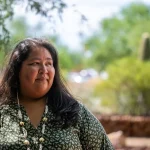
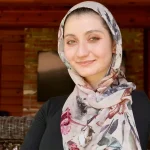
WHEN Aminata Soucko arrived in Spain from Mali she was like a prisoner. Unable to speak the language and trapped at home by a violent husband whom she had been forced to marry, Aminata was desperate and alone.
“My husband was my translator. I didn’t understand anything in Spanish, and he didn’t want me to learn Spanish either,” she said. One day, she slipped out of their home in the eastern city of Valencia and bumped into a woman from Mali who helped her find a language course.
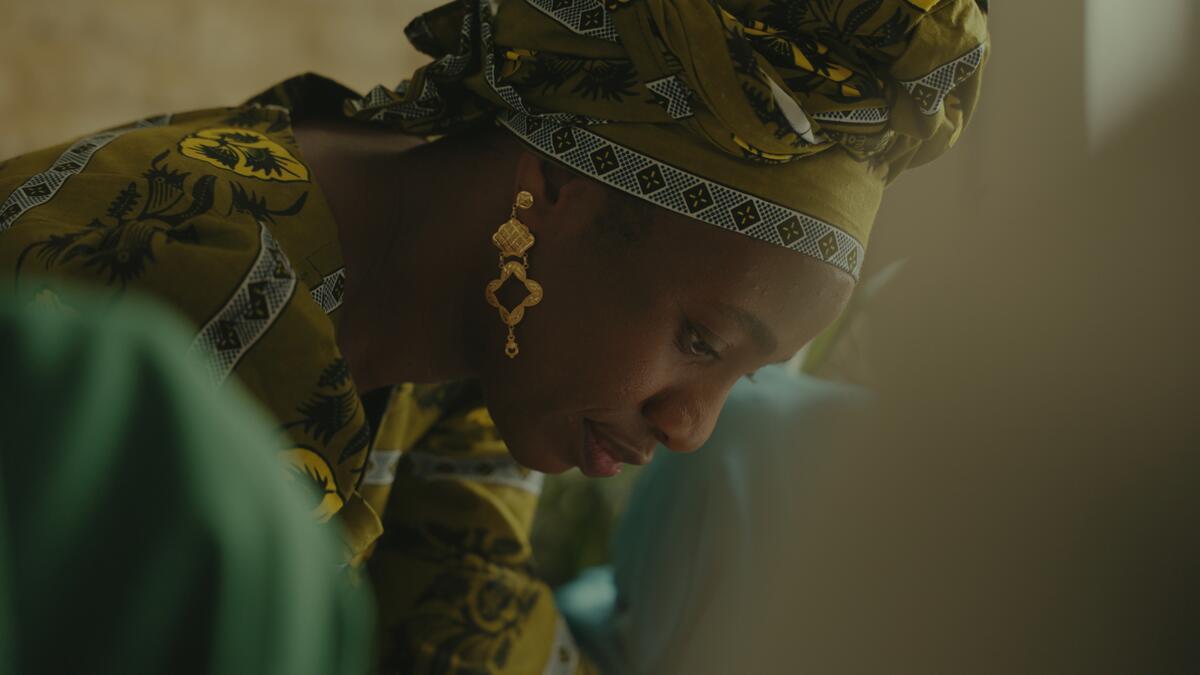
That chance encounter was the start of a dramatic shift in Aminata’s life, one that has seen her become an inspiration and source of sanctuary for others struggling to recover from female genital mutilation (FGM) and other forms of gender-based violence. “Learning Spanish has been like a door to freedom and an escape from all the violence I was experiencing,” she said.
Dreams destroyed
Born in culturally conservative Mali, Aminata was one of 30 siblings and as a newborn child endured the harmful traditional practice of FGM, whereby female genital organs are altered or injured for non-medical reasons.
Growing up, Aminata worked hard to pursue her ambitious dream of becoming a doctor and was on course when, aged 17 and on the verge of completing high school, she was forced to marry. When Aminata was told she was going to her wedding instead of school, she broke down in tears.
Trapped in a stifling and violent marriage, Aminata was forced to leave Mali to live with her husband who found work in Spain. “In my culture, when a woman marries, it’s the man who decides your destiny,” she said. It was not until she learnt to speak Spanish that freedom came within reach and Aminata felt able to take the courageous step of reporting her abusive husband to the authorities.
“I was the first woman among all my fellow countrywomen here to file a complaint. It was very difficult. There was a lot of physical and sexual violence [in my marriage],” she said. The move was not without costs: Aminata has been rejected by her family and ostracized for breaking cultural norms and speaking out against gender-based violence, discrimination and FGM.
A network of support
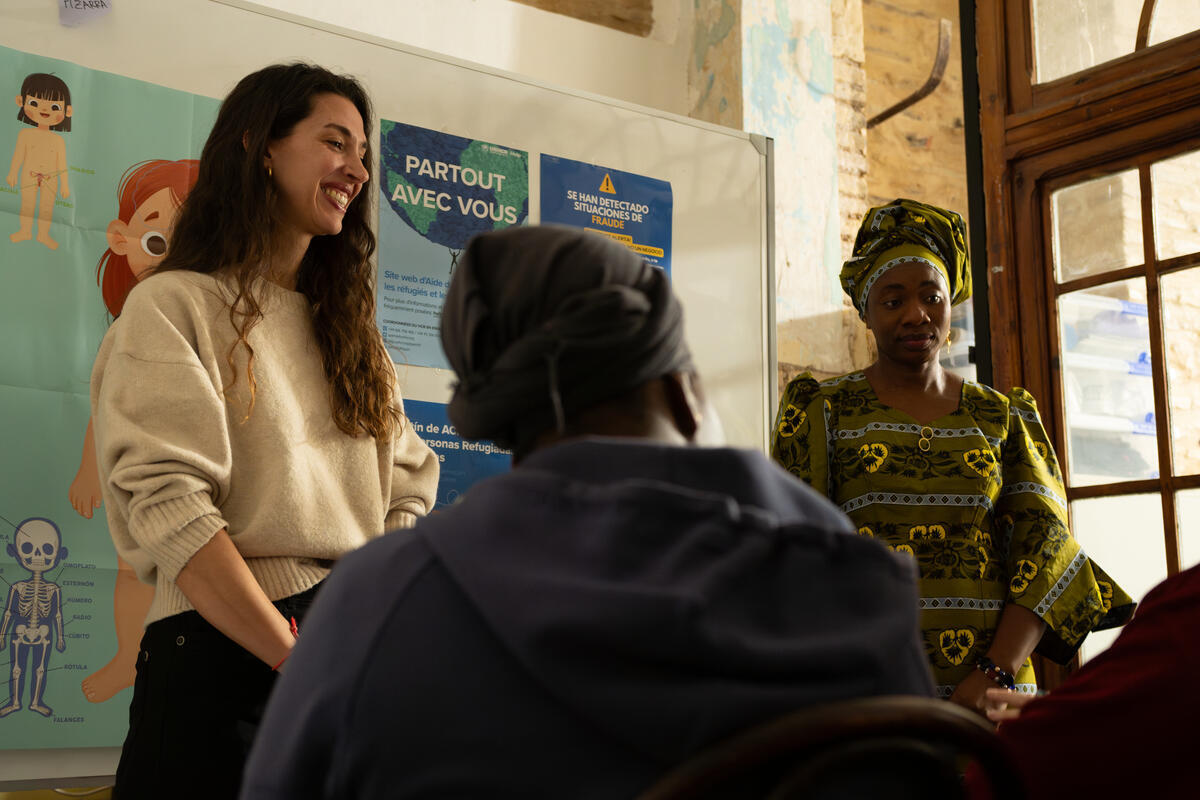
Her association, Red Aminata (Aminata Network in Spanish), advocates for an end to FGM and gender-based violence. In partnership with UNHCR, the UN Refugee Agency, it provides refugee women with Spanish language classes and a safe space to share their stories and build a community.
“We are a network of women who support each other. If I have something to share, we share it together. If we need to cry, we cry together,” Aminata said. Attending the classes is “an opportunity for women to leave their houses, learn about their rights, and understand that they also have the right to seek asylum.”
FGM causes extreme physical and psychological harm and is internationally recognized as a severe human rights violation, yet it persists globally, with around 600,000 survivors in Europe alone. Girls and women who fear persecution in the form of FGM – or have survived FGM – can claim refugee status, but Aminata did not discover this until she had gone through the painful birth of a child, during which she suffered complications due to the consequences of FGM.
Afterwards, doctors told her of the possibility of clitoral reconstructive surgery and other treatments to support recovery from FGM. Aminata signed up immediately and, as she learnt more about the damaging effects of FGM – which 230 million women worldwide have been subjected to, often resulting in chronic pain and psychological trauma – she was inspired to train as a community health worker to help others in her situation.
A new generation
Now, in partnership with the medical non-governmental organization Farmamundi, she accompanies refugee women through the reconstructive process as interpreter and more. “I am there both in the consultation and on the day of surgery in the operating room,” she said. “I am like their psychologist, their mother, their aunt, because I have lived through it.”
Other survivors have become an important part of Red Aminata, using their experiences to help spread information about FGM, its prevention and recovery in their communities. Aminata plans to strengthen the network still further by opening a specialist centre to support women and girls who have been victims of different forms of gender-based violence including FGM in their countries of origin.
“If we need to cry, we cry together.”
Aminata Soucko
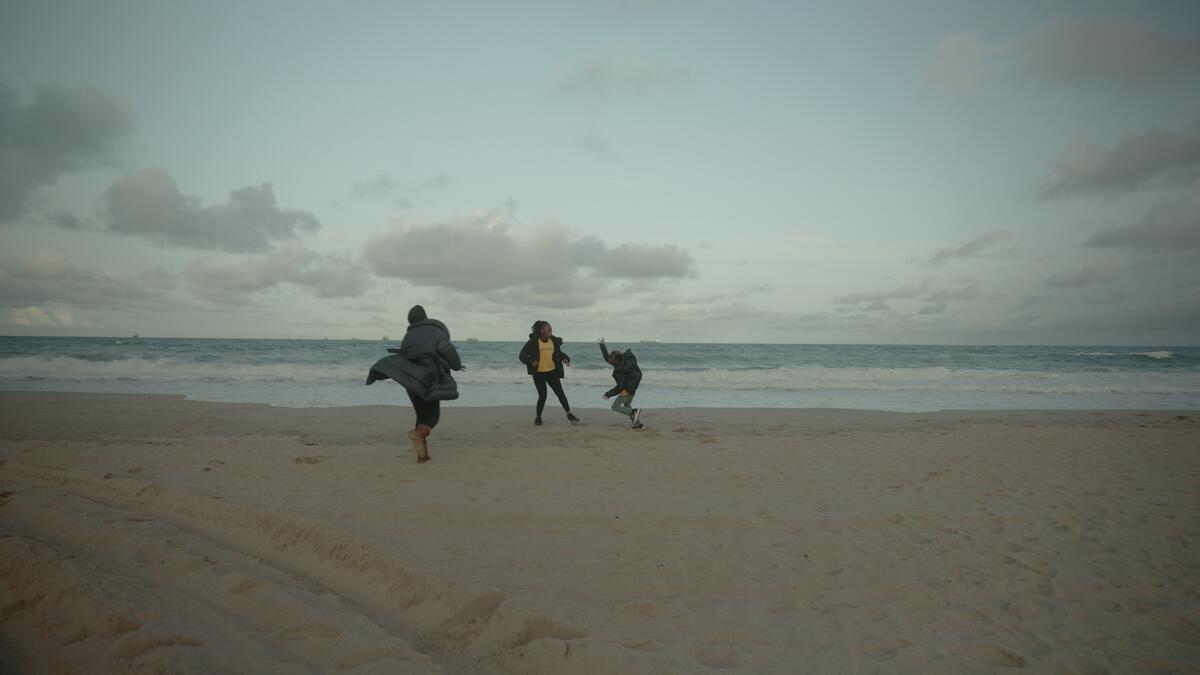
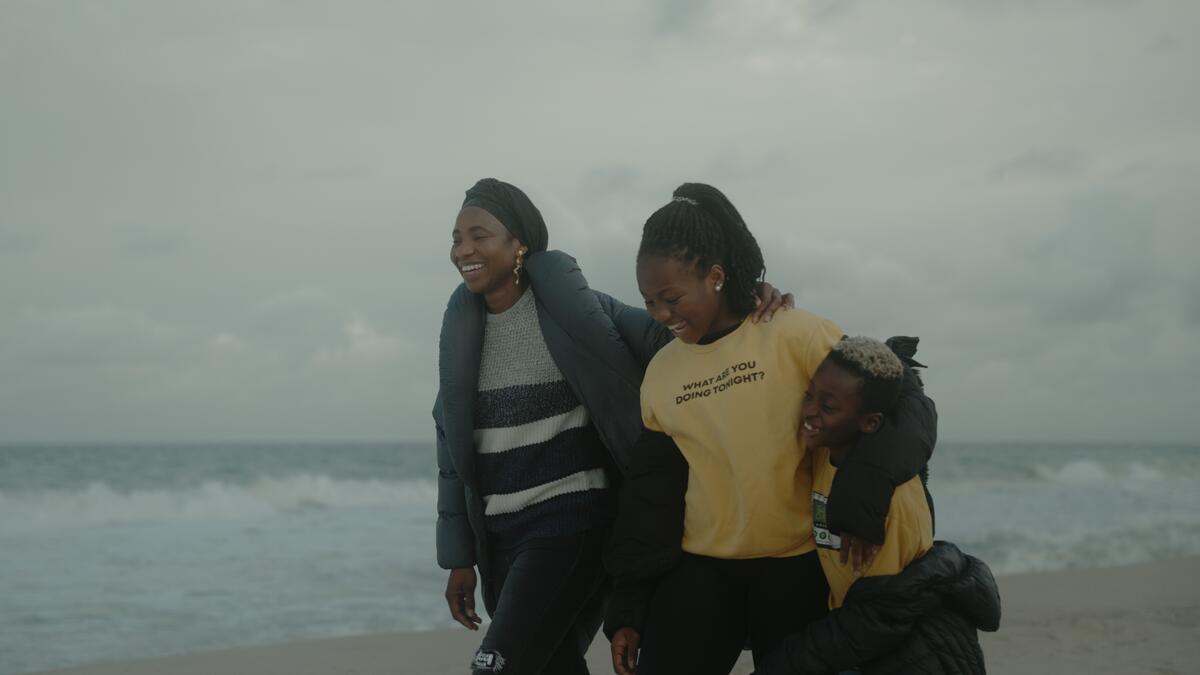
While seeking freedom for survivors like herself, Aminata is also ensuring that the harmful cultural practices she suffered are not passed on to a new generation and is committed to countering their myths: “In my culture, a single mother raising children is seen as a woman unfit to provide proper education,” she said. Aminata has two children and says that when the time comes, her daughter will choose whom she wants to marry. “I will not force her into anything like what happened to me.”