IN one of the largest international crackdowns on cultural heritage crime in recent years, a coordinated global operation has resulted in 80 arrests and the seizure of nearly 38,000 stolen artefacts, coins, and artworks across 23 countries.
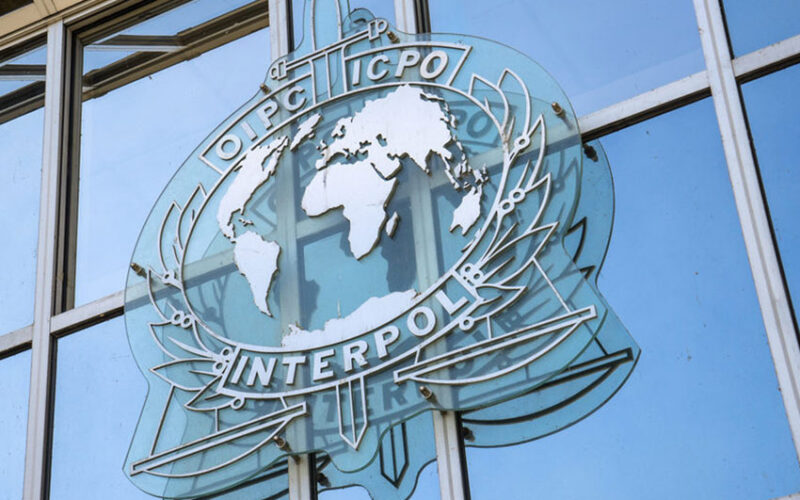
Operation Pandora IX, spearheaded by Interpol with support from Europol and the World Customs Organisation, exposed the vast scope of international criminal networks exploiting humanity’s cultural treasures for profit. The year-long investigation culminated in raids that recovered 37,727 cultural items ranging from ancient Roman coins to Byzantine icons.
“This operation demonstrates the power of international law enforcement cooperation in dismantling criminal enterprises that transcend borders,” said officials familiar with the investigation. The coordinated effort involved police and customs authorities from Albania to the United States, highlighting how modern crime syndicates operate across continents.
Criminal Networks Exposed
The investigation revealed sophisticated trafficking operations using everything from metal detectors at protected archaeological sites to social media platforms for illegal sales. Spanish authorities dismantled one criminal group that had looted 2,500 archaeological items, primarily Roman coins from the ancient Celtiberian city of Tamusia, selling them through social media channels.
In Greece, undercover officers infiltrated a network attempting to sell five stolen Byzantine icons for €70,000, leading to three arrests. Ukrainian customs intercepted 87 cultural artefacts being smuggled to neighbouring countries, while Italian authorities seized what appeared to be a €100,000 painting by renowned artist Jannis Kounellis — later determined to be a fake.
Digital Crime Wave
The operation also exposed how criminals have embraced the digital age, with dedicated cyber patrols uncovering 4,298 additional cultural goods being sold through online platforms. This digital component of the investigation revealed that e-commerce sites and social media have become primary channels for traffickers to market looted artefacts to international buyers.
Authorities confiscated 69 metal detectors and 23 specialised excavation tools, underscoring the persistent threat to archaeological sites worldwide. The seizures point to organised looting operations that systematically target protected cultural heritage sites.
International Coordination Crucial
The success of Pandora IX relied heavily on real-time intelligence sharing between participating nations. Interpol’s Stolen Works of Art database and mobile identification app proved crucial in identifying stolen items, while the World Customs Organisation’s secure communication networks enabled rapid coordination across borders.
Since launching in 2016, the Pandora operation series has become the premier international initiative targeting cultural heritage crime. The latest operation’s scope — spanning from Eastern Europe to North America — illustrates both the global nature of these criminal networks and the international commitment to protecting cultural heritage.
With 258 cases reported and many investigations still ongoing, authorities expect additional arrests and seizures in the coming months. The operation serves as a stark reminder that cultural heritage crime is not merely theft of objects, but an assault on humanity’s shared history that requires a unified global response.
The coordinated effort by 23 nations in Operation Pandora IX sends a clear message to international criminal networks: law enforcement agencies worldwide are watching, sharing intelligence, and ready to act together to protect our common cultural heritage.