UNITED Nations agencies have sounded an urgent alarm over the worsening humanitarian fallout from the Middle East crisis, warning that disruptions to key Gulf shipping routes are driving up the cost of food, fuel, and emergency supplies – and that the people least able to absorb those shocks are already feeling the consequences.
Heightened insecurity around the Strait of Hormuz has driven freight rates from relief-item source countries up by nearly 18 percent since the start of the crisis, while the transport capacity of the UN Refugee Agency’s global providers has fallen from 97 to 77 percent since the beginning of 2026, UNHCR spokesperson Carlotta Wolf told reporters in Geneva.
For some operations, the impact has been even sharper. “For some shipments, costs have more than doubled,” Wolf said, citing transport of relief items from UNHCR stockpiles in Dubai to its Sudan and Chad operations as a direct example.
UNHCR has been forced to reroute sea cargo and lean more heavily on overland corridors — measures that extend delivery times and add costs to an operation already stretched thin. The agency’s global operations are funded at just 23 percent of the $8.5 billion required.
“Each and every dollar that is spent additionally on transportation is a dollar less that we can provide to people forced to flee,” Wolf said. “The impact for the people that we serve is already there.”
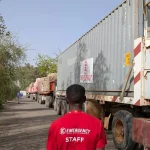
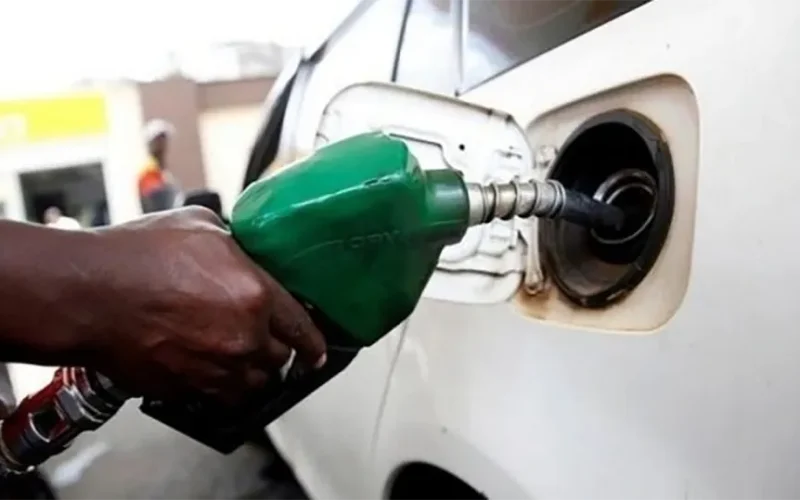
The effects are being felt with particular severity across Africa. In Kenya, where one of UNHCR’s global stockpiles is based, rising fuel prices have constrained the availability of trucks carrying emergency supplies destined for major aid operations in Ethiopia, the Democratic Republic of Congo, and South Sudan.
“People in dire need are receiving things later than what’s needed,” Wolf said, describing Africa as home to many overlapping displacement crises that are “often tragically neglected.”
Restrictions on fertilizer passage through the Strait of Hormuz are compounding the food security dimension of the crisis, pushing up agricultural input costs and stoking inflation in fragile economies where affected populations are already struggling to afford basic goods, Wolf added.
UN Secretary-General António Guterres had warned the previous day that the Hormuz crisis could push tens of millions of people into poverty, worsen global hunger, and inflict prolonged damage on the global economy.
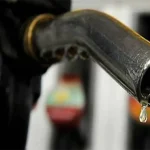
The UN Human Rights Office added its voice to those warnings on Friday, with spokesperson Jeremy Laurence stressing the immediate rights implications of the fuel shortfall. Diesel-dependent generators are being taken offline. School buses are grounded. Smallholder farmers across Africa, Asia, and Latin America cannot power the machinery on which their families depend for food.
“It always impacts the most vulnerable first,” Laurence said.