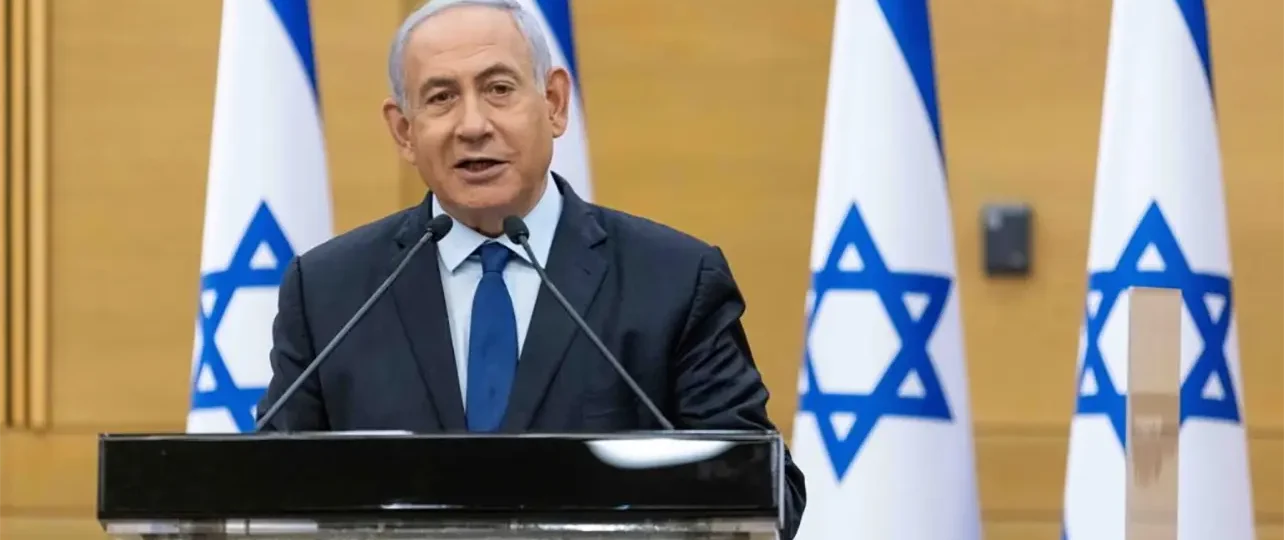

IN a dramatic escalation that has sent shockwaves through Israel’s military establishment and strained relationships with key allies, Prime Minister Benjamin Netanyahu’s security cabinet has approved a plan for the complete military takeover of Gaza City – against the explicit warnings of the Israel Defence Forces’ top brass. This decision represents more than just a tactical shift; it embodies a dangerous gamble that could reshape Israel’s strategic position in the Middle East and further isolate the nation from an increasingly sceptical international community.
The most striking aspect of this development is the rare public opposition from Israel’s military leadership. Chief of Staff Lt. Gen. Eyal Zamir’s warnings against a full occupation of Gaza represent an extraordinary break from the traditional military-political relationship in Israel, where the IDF has historically maintained disciplined silence on cabinet decisions.
The military’s concerns are both tactical and strategic. A full occupation would require years of sustained urban warfare, potentially lasting 1-2 years or more, in densely populated areas already devastated by nearly two years of conflict. The IDF leadership understands what politicians seem willing to ignore: that controlling territory is vastly different from pacifying it. Gaza’s urban landscape, now a maze of rubble and destruction, would become a breeding ground for insurgency, trapping Israeli forces in an endless cycle of guerrilla warfare.
Perhaps most critically, the military warns that advancing into areas where the remaining 20 hostages are believed to be held could trigger their execution by Hamas – turning Netanyahu’s stated goal of rescuing hostages into their death sentence. This tactical reality exposes the fundamental contradiction at the heart of Netanyahu’s strategy: using maximum force to achieve objectives that may require restraint and negotiation.
The Political Calculation Behind Military Overreach
Netanyahu’s decision to override his military commanders reveals the primacy of political survival over strategic wisdom. Facing mounting pressure from his far-right coalition partners and a public demanding decisive action, the Prime Minister has chosen escalation over the more nuanced approach his generals recommend.

The plan to displace 800,000 Palestinian residents of Gaza City before beginning the military siege demonstrates either a stunning disconnect from reality or a willful disregard for the humanitarian catastrophe such an operation would create. With Gaza already experiencing severe food shortages and a humanitarian crisis, the forced relocation of nearly half a million additional people would amount to one of the largest forced displacements in recent memory.
Netanyahu’s gamble comes at a time when Israel’s international standing is already severely strained. Key allies, including several European nations, have not only expressed growing concern over the humanitarian situation in Gaza but have taken concrete steps toward recognising Palestinian statehood. Spain, Ireland, Norway, and Slovenia have all recognised Palestine as a state, while countries like France and the UK have increasingly criticised Israel’s conduct in Gaza.
The decision to proceed with full occupation despite military warnings will likely accelerate this diplomatic isolation. Allies who have supported Israel’s right to defend itself will find it increasingly difficult to justify backing an operation that even Israel’s own military leadership considers strategically unsound and morally questionable.
The humanitarian implications are particularly damaging to Israel’s international reputation. With millions of Palestinians already facing starvation and displacement, the forced evacuation of Gaza City’s remaining residents will provide Israel’s critics with powerful imagery of mass displacement that echoes historical injustices. This visual narrative will prove far more damaging than any diplomatic statement.
What makes Netanyahu’s gamble particularly perilous is that it leads Israel into what military strategists call a “strategic trap” – a situation where tactical success becomes strategic failure. Even if the IDF succeeds in taking complete control of Gaza, the question remains: then what?
Netanyahu has rejected both Hamas rule and Palestinian Authority governance, while Arab nations have made clear their participation in any post-war administration depends on Palestinian Authority involvement. This leaves Israel with the prospect of indefinite military occupation of a hostile territory with two million residents, most of whom have been displaced multiple times and harbour deep resentment against their occupiers.
The military understands this reality better than the politicians. An indefinite occupation would require enormous resources, constant vigilance, and acceptance of regular casualties from insurgent attacks. It would transform Gaza from a strategic challenge into a strategic albatross around Israel’s neck.
The Broader Regional Impact
Netanyahu’s decision also threatens to undermine Israel’s broader regional strategy. The Abraham Accords and growing cooperation with moderate Arab states have been predicated on the understanding that Israel was seeking a sustainable resolution to the Palestinian conflict, not permanent occupation of Palestinian territories.
Arab allies who have quietly supported Israel’s right to defend itself against Hamas will find it increasingly difficult to maintain that position if Israel becomes an occupying power governing two million Palestinians by military force. The forced displacement of Gaza City’s population will resonate throughout the Arab world, potentially reversing years of diplomatic progress.
Perhaps most concerning is the absence of any clear exit strategy from this escalation. Netanyahu has promised that Israel doesn’t intend to govern Gaza permanently, but his rejection of all viable alternatives suggests either wishful thinking or deliberate obfuscation of the long-term consequences.
The military’s alternative proposal – a more cautious encirclement strategy – may not have satisfied political demands for decisive action, but it recognised the fundamental reality that military force alone cannot resolve the Gaza crisis. Politics, diplomacy, and regional cooperation will ultimately be required to achieve sustainable security for Israel.
Conclusion: The Price of Political Survival
Netanyahu’s override of military judgment represents a dangerous precedent where short-term political considerations trump long-term strategic thinking. By choosing escalation over the measured approach recommended by his military commanders, he has embarked on a path that risks not only Israeli soldiers and Palestinian civilians but Israel’s position in the international community.
The Prime Minister’s gamble may satisfy domestic political pressures in the short term, but it threatens to trap Israel in an indefinite occupation that will drain resources, isolate the nation internationally, and potentially trigger the very hostage executions it claims to prevent. When a nation’s military leadership warns against a proposed operation, political leaders ignore those warnings at their peril – and at the peril of everyone caught in the crossfire.
In the end, Netanyahu’s decision to override his generals may prove to be less about defeating Hamas and more about his own political survival. The question now is whether Israel can survive the consequences of that choice.