IN the grand hall of Geneva, where the world’s conscience gathered, Volker Türk rose, his eyes reflecting the weight of a world in turmoil. His voice, steady yet urgent, carried across the chamber as storm clouds gathered beyond the windows.
“The guardians of old are failing,” he began, his words hanging in the air like a prophecy. “Our global consensus on human rights is crumbling under the weight of authoritarians, strongmen, and oligarchs who seek to reshape the world in their image.”
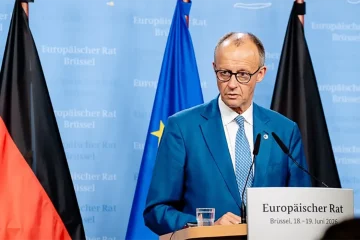
The room where the media conference was held fell silent, for they knew the truth that lay beneath his words.
From the blood-soaked fields of Ukraine came whispers of lives shattered and futures stolen. “Any sustainable peace,” Türk continued, his voice gaining strength, “must be anchored in the rights of the Ukrainian people, in accountability, and in the principles that bind us together as a global community. Make no mistake – the decisions of today, whether they foster justice or impunity, will cast long shadows into tomorrow.”
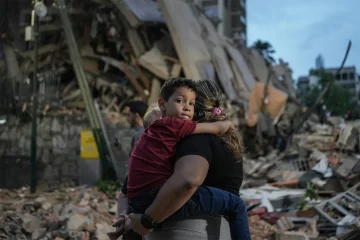
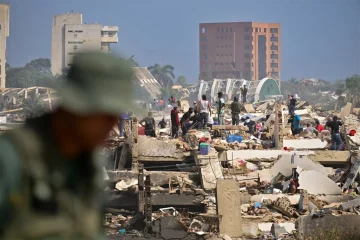
The room seemed to darken as he spoke of Gaza, where the skies rained fire and the earth swallowed innocence. “The suffering has become unbearable,” he said, his words cutting through pretence. “I call again for an independent investigation into the grave violations committed by all sides. And let me be clear – any suggestion of forcing people from their land is not merely unacceptable, it is an affront to our shared humanity.”
Beyond these headlines of horror lay countless others – Sudan’s children crying in the night, the Democratic Republic of Congo’s forests hiding unspeakable brutality, Haiti’s streets running with desperation, Myanmar’s silenced voices, and Afghanistan’s women forced back into shadows.
Türk’s gaze swept across the faces before him. “We stand at a crossroads,” he declared. “Everywhere, there are those who would have you believe that human rights are negotiable, that some deserve dignity while others do not. They create false choices, pitting one right against another as if freedom were a zero-sum game.”
Outside, the sun broke momentarily through the clouds, casting light across the chamber floor.
“But human rights—from the food on your table to the roof over your head, from the medicine that heals to the words you speak freely—these belong to everyone,” Türk said, his voice rising with conviction. “They are not gifts to be granted or privileges to be earned. They are the birthright of every human being.”
He stepped from behind the podium, closer to those gathered before him. “Today, we need more than just new policies—we need wisdom. We need leadership rooted not just in facts and law, but in compassion. Human rights go beyond thought leadership to heart leadership. They speak to our deepest understanding of what it means to be human, to treat one another with dignity.”
The light in the room seemed to strengthen as he continued, “Upholding human rights is not idealism—it is practical wisdom. It builds stability. It fosters prosperity. It paves the way to a better common future.”
As he concluded, his voice carried not just authority but something rarer—hope. “Human rights are humanity’s winning proposition. We will continue to protect, promote, and defend them around the world, with humility, determination, and indomitable hope.”
As Türk stepped back, the chamber erupted in applause. But outside, the storm clouds remained, reminding all that the battle for humanity’s soul continued—a battle between those who would build walls and those who would build bridges, between those who saw power as an end and those who saw it as a means to serve.
And in cities and villages across the globe, ordinary people waited to see which vision would prevail.