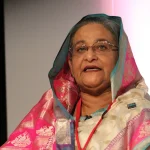
THE turbulent saga of Sheikh Hasina’s political career epitomises the rise and fall of a woman who once epitomised power in Bangladesh, only to face the ignominy of a death sentence and exile. From her early days as a survivor in the aftermath of her father, Sheikh Mujibur Rahman’s, assassination to her decades-long dominance as Prime Minister, Hasina’s journey has been as tumultuous as it is emblematic of Bangladesh’s own fractious political landscape.
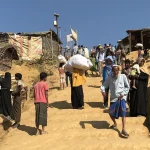
Initially celebrated for her resilience and her role in navigating Bangladesh through economic growth and international acclaim – particularly for sheltering Rohingya refugees – Hasina’s tenure was also marred by allegations of autocratic rule, extrajudicial killings, and suppression of dissent. Her consolidation of power led to mass arrests of opposition leaders and accusations of electoral manipulation. Critics and human rights organisations condemned her government’s crackdown on protests, with estimates suggesting hundreds, if not thousands, of deaths during her reign – most inflicted by security forces under her directives.
Her political rivalry with Khaleda Zia, often referred to as the “battling begums,” epitomised the fiercely divided nature of Bangladeshi politics. Yet, despite persistent internal conflicts and international scrutiny, Hasina managed to sustain her authority, securing multiple election victories since her return from exile in India in 1981. Her economic policies, meanwhile, fostered significant development, transforming Bangladesh into a key player in global garments manufacturing and earning praise for her humanitarian stance toward the Rohingya crisis.
However, her leadership increasingly became synonymous with authoritarian tendencies. Mass protests in 2024, initially over job quotas, escalated into a broader movement demanding her resignation. Her response was brutal: a crackdown that left hundreds dead and prompted an international outcry. The recent court verdict, sentencing her to death in absentia, marks a dramatic shift, revealing how her once formidable grip on power has unravelled.
Now in exile in India, Hasina’s fate hangs in the balance as she faces the consequences of her decades-long rule. Her accusations of political bias and biased tribunals echo the complex dynamics of her leadership – part democracy campaigner, part autocrat – culminating in a moment that may define her legacy for generations. As Bangladesh stands at a crossroads, the story of Sheikh Hasina remains a powerful testament to the volatile nature of power, resilience, and downfall in South Asia’s political arena.