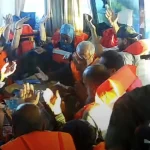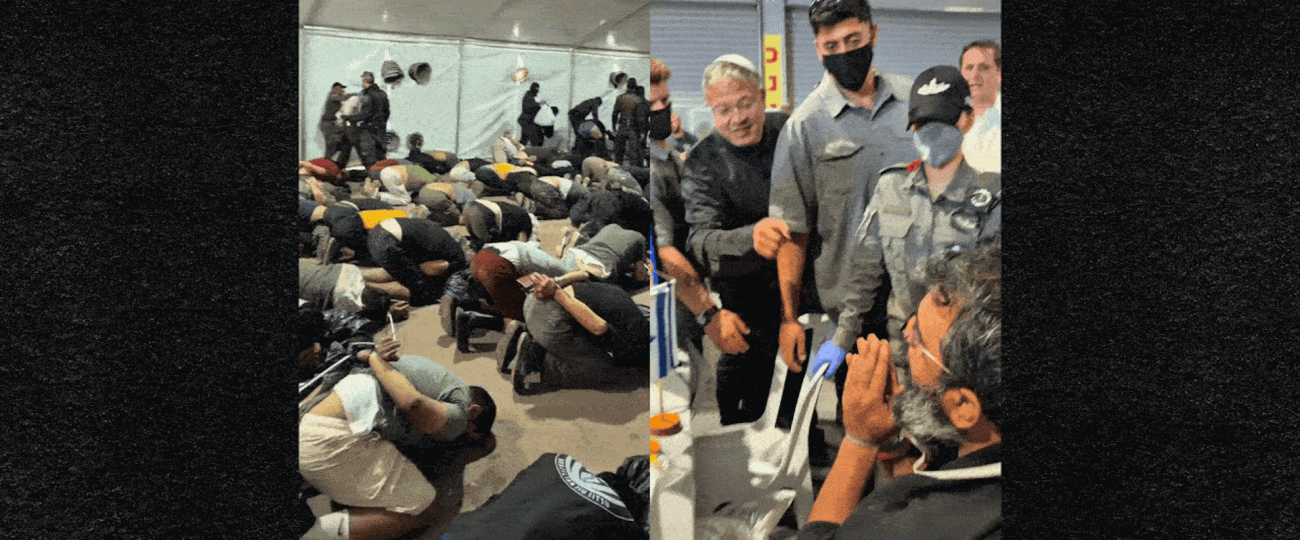

IN a video posted by Israeli National Security Minister Itamar Ben-Gvir on Wednesday night, detained activists from dozens of countries are shown kneeling on the ground with their foreheads on the floor and hands zip-tied behind their backs.
Some of the activists, who had been intercepted by Israeli forces on a flotilla in the Mediterranean Sea, are then pushed and dragged by Israeli personnel. Ben-Gvir is seen waving an Israeli flag and taunting them.
The video on his X account had a simple message in English: “Welcome to Israel”.
The video sparked widespread international condemnation. Australian Foreign Minister Penny Wong called it “shocking and unacceptable”, while the European Union’s foreign policy chief, Kaja Kallas, said the treatment of the detainees was “degrading and wrong”.
Even Mike Huckabee, the US ambassador to Israel and a stalwart supporter of Prime Minister Benjamin Netanyahu, called Ben-Gvir’s actions “despicable”, saying he had “betrayed the dignity of his nation”.
Netanyahu himself also publicly rebuked Ben-Gvir. He said Israel had the right to stop the flotilla, but the minister’s behaviour had damaged Israel’s image and did not reflect the country’s values.
Even though international lawyers like myself have expressed concern about this on multiple occasions, it bears repeating: international law matters in conflict zones.
So, what obligations does Israel have to treat those detained by its forces, and did the country violate the law?
Why were the activists detained?
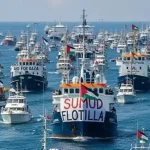
Israeli forces began intercepting the Gaza-bound Global Sumud flotilla on Monday in international waters off the coast of Cyprus. Dozens of boats were stopped as they attempted to challenge Israel’s maritime blockade of Gaza.
The flotilla reportedly carried more than 400 activists from over 40 countries. Those on board included humanitarian volunteers, medical personnel, peace activists, and civil society figures. Organisers said the vessels were carrying humanitarian relief supplies, including food, medicine, and other aid intended for Palestinian civilians affected by the war and blockade of Gaza.
Israel disputed the flotilla’s aid-delivery purpose and described it as “a PR stunt at the service of Hamas”.
After those on board were arrested, they were reportedly subjected to violence, with some suffering suspected broken ribs and other injuries.
In a post on X, the Israeli Foreign Ministry claimed Israel was acting in full accordance with international law.
What does the law say?
Under international humanitarian law, those involved in the transport and distribution of relief supplies must be respected and protected during armed conflict. They are to be treated as civilians so long as they do not directly take part in hostilities.
Bringing aid to the civilians of Gaza does not amount to “direct participation in hostilities”. In fact, the International Court of Justice has ordered Israel to allow aid into Gaza, given its obligations under the Genocide Convention.
International humanitarian law also says civilians may not be detained arbitrarily in conflict zones. If civilians are detained, however, they have certain rights under international law. They must:
- be informed of the reasons for their detention
- be able to challenge the detention decision
- receive adequate food, hygiene, and medical care
- be given access to lawyers and consular representatives, in addition to contact with their families, and
- be held in conditions consistent with health and humanity.
Internment of civilians is only permitted when “absolutely necessary” for security reasons. It must end once those reasons no longer exist.
In addition, civilians detained during armed conflict must be treated humanely at all times.
They are to be protected from:
- violence and torture
- cruel, humiliating, or degrading treatment
- intimidation and insults, and
- “public curiosity” or degrading public exposure.
The phrase “public curiosity” has historically been understood to prohibit humiliating displays of detainees for propaganda, intimidation, or public spectacle.
Intentional attacks against humanitarian personnel can amount to war crimes under the Rome Statute of the International Criminal Court.
Why does this matter?
The public humiliation and degrading treatment of the activists shown in the footage must be scrutinised and investigated. And Israeli officials must comply with their obligations under the law.
These protections exist precisely to preserve a minimum standard of humanity during conflict, and to ensure civilians and humanitarian actors are not stripped of their dignity for political theatre, intimidation, or punishment.
When such conduct is normalised or left unchallenged, it risks undermining the broader international legal framework designed to protect all civilians caught up in armed conflict.
- This article is republished from The Conversation under a Creative Commons license. Read the original article.