THE United Nations human rights office expressed grave concern Tuesday over Cuba’s worsening economic crisis, warning that widespread power outages are putting lives at risk by compromising hospitals, water systems, and other critical infrastructure.
“We are extremely worried about Cuba’s deepening socio-economic crisis,” UN human rights spokesperson Marta Hurtado told reporters at a press briefing in Geneva. “This is having an increasingly severe impact on the human rights of people in Cuba.”
The crisis stems from multiple factors, including Cuba’s decades-long U.S. financial and trade embargo, extreme weather events, and recent American measures restricting oil shipments to the island nation. Cuba’s heavy dependence on imported fossil fuels has left it particularly vulnerable to the current oil scarcity.
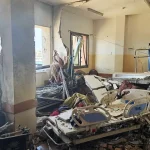
Hurtado said the fuel shortage has created a cascading crisis across essential services. Intensive care units and emergency rooms are compromised, while the production, delivery, and storage of vaccines, blood products, and temperature-sensitive medications are at risk.
The electricity crisis is also undermining access to clean water, as more than 80 percent of Cuba’s water pumping equipment depends on electrical power. The blackouts further affect communications and access to information across the island.
“The long-term, sustained impact of sectoral sanctions creates economic hardship and weakens the State’s capacity to fulfil its core responsibilities, including providing protection and assistance services,” Hurtado said, adding that this “increases the risk of fueling social disruption in Cuba.”
UN High Commissioner for Human Rights Volker Türk reiterated his call for all states to lift unilateral sectoral measures, citing their “broad and indiscriminate impact on the population.”
“Policy goals cannot justify actions that in themselves violate human rights,” Hurtado said.
The UN also urged the Cuban government to respond to the crisis in accordance with international human rights law, prioritising the needs of the most vulnerable while safeguarding rights to freedom of peaceful assembly and expression.