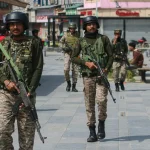
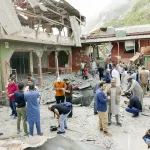
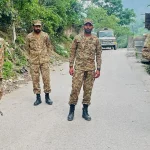
THE skies above the Indian subcontinent have darkened once again with the thunder of warplanes and the roar of artillery, as India and Pakistan-two nuclear-armed neighbours-stand on the precipice of a conflict more perilous than any in recent memory. The world watches anxiously as the old wounds of history bleed into the present, threatening to engulf South Asia in a crisis with global consequences.
The immediate trigger for this latest conflagration was a brutal attack on April 22, 2025, in Indian-administered Kashmir, where gunmen killed 26 people, mostly Hindu tourists. India swiftly blamed Pakistan, identifying the attackers as Pakistani nationals and branding them as terrorists orchestrating violence in the disputed territory. Pakistan vehemently denied any involvement, demanding an impartial investigation and warning of dire consequences if provoked further.
In the early hours of Wednesday, May 7, India launched “Operation Sindoor,” a series of precision strikes targeting what it described as terrorist infrastructure in Pakistan and Pakistan-administered Kashmir. The Indian Army emphasised that its actions were “focused, measured and non-escalatory,” insisting no Pakistani military facilities were targeted and that considerable restraint was exercised. Nevertheless, the strikes resulted in at least 26 deaths and dozens of injuries on the Pakistani side, with Pakistan responding in kind-retaliatory fire claimed at least eight Indian lives and ignited heavy artillery exchanges along the volatile Line of Control.
Pakistan’s response was swift and fierce. Its military claimed to have shot down several Indian jets and captured Indian soldiers, vowing to respond to what it called an “act of war.” Missiles struck civilian sites, including mosques in Bahawalpur and Muzaffarabad, deepening the tragedy and inflaming passions on both sides. Flight diversions, blackouts, and high-level crisis meetings in New Delhi and Islamabad underscored the gravity of the situation.
The roots of this conflict run deep, entwined with the very birth of the two nations in 1947. The partition of British India created Hindu-majority India and Muslim-majority Pakistan, but left the fate of princely states like Kashmir unresolved. The First Kashmir War erupted almost immediately, as both countries claimed the mountainous region. The war ended in 1949 with a UN-brokered ceasefire, leaving Kashmir divided but disputed, a wound that has never healed.
Subsequent wars in 1965 and 1971, the latter leading to the creation of Bangladesh, further entrenched animosity. The Siachen conflict, the Kargil War of 1999, and countless border skirmishes have kept the region on edge for decades. At the heart of it all lies Kashmir, a land of breathtaking beauty and relentless bloodshed, where every generation inherits the grievances of the last.
What makes this crisis uniquely perilous is the nuclear shadow that looms over every exchange. Both India and Pakistan possess formidable arsenals, and any miscalculation could have catastrophic consequences far beyond their borders. The United States and other global powers have urgently called for restraint, with U.S. Secretary of State Marco Rubio urging both sides to “lower tensions” and avoid further escalation.
This war is not just about territory or retaliation. It is a contest of national identities, historical grievances, and competing visions for the future of South Asia. For India, the strikes are a demonstration of resolve against terrorism and a message that attacks on its soil will not go unanswered. For Pakistan, the response is about defending sovereignty and standing up to what it sees as Indian aggression.
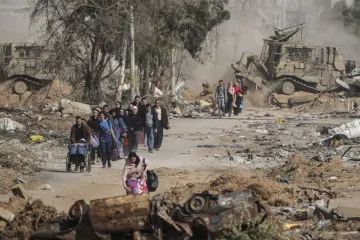
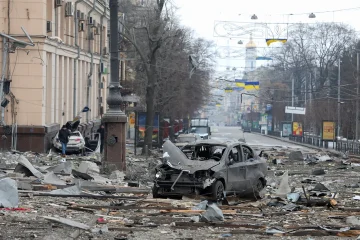
Yet, as missiles fall and families grieve on both sides of the border, the costs of war become painfully clear. The world has seen this cycle before-each time, the stakes are higher, and the risks more profound.
As the guns thunder across the Line of Control, diplomats scramble to avert a wider catastrophe. Analysts warn that emotions are running dangerously high and that the only hope lies in dialogue and restraint before the conflict spirals out of control. The people of India and Pakistan, bound by history and geography, deserve a future free from the shadow of war, a future that can only be secured if leaders on both sides choose the hard path of peace over the seductive call of vengeance.
The story of India and Pakistan is one of tragedy and resilience, of hope and heartbreak. Whether this chapter ends in further devastation or the first steps toward reconciliation remains to be seen. The world waits, breath held, for what comes next.