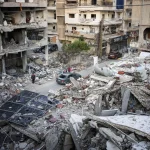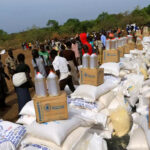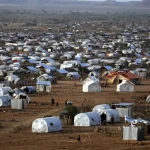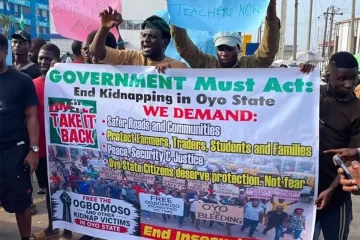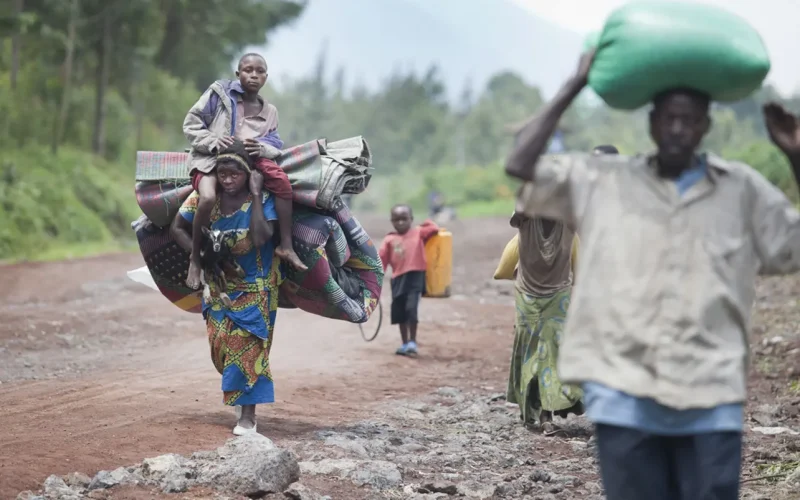
IN the heart of Africa, a beacon of hope shines bright on this momentous day. Fifteen years ago, the African Union crafted a revolutionary shield for those most vulnerable – the internally displaced persons (IDPs) who have been torn from their homes by conflict, disaster, and climate upheaval.
“The Kampala Convention represents more than a treaty,” declares Ruven Menikdiwela, UNHCR Assistant High Commissioner for Protection, his voice resonating with passion. “It is a testament to Africa’s profound commitment to human dignity. When millions are uprooted, scattered like seeds in a storm, this Convention stands as their collective promise of protection and hope.”
The numbers are staggering. Nearly half of the world’s 75.9 million IDPs call Africa home. In Sudan alone, 1.5 million people were displaced in just six months of 2024. The Democratic Republic of the Congo saw 852,000 new displacements, while Mozambique and Nigeria added hundreds of thousands more to this harrowing statistic.
Paula Gaviria Betancur, UN Special Rapporteur on the human rights of internally displaced persons, amplifies this narrative of resilience. “This Convention is Africa’s bold declaration that displacement is not a fate, but a challenge to be confronted with solidarity and strategic action,” she emphasizes.
Twenty-one African countries have already transformed this vision into tangible protection, adopting 43 laws and policies. Nations like Niger, Chad, and the Republic of the Congo have woven the Convention’s principles into their national fabric, creating pathways of hope for those most marginalized.
As the sun sets on this anniversary, the call rings clear: continued commitment, immediate ratification by remaining states, and unwavering support for those whose lives have been disrupted. The Kampala Convention is not just a document—it is a living promise of human rights, dignity, and belonging.