SINCE assuming office, U.S. President Donald Trump’s approach to Africa has been marked by a series of contentious actions and statements, signalling a potentially turbulent relationship between his administration and the continent. From neglecting to invite African leaders to his inauguration to his recent threats to cut funding to South Africa over its land reform policies, Trump’s engagement with Africa has been characterised by a lack of nuance and, at times, misinformation. His latest comments on South Africa’s land expropriation issue highlight a broader trend of misinformed policymaking that could have significant implications for U.S.-Africa relations.
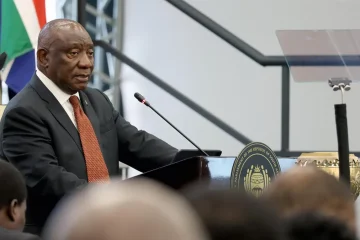
On Sunday, President Trump took to his Truth Social platform to announce his intention to cut off all future funding to South Africa, citing the government’s land reform policies as the reason. “South Africa is confiscating land, and treating certain classes of people VERY BADLY,” Trump wrote. “I will be cutting off all future funding to South Africa until a full investigation of this situation has been completed!”
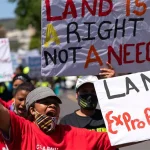
This statement reflects a fundamental misunderstanding of South Africa’s land reform process. The country’s expropriation policy, which aims to address historical injustices stemming from colonialism and apartheid, is not an arbitrary confiscation of land but a legislative effort to redistribute land more equitably. The policy is being implemented within the framework of South Africa’s constitutional democracy, with provisions for fair compensation and due process.
South African government responded to Trump’s comments with measured diplomacy, expressing hope that his advisors would use the investigative period to gain a deeper understanding of the country’s policies. “We trust President Trump’s advisors will make use of the investigative period to attain a thorough understanding of South Africa’s policies within the framework of a constitutional democracy,” the ministry said in a statement. It further noted that South Africa’s expropriation act is “not exceptional,” as many countries have similar legislation aimed at addressing historical land inequalities.
Trump’s comments on South Africa are consistent with his broader approach to Africa, which has been marked by disengagement and a lack of informed policymaking. His administration’s Africa strategy, unveiled in 2018, focused primarily on countering Chinese and Russian influence on the continent, rather than addressing the developmental needs of African nations. This transactional approach has alienated many African leaders and undermined longstanding partnerships.
Moreover, Trump’s reliance on incomplete or inaccurate information has led to misguided decisions. For instance, his administration’s decision to bomb alleged Islamic terrorists in Ethiopia in 2017 was criticized for its lack of transparency and potential to exacerbate regional instability. Similarly, his threat to cut funding to South Africa appears to be based on a flawed understanding of the country’s land reform policies, rather than a comprehensive analysis of the issue.
Trump’s approach to Africa raises concerns about the future of U.S.-Africa relations under his administration. By prioritizing narrow geopolitical interests over constructive engagement, the Trump administration risks alienating African nations and ceding influence to other global powers, such as China and the European Union, which have adopted more collaborative approaches to the continent.
African leaders and policymakers must prepare for a rocky relationship with the Trump administration, characterized by unpredictable decisions and a lack of substantive engagement. To mitigate the impact of this strained relationship, African nations should seek to diversify their international partnerships and strengthen regional cooperation. By doing so, they can reduce their reliance on U.S. support and ensure that their developmental priorities remain on track.
President Trump’s recent comments on South Africa’s land reform policies underscore the challenges facing U.S.-Africa relations under his administration. His reliance on misinformation and his transactional approach to foreign policy risk undermining longstanding partnerships and alienating African nations. As Africa continues to navigate the complexities of global geopolitics, it must prepare for a rough ride with the Trump administration and explore alternative avenues for achieving its developmental goals.
In the words of South Africa’s foreign ministry, a “well-informed viewpoint” is essential for fostering mutual understanding and cooperation. It remains to be seen whether the Trump administration will heed this advice or continue down a path of disengagement and misinformed policymaking. For now, Africa must brace itself for a challenging relationship with the United States under President Trump.