STRUCTURAL vulnerabilities, including the lingering effects of COVID-19, climate shocks, conflicts, geopolitical tensions, and mounting debt burdens, continue to stifle Africa’s progress.
The continent is grappling with a substantial debt burden amounting to 64.3% of GDP, which significantly limits fiscal space for critical investments in education, health, infrastructure, and other essential sectors.
Furthermore, our average GDP growth since 2019 has hovered around 3%, far below the 7% needed to achieve SDG 8 on work and economic growth.
In light of current global developments, it is clear that aid can no longer be considered a reliable or sustainable solution, and traditional financing models are increasingly misaligned with Africa’s development aspirations.
At this critical moment, we have no choice but to look inward and take bold, transformative actions anchored in evidence, innovation, and inclusivity, including investing in the capacity of our people and institutions, to turn things around.
With just five years to 2030, the data is sobering. Out of 144 measurable SDG targets, only 10 are on track, while 106 are progressing too slowly, with 28 regressing.
In fact, at the current rate, SDG 5 on gender equality will take decades to achieve, risking the undermining of women’s contributions to social and economic progress.
We simply cannot afford to continue at this pace. To reverse this trend, we must move beyond diagnosing our challenges to implementing bold and actionable solutions.
This forum offers us an opportunity to turn our attention to five critical SDGs, which provide a path to accelerated progress in alignment with the successful delivery of the second ten-year implementation plan (STYIP) of AU Agenda 2063.
First: SDG 3 – Good Health and Well-being
Today, millions of Africans still lack access to quality healthcare. Four out of five African countries spend less than US$86 per capita on health, well below the WHO’s recommended minimum threshold of US$249.
In 2022, health expenditure averaged just 7% of budgets, far from the 15% pledged in 2001. We must close these gaps by boosting domestic financing, strengthening health systems, and leveraging digital health solutions.
Second: SDG 5 – Gender Equality
How can Africa truly prosper when half of its population remains economically marginalized? Yet, in this day and age, women still face barriers in education, finance, and employment, and these barriers must be dismantled.
It is not right that women hold only 26% of parliamentary seats, although this has increased from 19% in 2015. Also, a 12% gender gap persists in mobile money access despite US$1.3 trillion in transactions in 2022, highlighting systemic inequalities that must be addressed.
We must enact policies that promote economic empowerment, including gender-responsive budgeting, digital inclusion, and leadership opportunities for women across all sectors.
Third: SDG 8 – Decent Work and Economic Growth
Given that 83% of Africa’s workforce operates in the informal sector, with more than 113 million people either unemployed or underemployed, and nearly a third living in extreme working poverty, the imperative to prioritize sustainable livelihoods has never been greater.
Accordingly, it is essential that we scale up vocational training, promote entrepreneurship, formalize jobs, and invest in social protections to harness our almost 1 billion-strong working-age population by 2030.
Fourth: SDG 14 – Life Below Water
Africa’s blue economy holds untapped economic potential. However, marine degradation, weak governance, and underinvestment threaten its sustainability.
We have a huge opportunity in the blue economy, which could grow from US$296 billion in 2018 to US$576 billion by 2063, but currently receives only 3.5% of SDG funding.
Illegal fishing costs us US$10 billion annually, and Africa’s Ocean Health Index lags at 52.7 against a global average of 71.4.
To this end, sustainable investments in aquaculture, coastal tourism, and blue carbon projects, modeled on Seychelles’ and Gabon’s debt-for-nature swaps, are vital to release this potential.
Fifth: SDG 17 – Partnerships for the Goals
To be clear, no country can achieve these goals in isolation. Their realization requires strengthened cooperation at the national, regional, and global levels.
In this context, as we continue to advocate for the reform of the global financial architecture, we must also commit to working together on all aspects of the SDGs.
This includes fostering stronger trade partnerships and advancing North-South, South-South, and Triangular cooperation, among others, as critical pillars of our collective progress.
Resource Mobilization Strategy
How then do we mobilize the resources to achieve the SDGs and AU Agenda 2063? I propose four strategic pillars of action for your consideration.
First: Scale Up Domestic Resource Mobilization
This includes expanding tax bases, strategically utilizing pension funds and sovereign wealth funds, strengthening revenue collection, and digitizing the economy to curb illicit financial flows.
For example, if we restrain illicit financial flows, estimated at US$89 billion annually, alongside harnessing sovereign wealth funds, we can secure billions for our developmental needs.
Furthermore, remittance-backed bonds could increase the US$53 billion FDI that flowed to Africa in 2023.
Second: De-Risk Our Economies and Elevate Capital Market Development
It is time to de-risk our economies and elevate capital market development, which will roll out the red carpet for private sector investment.
With blended finance, credit guarantees, and flourishing markets, we will direct a surge of capital to sectors like agriculture and renewable energy. This would significantly increase the 2% of global clean energy investment in Africa.
Domestic capital market development would also increase long-term resources for private sector investment in Africa.
Third: Expand Access to Affordable Finance
We need to expand access to affordable finance for our population, especially women and youth, who are financially excluded.
It is unacceptable that women today face a 12% gap in financial inclusion. Addressing this requires that we scale microfinance, digital finance, and impact investing to empower women-led small enterprises and youth entrepreneurs.
Inclusive growth is not a choice – it is the only viable path to realizing Africa’s full potential.
Fourth: Leverage the African Continental Free Trade Area (AfCFTA)
It is imperative that we leverage the AfCFTA to advance Africa’s agenda. The AfCFTA presents a unique opportunity to increase intra-African trade by 45% by 2045 and significantly drive Africa’s industrialization, job creation, and sustainable growth agenda.
We must accelerate regional value chains in green industries, agriculture, manufacturing, and services, and employ millions of our people.
Digital Transformation
There is more that we can do in the digital space. Investing in digital connectivity, artificial intelligence, blockchain solutions, and evidence-based policymaking will drive efficiencies in trade, governance, and service delivery.
Also, an African Union Protocol on Digital Trade would transform e-commerce, expand market access, and drive large-scale job creation across the continent.
Conclusion
The clock is ticking. The next five years must be marked by bold leadership, decisive policies, and strengthened partnerships that will place Africa on a trajectory of sustainable prosperity.
With our Heads of State driving policy reforms, creating an enabling business environment, and mobilizing domestic resources for sustainable development, we are more than capable of delivering.
The ECA and UN system remain committed to joining hands with you, businesses, civil society, regional institutions, and development partners to work toward and achieve the promise of the SDGs and AU Agenda 2063.
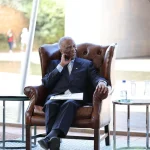
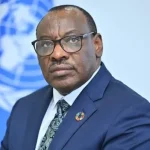
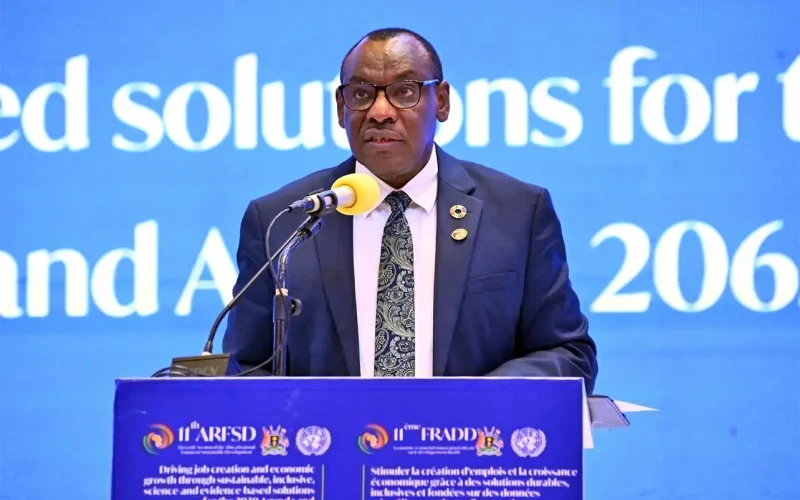
- This is an edited version of a keynote address delivered by Claver Gatete, United Nations Under-Secretary-General and Executive Secretary of ECA at the 11th Session of the Africa Regional Forum on Sustainable Development