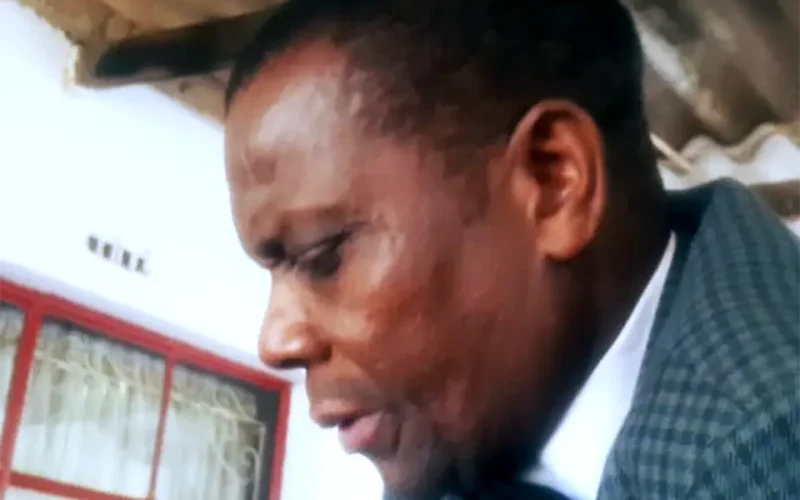
IN the crucible of South African apartheid, where dreams were meant to wither, Herman Sipho Mashapa stood as an unyielding beacon of possibility. This Mathematics and Physics teacher, short in stature but towering in spirit, transformed Thabo High School in Naledi into sacred ground where dreams took flight against all odds.
Mashapa’s very presence in the classroom represented a triumph against systemic oppression. For him and his contemporaries, merely surviving apartheid and qualifying as teachers constituted remarkable achievements in themselves. The educational barriers erected to prevent Black South Africans from advancing academically were formidable and deliberate. Yet these educators not only overcame them – they then made the profound choice to return to township schools, to plough back their hard-won knowledge into communities the system had tried to marginalise.
This decision to teach in places like Naledi wasn’t the path of least resistance. It was a revolutionary act. These educators could have sought opportunities elsewhere after scaling the walls of academic discrimination, but instead chose to become the ladders that would help the next generation climb. Their return to the townships represented a powerful rejection of apartheid’s fundamental premise – that Black minds and Black communities were somehow less deserving of excellence.
Thabo High School carved out a legendary reputation across Soweto for its remarkable achievements on the sports field. Under the guidance of headmaster Frans “Flaam” Ntsie and dedicated coaches like Daniel Pilane, the school consistently produced stellar athletes who went on to shine in football, netball, softball, and athletics at national levels. Yet what made Thabo truly exceptional was that its sporting prowess was matched by equally impressive academic accomplishments. While some schools might excel in either sports or academics, Mashapa and his colleagues ensured that Thabo students could dream of excellence in both arenas simultaneously.
Working alongside educators like Ntsie, Pilane, and Jautse, Mashapa was part of a formidable team that understood education’s transformative power. In paying tribute to Mashapa, we honour this entire cohort of dedicated teachers who, together, created an ecosystem where young minds could flourish despite the deliberate limitations imposed by the apartheid system. Each played their unique role in the tapestry of Thabo High School’s legacy of excellence.
Within the walls of classrooms where black youth carried navy blue uniforms and heavy bags filled with more than just textbooks, Mashapa worked his quiet revolution. The subjects he taught – Mathematics and Physics – were not merely academic disciplines but gateways to freedom, keys to futures that the architects of Bantu Education never intended for his students to hold.
What distinguished Mashapa was his relentless investment in his students’ potential. While the system designed education to limit, he designed his teaching to liberate. His mantra, delivered with unwavering conviction – “Take it from me, I’m the most reliable source” – was more than academic authority; it was a declaration that within the confines of oppressive structures, one could still claim intellectual sovereignty.
Mashapa understood that in Mathematics, the method mattered more than the answer- a profound metaphor for life itself. He cultivated in his students not just the ability to solve equations, but the capacity to approach problems with rigour, creativity, and persistence. His disciplined approach to learning instilled in them the confidence to challenge assumptions while respecting the foundational truths that make advancement possible.
At Thabo High School, which would have been dismissed by the apartheid regime as merely another “native reserve” institution, Mashapa and his colleagues engineered a remarkable alchemy, transforming the bitter lemons of an intentionally inferior education system into the sweet lemonade of achievement. His legacy lives on in the doctors, nurses, veterinarians, scientists, accountants, and teachers, as well as other professionals who emerged from his classroom to help build a new South Africa.
As Herman Sipho Mashapa transitions from this world, we recognise that he never truly leaves us. His spirit continues to calculate, measure, and solve through the minds he helped shape. His formulas for success – hard work, discipline, creativity within structure, and unwavering belief in potential – remain etched in the intellectual DNA of generations of students.
In remembering Mashapa, we honour not just an individual, but a vital truth: that even in the darkest times, dedicated teachers can illuminate paths forward that oppressive systems never imagined possible. His life stands as testament to the power of education, not just to inform, but to transform, turning the starry-eyed dreams of youth into the brilliant constellations of adult achievement that now light our nation’s sky.