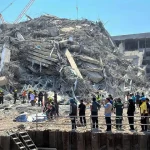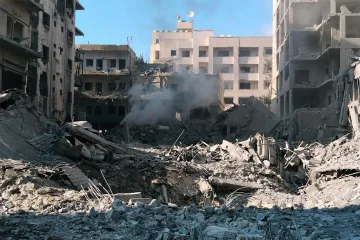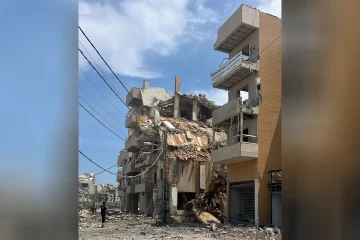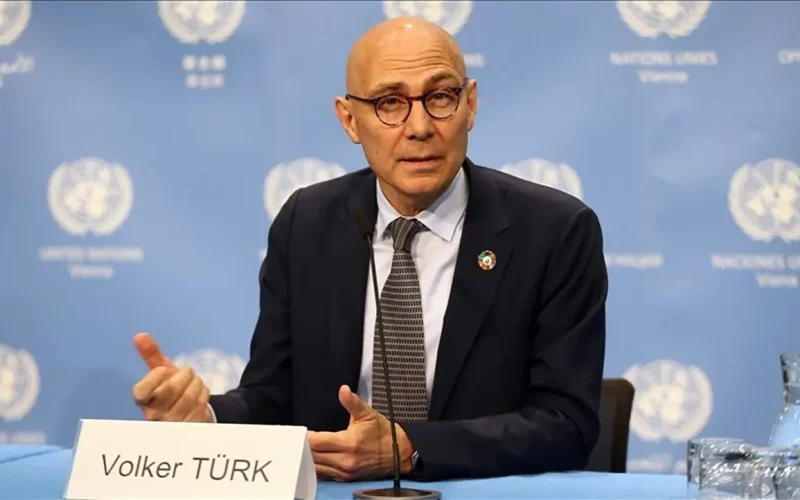
MYANMAR’S military has dramatically escalated its attacks on civilians despite announcing ceasefires following a devastating March earthquake, killing more than 500 people and injuring over 1,000 in recent months, the UN Human Rights Chief warned.
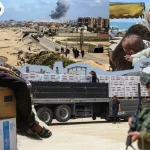
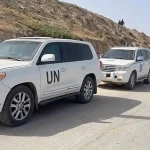
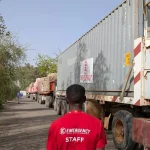
Volker Türk told the UN Human Rights Council that instead of allowing humanitarian aid to reach earthquake victims, Myanmar’s military “doubled down on violence and restricted access even further” in a systematic campaign that has targeted schools, religious sites and other protected locations.
“In many cases, airstrikes or artillery hit schools, religious sites and other protected locations,” Türk said during the 59th session of the UN Human Rights Council in Geneva.
The grim update underscores the deepening humanitarian catastrophe in Myanmar, where the military seized power in a February 2021 coup that plunged the Southeast Asian nation into chaos. Since the takeover, Myanmar’s armed forces have killed approximately 6,800 civilians while detaining more than 22,000 people, with 172 sentenced to death by military courts that fail to meet international standards for fair trials.
Rohingya Face ‘Extreme Vulnerability’
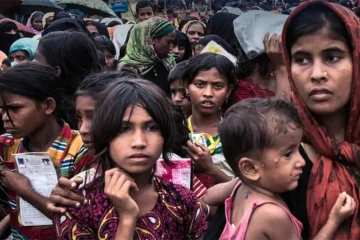
The situation in Rakhine State remains particularly dire, with the persecuted Rohingya minority caught between fighting forces. “Civilians are caught between the Arakan Army and the military, who act with complete impunity,” Türk said, expressing deep concern over the military’s blocking of humanitarian support across the state.
The conflict has created one of the world’s worst humanitarian crises. More than 3.5 million people have been displaced by fighting, while nearly 22 million need assistance. Staggeringly, over 45 million people in Myanmar – four out of five citizens – now live below or just above the poverty line.
Call for International Justice
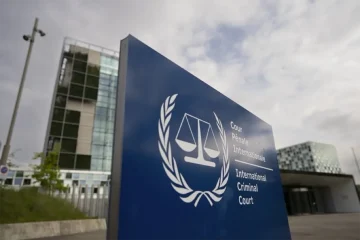
Türk renewed his urgent call for the UN Security Council to refer Myanmar’s situation to the International Criminal Court, arguing that accountability is essential for the country’s future.
“The conflict is rooted in grave violations of international humanitarian and human rights law – killings, abductions, torture, arbitrary detention – that have largely gone unpunished,” he said. “Freeing all political prisoners and bringing all perpetrators of human rights violations to justice are key to reconciliation and the way forward.”
The UN official also stressed the need to repeal discriminatory laws based on race, religion and gender, which would help protect minorities, including the Rohingya, who have faced systematic persecution for years.
Economic Devastation Fuels Crisis
Beyond the immediate violence, Türk painted a picture of economic collapse driven by corruption and cronyism. Displaced people who fled across borders told his office they wanted to return home for economic opportunities that no longer exist.
“The way forward will require a radical shift towards an economy that can ensure people’s rights are fulfilled – with investments in education, health, social protection, and inclusive policies on land and administering natural resources,” he said.
The UN Human Rights Chief repeated calls for an international arms embargo and sanctions on jet fuel and dual-use goods to better protect Myanmar’s population.
“It is imperative for the military immediately to end the violence, allow unhindered humanitarian access, and release all arbitrarily detained people,” Türk declared, noting these demands align with UN Security Council resolution 2669.
The international community continues to grapple with how to respond to Myanmar’s crisis, as diplomatic efforts have failed to meaningfully curb the military’s violent crackdown on dissent and its systematic attacks on civilian populations.