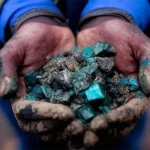
ZIMBABWE sits on Africa’s largest lithium reserves, but the country’s failure to regulate the industry properly means most benefits are flowing to foreign companies rather than local communities, according to new research.
The southern African nation has been experiencing a lithium rush since 2021, driven by global demand for the mineral essential to electric vehicle batteries. The lithium-ion battery market is worth $78.9 billion globally and is projected to reach $349.6 billion by 2034.
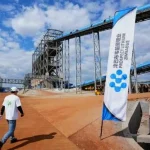
However, most of Zimbabwe’s lithium mines are now owned by Chinese companies, including Sinomine, Zhejiang Huayo Cobalt, Chengxin Lithium, Yahua and Canmax. The country exports raw lithium rather than manufacturing batteries locally, meaning “much of the value of Zimbabwe’s lithium – 480,000 metric tonnes mined since 2015 – is reaped by companies in China,” according to researcher Jabulani Shaba from the University of Groningen.
The Zimbabwean government banned raw lithium ore exports in 2022 and recently announced it will prohibit lithium concentrate exports from January 2027. The government says this will help build local processing facilities and battery production plants.
But Shaba warns that the delay is too long. “Between now and the time the 2027 ban on exporting lithium concentrate comes into effect, about 1.6 million additional tonnes of raw lithium could have been extracted and sent overseas,” he wrote in The Conversation.
Environmental justice groups estimate 3,000 tonnes of raw lithium leave Zimbabwe daily. “This means the government should not wait for 2027, but should implement the ban on lithium concentrate exports now,” Shaba said.
Communities Bear the Costs
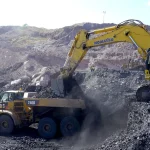
Local communities near lithium mines are paying a heavy price for the industry’s rapid expansion. Shaba describes these areas as “sacrifice zones” where residents “bear the brunt of lithium mining pollution and land grabs for mines.”
Communities in Buhera, Bikita, Mberengwa and Goromonzi “have endured years of lithium mining pollution,” including contaminated freshwater sources, toxic dust from blasting, unsafe working conditions, displacement, and “gross human rights abuses from multinational lithium mining companies,” according to Shaba.
The industry has also failed to create substantial employment. “Lithium mining has not created many jobs, and for the few that are employed, there’ve been gross human rights abuses, wage cuts, and a lack of investment in road infrastructure,” Shaba noted.
Artisanal Miners Sidelined
The 2022 export ban particularly hurt artisanal miners, who had been involved in the lithium industry but whose participation “has recently slowed down because artisanal lithium mining is largely illegal.”
“When the lithium ban was introduced, the market for processed lithium expanded, and the demand for unprocessed lithium drastically shrank. This left artisanal miners with raw lithium and a shrinking market price,” Shaba explained.
Path Forward
Despite the challenges, Shaba believes Zimbabwe’s lithium reserves could help the country achieve its Vision 2030 goal of becoming a middle-income economy with a mining industry generating $12 billion annually.
In the first nine months of 2023 alone, an estimated $209 million worth of Zimbabwean lithium was sold, demonstrating the sector’s potential.
To capture more value locally, Shaba recommends the government “establish local plans that place community development and improved livelihood of mining communities at the centre of mining.” This could include pro-poor development policies, creating employment opportunities and compelling mines to purchase locally-made goods.
The researcher also calls for bringing artisanal miners into formal value chains and ensuring “total monopoly of its lithium reserves” to achieve resource sovereignty.
“The resource communities where extraction deals are taking place must be consulted and brought into the conversation about how Zimbabwe can benefit from its lithium reserves,” Shaba emphasised.
As global demand for lithium continues to surge, Zimbabwe faces a critical window to ensure its mineral wealth benefits local communities rather than just foreign investors.