AS the world gathers in Addis Ababa for the second stock take of the UN Food Systems Summit (UNFSS+4), the urgency of transforming food systems into more resilient, sustainable and inclusive ones has never been more pressing. While driving this transformation requires many hands, one of the most vital and long-undervalued belongs to Indigenous Peoples. Far from being static, their food systems have continually adapted to changing climates, environments, and social conditions, offering valuable lessons to meet the Sustainable Development Goals, the Paris Agreement, and the Kunming-Montreal Global Biodiversity Framework.
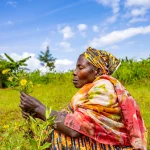
For millennia, Indigenous Peoples have cultivated diverse, adaptive, and evolving food systems, rooted in deep relationships with land, water, and ecosystems. Their traditional knowledge embeds agroecological principles, emphasising balance with nature, circularity and intergenerational equity. Beyond managing and preserving some of the world’s richest ecosystems, Indigenous Peoples are custodians of countless landraces and ancient species — from finger millet in the Himalayas, to açaí in the Amazon, and fonio in West Africa — each representing an underutilised reservoir of nutrition, climate resilience and environmental sustainability.
Despite this, too often, Indigenous Peoples are left out of the very systems meant to nourish and support communities. One example where this exclusion is particularly visible, but also highly addressable, is school meal programs. Integrating Indigenous foodways into these systems isn’t just about nutrition—it’s about rights, identity, and economic opportunities. Evidence shows that school feeding programs grounded in Indigenous knowledge can strengthen cultural heritage, enhance dietary quality, and support local economies. Brazil’s National School Feeding Programme (PNAE) exemplifies this approach, offering culturally appropriate meals for Indigenous students while engaging Indigenous farmers as key suppliers through Home-Grown School Feeding schemes.
Science must support Indigenous Peoples to make their voice be heard, by listening to them, co-creating with them, and empowering them to drive food system transformation. A recent study led by the Alliance of Bioversity and CIAT shows that Indigenous Peoples continue to face structural barriers that limit their agency, recognition, and inclusion in food systems decision-making. One of the reasons behind their marginalisation is the lack of disaggregated data, which makes their challenges invisible in national statistics, leaving vast inequalities undocumented and unaddressed. And where data exists, the disparities are staggering: Indigenous Peoples often face high rates of anaemia and micronutrient deficiencies, even in high-income countries.
As the HLPE report on Reducing inequalities for food security and nutrition has emphasised, addressing the data gap requires investing in disaggregated data collection systems to inform targeted nutrition interventions, monitor progress, and ensure Indigenous Peoples are no longer left out of food security and nutrition policies and interventions. An example of this is our work in Kenya’s Turkana County, where we engaged with Indigenous communities to better understand their dietary habits through participatory video making. Working with elders and community leaders, we then used this information to co-create locally grounded solutions to address these challenges, such as promoting school kitchen gardens and restoring food trees.
This experience shows the importance of connecting research with Indigenous communities to understand their challenges and co-create solutions for effective food systems transformation. Inclusivity must become a standard of scientific excellence. To achieve this, we need deeper, more direct collaboration with Indigenous communities—not as passive beneficiaries, but as equal partners in innovation. Crucially, this must be grounded in Free, Prior, and Informed Consent (FPIC), ensuring that Indigenous Peoples are meaningfully involved from the outset of any intervention that may affect their territories, can express their views, and approve or reject proposed actions before they are implemented, as recognized by the United Nations Declaration on the Rights of Indigenous Peoples.
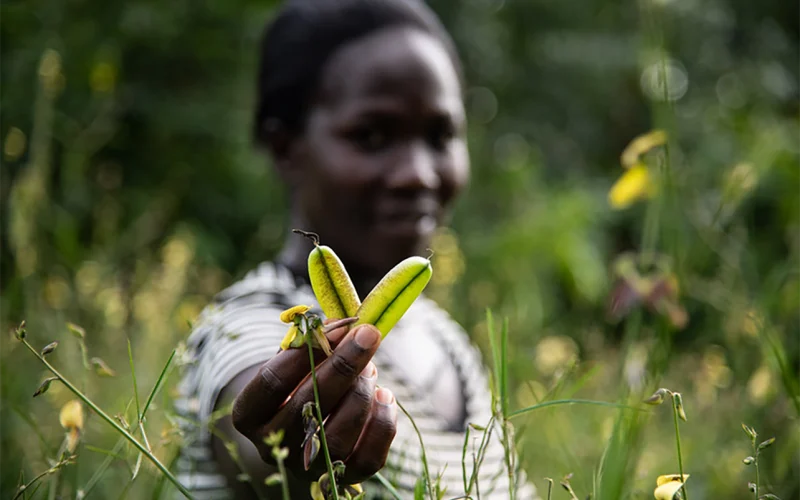
A powerful example of how traditional knowledge and scientific research can converge is taking shape in the highlands of Cumbal, Colombia. We have been working hand-in-hand with Indigenous Peoples to launch a community seedbank that safeguards native crop diversity. Together, we are building a living system of seed exchange and participatory governance that strengthens cultural identity and local food sovereignty, ensuring that local varieties — adapted to the region’s altitude and climate —continue to thrive for future generations.
Finally, science must work alongside countries, as well as global and regional institutions, to establish mechanisms that ensure the meaningful engagement of Indigenous Peoples in decision-making at all levels. A strong example of country-level action comes from Kenya, where the Ministry of Environment, Forestry, and Climate Change recently convened a workshop with Indigenous Peoples to inform the development of the Third National Climate Change Action Plan. The workshop served as a platform for Indigenous communities to voice their priorities and adaptation needs, ensuring that climate policies are both equitable and grounded in local realities.
At the global level, since 2021, the UN Food Systems Indigenous Peoples’ Coalition has been key to embedding Indigenous leadership in food systems governance. By fostering direct dialogue with policymakers, scientists, and funders, the Coalition helped to amplify voices, build capacity, and enable meaningful influence over food systems’ global discussions.
As the world turns its attention to UNFSS+4 in Addis Ababa, we must ensure that Indigenous Peoples are not just included but fully recognised as leaders in shaping the future of food systems. Their traditional knowledge must be not only valued, but also integrated into the way we design policies, fund innovations, and define solutions.
The path to resilient, nourishing, and just food systems is one that Indigenous Peoples have been walking for millennia. Let us walk it together — with open minds, grounded humility, and a shared path forward.
- By Juan Lucas Restrepo is the Director General, Alliance of Bioversity International and CIAT