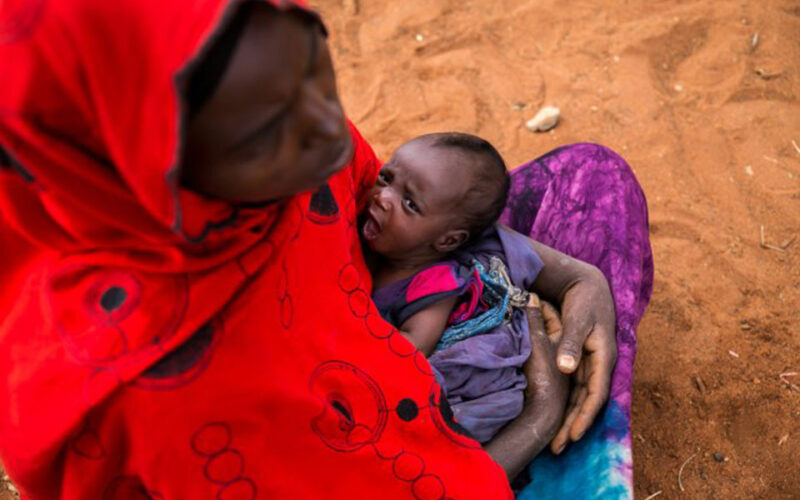
FAMINE in Ethiopia’s Tigray region during the 2020-2022 war was deliberately produced and systematically obscured by government policies designed to destroy civilian life, according to researchers who have closely documented the crisis.
In findings published by the World Peace Foundation, academics Teklehaymanot G. Weldemichel of the University of Manchester and Birhan Mezgbo of Tufts University in The Conversation argue that what happened in Tigray represents one of the least documented humanitarian disasters of recent years – and exposes critical failures in global famine detection systems.
“Famine in Tigray was not an outcome of war. It was the result of policies – a siege, economic blockade and obstruction of aid – designed to destroy civilian life,” the researchers wrote in The Conversation.
The two-year conflict, which broke out in November 2020 between the regional Tigray People’s Liberation Front and Ethiopia’s central government, has been described by some studies as genocide and the deadliest conflict of the 21st century, with an estimated 800,000 people killed through massacres, enforced disappearances and starvation.
From the war’s earliest days, occupying forces systematically destroyed and looted industries, farms, irrigation systems, food stocks and businesses across the region, home to about six million people. Within six months, mass starvation had taken hold.
“Beyond the physical damage, occupying forces actively obstructed farmers from tilling and planting their land,” the researchers documented.
The Ethiopian government and its allies then imposed a multilayered siege lasting more than two years. Banks were shut down, and bank accounts of ethnic Tigrayans – both within Tigray and nationwide – were frozen. Movement of people, goods and humanitarian aid came to a near complete halt. Communications and media access were cut off.
“The multilayered siege left Tigray almost entirely cut off from the world. Commercial and humanitarian supplies were deliberately obstructed for most of the period,” Weldemichel and Mezgbo wrote.
The researchers said the crisis revealed profound flaws in how the United Nations and international humanitarian agencies measure and classify famine. Traditional frameworks look at indicators like market food prices, malnutrition rates among displaced people, crop failure and rural livelihoods – but not urban households, civil servants or small traders who were among the worst affected in Tigray.
“The siege prevented humanitarian access and data collection. This made famine difficult to measure and easier to deny,” they wrote. “The absence of data was treated as an absence of suffering.”
Even after a 2022 African Union-brokered ceasefire, hunger and deprivation persist, especially in western zones and areas bordering Eritrea that remain under occupation.
The researchers called for urgent reforms to prevent future politically induced famines from being erased from history.
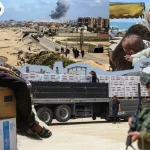
“When famine goes unrecorded, the suffering of entire populations is erased from the world’s moral and political map,” they wrote. “As a result, modern famines driven by political violence – in places like Tigray, Sudan and Gaza – are missed, downplayed or denied until it is too late.”
They recommended that the UN and humanitarian agencies reform famine assessment systems to account for politically induced starvation and include urban populations in their analyses. Human rights bodies should investigate famine as an intentional act of war, they said, while donor governments must insist on accountability from states that obstruct humanitarian access.
“In an age of global connectivity, the absence of data should trigger investigation,” the researchers concluded. “Failing to learn from Tigray will leave the world just as blind to the next famine.”