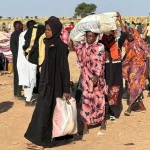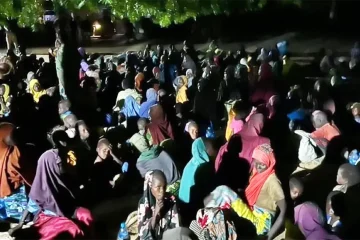
NEARLY 100,000 people have been displaced from El Fasher and surrounding villages in the past two weeks as escalating violence in Sudan’s Darfur and Kordofan regions forces families to flee their homes, many for the second or third time, the UN Refugee Agency has warned.
The displaced are navigating increasingly dangerous escape routes, with women and girls reporting rape and sexual violence during their flight from El Fasher. Armed groups have established checkpoints along evacuation routes, looting personal belongings and demanding exorbitant transportation fees from desperate families.
“Families arriving in Tawila and surrounding areas recount unimaginable horrors prior to and during their escape,” said Jacqueline Wilma Parlevliet, UNHCR’s Head of Sub Office in Port Sudan, speaking at a press briefing in Geneva.
Since the takeover of El Fasher, approximately 2,000 people have travelled more than 1,000 kilometres to reach Ad Dabbah in the Northern State, with some journeys lasting up to 15 days. They join roughly 35,000 others who arrived during the prolonged siege of the city, and thousands more are believed to be en route.
Parents are searching for missing children, while young men face arrest or forced recruitment into armed groups when their families cannot pay ransoms. In some cases, armed groups have forcibly returned fleeing civilians to El Fasher.
Thousands of people remain trapped in El Fasher itself, particularly the elderly, disabled and wounded, either prevented from leaving or lacking the means to escape. Three-quarters of the newly displaced had already been forced from their homes previously, primarily from Zamzam and Abu Shouk camps.
The violence has also spread to North Kordofan, where nearly 50,000 people have been uprooted in recent weeks.
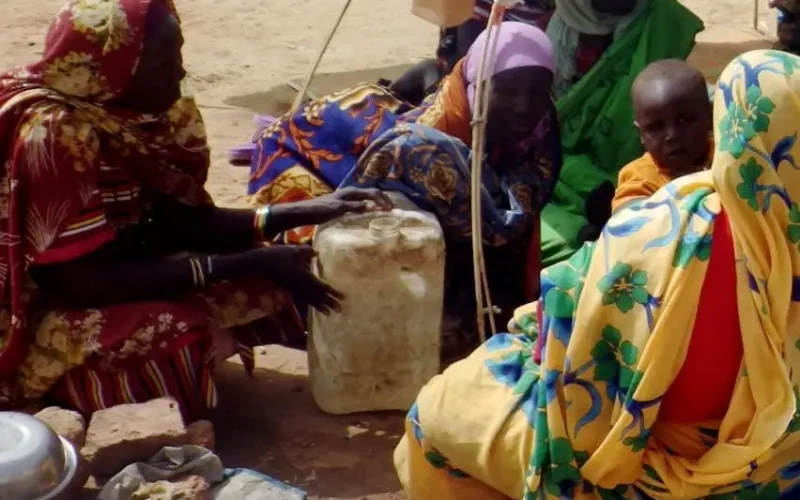
Conditions in arrival areas remain dire. Displaced families are sleeping in the open or under trees, with clean water, food and medicine nearly non-existent. Many families have gone days without eating, and health workers report rising malnutrition among children and pregnant women.
UNHCR has established protection desks in Tawila to provide counselling, family tracing and specialised support. The agency has provided post-exposure prophylaxis kits to health authorities to treat rape survivors and is dispatching household items and shelter materials from Port Sudan.
However, the humanitarian response remains severely underfunded. UNHCR has received only 35% of the resources required this year and is seeking $84.2 million to sustain operations into next year.
Sudan is experiencing the world’s largest displacement crisis, with nearly 12 million people forced from their homes within the country and across borders.
UNHCR joined widespread calls for an immediate cessation of attacks on civilians and safe passage for those fleeing. The agency urged all parties to uphold international humanitarian law and grant full humanitarian access to deliver life-saving assistance.